2026 Top Wire Harness Trends What Global Buyers Need to Know
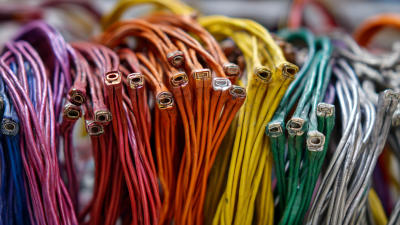
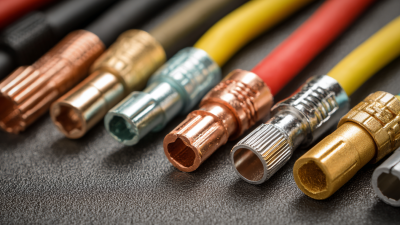
The wire harness industry is evolving rapidly. As we approach 2026, global buyers must stay informed about emerging trends. Wire harnesses, crucial in various sectors, serve as the backbone for electrical connectivity. They streamline operations and ensure reliable performance in automotive, aerospace, and industrial applications.
Recent innovations focus on miniaturization and enhanced durability. Lightweight materials are gaining traction, offering better efficiency. Manufacturers are also adopting advanced manufacturing techniques, improving production speed and quality. However, this rapid transformation sparks several challenges. It's essential for buyers to reflect on the implications for supply chain stability and product compatibility.
Reliable information is vital in this dynamic landscape. Understanding market trends aids in making informed purchasing decisions. Engaging with experts and attending industry conferences can provide valuable insights. As the wire harness industry grows, anticipation and adaptation remain key for all stakeholders.
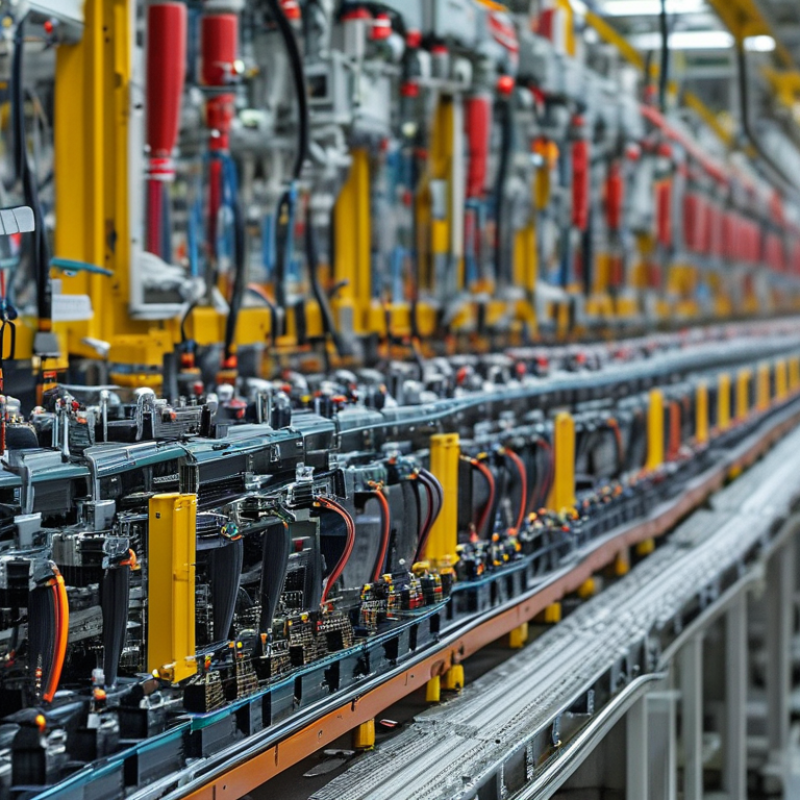
Emerging Technologies Impacting the Wire Harness Industry in 2026
Emerging technologies are reshaping the wire harness industry in 2026. The rise of electric vehicles (EVs) is one significant influence. These vehicles demand lighter, more efficient wire harnesses. Advanced materials such as aluminum and composites are essential. They enhance conductivity while reducing weight. This transition is crucial for improved performance and range.
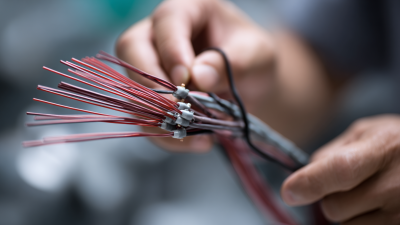
Another notable trend involves automation and smart manufacturing. Factories now use advanced robotics to fabricate wire harnesses with higher precision. Automation reduces human error and increases production speed. Yet, the technology requires skilled workers to manage and maintain the systems. This presents a challenge in an industry facing a skills gap.
Sustainability is also a critical focus in 2026. Environmental regulations push companies to adopt greener practices. Manufacturers are investing in recyclable materials and energy-efficient processes. However, transitioning to a sustainable model can be complex. Companies must evaluate costs and logistics. The need for innovation is clear. Balancing efficiency and sustainability remains an ongoing challenge for the industry.
Key Material Innovations Shaping Wire Harness Designs for Global Markets
Wire harness design is evolving rapidly. Innovations in materials are key to enhancing performance and meeting global demands. Lightweight composites are gaining traction. They reduce overall weight while maintaining strength. This makes them ideal for applications in automotive and aerospace industries.
Another trend is the adoption of sustainable materials. Manufacturers are exploring bioplastics and recyclable options. These materials not only help reduce environmental impact but also appeal to eco-conscious consumers. Companies need to balance functionality with sustainability.
Tips: Always consider compatibility. New materials must work seamlessly with existing components. Testing is crucial to ensure reliability. Stay updated with industry standards. Regulations can change, impacting material choices. Embracing innovation can set you apart, but it requires careful planning. Investing in training for your team can also enhance product development. This ensures everyone is aligned with the latest trends and techniques.
Sustainability Trends and Their Influence on Wire Harness Production
Sustainability is reshaping the wire harness industry. Manufacturers are now prioritizing eco-friendly materials. This approach is influencing design choices significantly. For example, bioplastic insulation is becoming popular. It reduces reliance on petroleum-based products. Such materials contribute to a lower carbon footprint.
Consumers are more eco-conscious than ever. Therefore, meeting their expectations is crucial for manufacturers. They must adapt to changing demands. This includes sourcing recyclable materials and reducing waste in production. Many companies are scrutinizing their supply chains. They aim to minimize environmental impact and ensure a sustainable operation.
Some challenges come with these trends. Not all sustainable materials perform as well as traditional options. Testing and adapting designs can be time-consuming. Manufacturers must balance eco-friendliness with performance and cost. Continuous innovation is necessary to overcome these hurdles. Embracing sustainability is a journey, not a destination.
Market Demands and Consumer Preferences Driving Wire Harness Changes
The wire harness industry is evolving rapidly, driven by market demands and consumer preferences. According to recent reports, the global wire harness market is projected to reach USD 97 billion by 2026, indicating a significant growth trajectory. The automotive sector remains a key player, with electric vehicles (EVs) leading the charge. EV manufacturers require advanced wire harnesses to support increased electrical systems and connectivity.
Consumer preferences are shifting towards smarter, more efficient solutions. Data suggests that 65% of consumers prioritize energy efficiency in vehicles. This trend propels manufacturers to innovate, enhancing wire harness designs for optimal performance. The push for lightweight materials is notable, as reducing weight is critical for improving fuel efficiency. Many designers are focusing on eco-friendly materials, reflecting a growing awareness of sustainability.
However, challenges persist. Supplier reliability and material costs remain concerns for manufacturers. Industry experts indicate that fluctuations in raw material pricing can impact production timelines. Additionally, maintaining quality while adapting to rapid technological advancements poses ongoing difficulties. Manufacturers must navigate these complexities to align with evolving consumer expectations and market dynamics effectively. Engaging with reliable data sources and industry insights will be essential for success.
Regulatory Standards and Compliance Considerations for Global Wire Harness Buyers
As global buyers navigate the complex landscape of wire harness products, regulatory standards and compliance considerations become paramount. The International Electrotechnical Commission (IEC) outlines crucial safety standards that manufacturers must follow. A recent report indicates that compliance can reduce product recalls by up to 30%. This statistic highlights the importance of adhering to regulatory requirements to ensure product safety and reliability.
Understanding local regulations is essential for global procurement. Different regions may have unique compliance metrics. For instance, the European Union’s RoHS directive restricts hazardous substances, impacting material choices. Buyers should be aware that failure to comply can lead to significant fines and market entry barriers. Additionally, manufacturers may face scrutiny during inspections. This poses risks for buyers relying on non-compliant products.
Moreover, it’s important to continually assess the evolving landscape of regulatory standards. Many buyers overlook the long-term implications of non-compliance. Regular training programs on compliance can help teams stay informed. Markets are adapting rapidly, and keeping up with these changes is crucial. Buyers need to critically evaluate their supply chains. This ensures alignment with regulatory standards while fostering trust and reliability in their procurement practices.
2026 Top Wire Harness Trends What Global Buyers Need to Know - Regulatory Standards and Compliance Considerations for Global Wire Harness Buyers
| Trend |
Description |
Implications for Buyers |
Regulatory Considerations |
| Increased Automation |
More manufacturers are adopting automated solutions in assembly processes. |
Buyers should ensure compatibility with automated systems. |
Compliance with safety and automation regulations is essential. |
| Sustainability Focus |
Growing emphasis on eco-friendly materials and processes. |
Buyers should seek suppliers with sustainable practices. |
Regulatory standards pertaining to environmental impact are becoming stricter. |
| Lightweight Materials |
Shift towards using lighter materials to enhance efficiency. |
Consider weight reduction in design and production processes. |
Adherence to material safety regulations is crucial. |
| Enhanced Connectivity |
Increasing demand for wire harnesses with advanced connectivity options. |
Buyers should evaluate the compatibility with digital solutions. |
Must comply with telecommunication regulations where applicable. |
| Customization Requests |
Rise in demand for customized solutions tailored to specific applications. |
Flexibility in procurement processes might be needed. |
Ensure all custom solutions meet relevant industry standards. |