What is Air Break Switchgear and Why is it Essential?
In the realm of electrical engineering, "Air Break Switchgear" stands as a vital component. Experts emphasize its importance in ensuring safety and reliability in power distribution. For instance, Dr. Emily Roberts, a renowned engineer in the field, stated, "Air Break Switchgear is crucial for managing operational risks in electrical systems."
This equipment serves to control and protect circuits. Air Break Switchgear operates by utilizing the air as an insulating medium. Its design allows for the interruption of current flow efficiently. Such capabilities make it indispensable in various industries, from manufacturing to energy distribution. Industries rely heavily on its effectiveness to prevent hazards.
Despite its benefits, there are challenges. Maintenance can be demanding, often requiring expert knowledge. Additionally, the initial costs can be a hurdle for some organizations. Yet, the overall reliability and safety it provides often outweigh these concerns. Ensuring proper implementation and maintenance is key to maximizing its benefits. This paradox highlights the need for continual learning and adaptation in using Air Break Switchgear effectively.
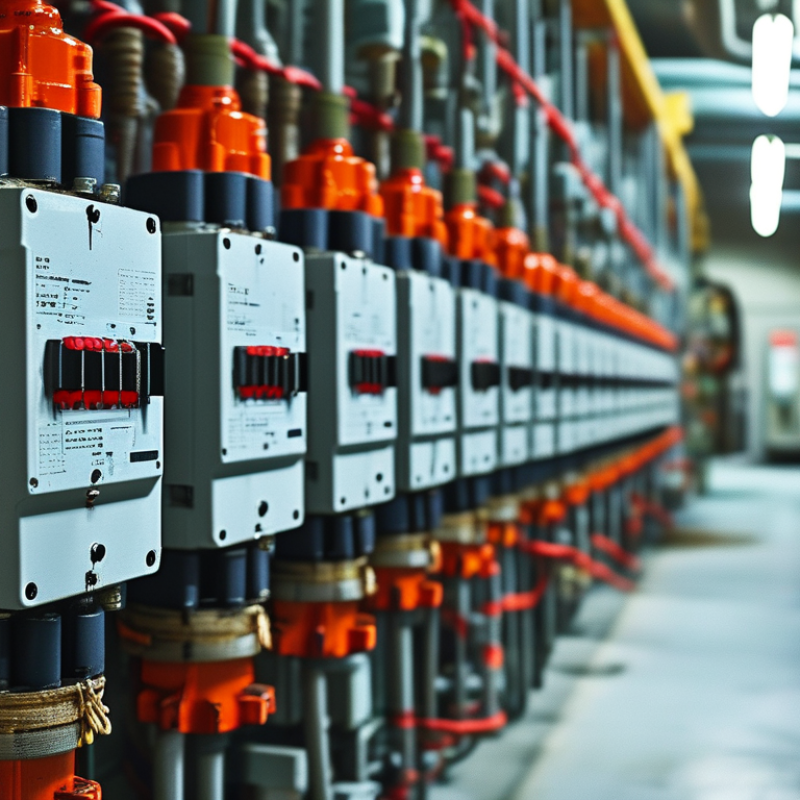
What is Air Break Switchgear: Definition and Components
Air break switchgear is a vital component in electrical distribution systems. It provides protection and control for various electrical circuits. This equipment is known for its air-insulated design and manual operation. Its primary function is to interrupt current flow during faults, ensuring the safety of electrical devices. According to recent industry reports, air break switchgear has an efficiency rating of over 95% in various applications.
Key components of air break switchgear include the isolator switch, circuit breaker, and the operating mechanism. Isolators ensure that the circuit is entirely disconnected for maintenance. The circuit breaker interrupts the flow of power during fault conditions. Additionally, various sensors often integrate into these systems for monitoring performance. In a study conducted by the Electrical Engineering Society, it was found that integrating advanced sensors can improve operational efficiency by 20%.
Tips: Regularly inspect the components of your switchgear. Look for signs of wear or damage, as these can lead to operational failure. Ensure that all connections are secure to avoid unexpected interruptions.
The design of air break switchgear allows easy access during maintenance. However, it can pose risks if not handled properly. Training for personnel in safe operation and maintenance practices is critical. Be aware that improper handling may lead to equipment damage or safety hazards.
What is Air Break Switchgear and Why is it Essential?
| Component | Function | Importance | Typical Applications |
| Air Break Switch | Disconnects power during maintenance | Ensures safety by interrupting current flow | Distribution networks, industrial plants |
| Operating Mechanism | Controls the opening and closing of the switch | Provides reliable operation of the switchgear | Power lines, substations |
| Insulators | Provides electrical insulation | Prevents electrical leakage and ensures safety | High-voltage applications |
| Operating Rod | Transmits mechanical movement | Facilitates accurate control of the switch | Manual control systems |
| Chamber | Houses the main components of the switchgear | Protects components from environmental factors | Indoor and outdoor installations |
Key Advantages of Air Break Switchgear in Modern Electrical Systems
Air Break Switchgear plays a pivotal role in modern electrical systems. It offers distinct advantages over traditional switchgear. One major advantage is its ability to handle high fault currents. According to industry reports, air break switchgear can manage up to 15 kV, making it reliable for various applications.
These systems are known for their robustness and durability. They require minimal maintenance compared to oil-filled alternatives. Maintenance reports indicate that air break switchgear units have a failure rate of less than 2%. This reliability is crucial for minimizing downtime in industrial settings.
Tip: Regular inspections can enhance the lifespan of air break switchgear. Look for signs of wear or corrosion.
Another key advantage is the improved safety they provide. Air break switchgear operates with open-air interruptions, reducing the risks associated with oil or gas-filled units. This can result in safer working conditions for technicians, as electrical hazards are minimized.
Tip: Ensure that employees are trained in safety protocols when working with switchgear.
Cost-efficiency is also a notable benefit. Initial investments may seem higher, but long-term operational costs are lower. This is largely due to reduced maintenance needs and energy savings. Many organizations have seen a return on investment in less than five years.
Tip: Evaluate total cost of ownership rather than just upfront costs.
Application Areas of Air Break Switchgear in Power Distribution Network
Air Break Switchgear plays a critical role in power distribution networks. Its primary function is to provide reliable control and protection for electrical circuits. This switchgear is commonly used in substations and distribution stations, where safety and efficiency are paramount. The air insulation design allows it to operate effectively under various environmental conditions.
In urban areas, Air Break Switchgear is essential for managing power loads in residential zones. It ensures safe connections and disconnections of power lines, preventing overload and electrical faults. In industrial settings, it helps facilitate a stable power supply to heavy machinery. The switchgear also finds application in renewable energy systems, supporting the grid's integration with solar and wind power.
Despite its advantages, users must consider the limitations of Air Break Switchgear. The exposed contacts can lead to wear over time, requiring regular maintenance. Additionally, in harsh weather conditions, performance can be impacted. Users should reflect on these factors to ensure that this crucial component meets their needs effectively.
Operational Safety Standards and Maintenance Practices for Air Break Switchgear
Air break switchgear plays a crucial role in electrical systems. It enhances operational safety while the maintenance practices ensure reliable performance. Regular inspection of components is vital. A common risk is the accumulation of dust and moisture. These can compromise the mechanisms. Maintenance schedules should include thorough cleaning to avoid potential hazards.
Operational safety standards are not merely suggestions; they are essential guidelines. Adhering to manufacturer recommendations is important. Training staff on safety protocols can reduce accidents. Regular drills may enhance the team's preparedness for emergencies. However, gaps in knowledge may exist, highlighting the need for ongoing education.
Documentation of maintenance activities can be overlooked. This practice is essential for tracking performance and identifying recurring issues. An absence of records may lead to repeated failures. Teams should strive for a systematic approach to maintenance. Continuous improvement is key to ensuring the longevity and safety of air break switchgear.
Air Break Switchgear Operational Safety Standards
This bar chart illustrates key operational metrics related to Air Break Switchgear. The data showcases the adherence to safety standards, frequency of maintenance conducted monthly, percentage of inspections passing quality checks, and completion rates of training programs. These factors are vital for ensuring the effective and safe operation of switchgear systems.
Market Trends and Future Developments in Air Break Switchgear Technology
Air Break Switchgear technology is evolving rapidly, driven by market demands and advancements. The growing focus on renewable energy sources is a major influence. By enhancing operational efficiency and safety, air break switchgear is becoming indispensable in modern electrical systems. As industries shift towards cleaner energy, these systems are designed to handle increased loads.
Innovations are not just about performance; they also aim for sustainability. New materials are being developed to reduce environmental impact. Smart technology integration allows for better monitoring and maintenance of the switchgear. Yet, challenges exist. The transition requires significant investment and skilled workforce training. Not every facility can adapt quickly.
Market trends indicate a rising demand for energy-efficient solutions. Regulatory pressures are pushing manufacturers toward greener options. However, the pace of change can be uneven. Some sectors lag behind, struggling to implement new technologies. The future of air break switchgear lies in addressing these gaps while embracing innovation. The journey is complex, and not without its hurdles.