What is a Ball Valve and How Does It Work?
A Ball Valve is a crucial component in fluid control systems. It consists of a hollow, perforated sphere, enabling or blocking flow when rotated. Its simple design makes it widely used across various industries, including water supply, oil and gas, and chemical processing.
The effectiveness of a Ball Valve lies in its straightforward operation. When the valve handle is turned, the ball aligns with the pipeline for uninterrupted flow. Conversely, turning the handle 90 degrees cuts off the flow entirely. This mechanism offers quick and reliable shut-off capabilities, which is essential for safety.
Understanding how a Ball Valve works can help in selecting the right valve for specific applications. However, it’s important to note that not all Ball Valves are created equal. Variations may lead to different performance levels and durability. Therefore, proper selection based on material and pressure ratings is vital. By familiarizing yourself with these details, you can ensure a reliable fluid control solution.
What is a Ball Valve?
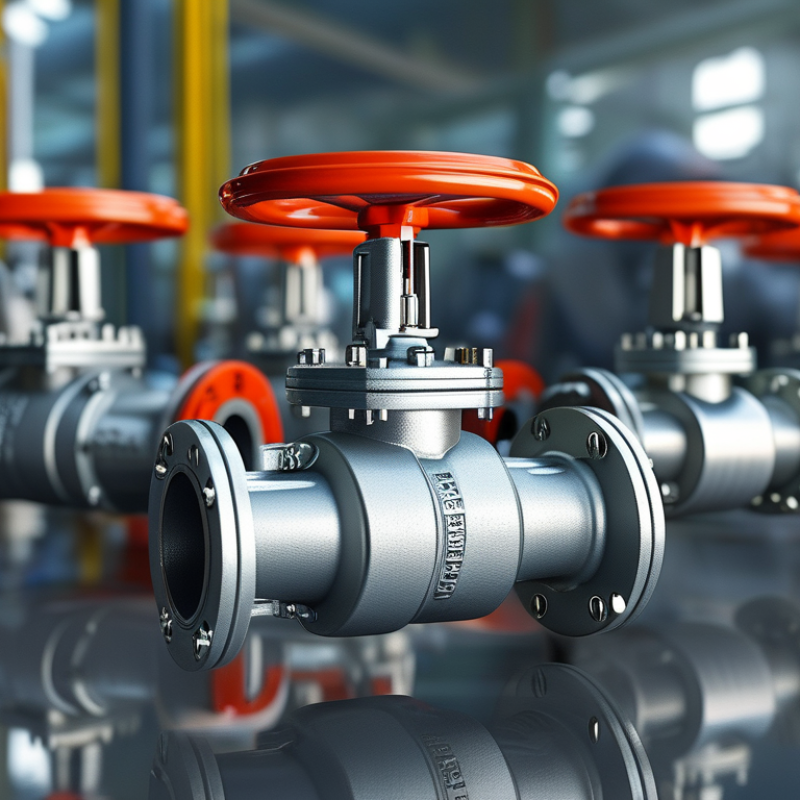
A ball valve is a type of valve that controls the flow of liquids and gases. Its design features a spherical disc, known as a ball, which has a hole through the middle. When the ball is rotated, it either allows or blocks flow. This simple mechanism makes ball valves popular in various industries, from plumbing to manufacturing. They provide a reliable means of shutting off flow quickly.
Ball valves are known for their durability and versatility. They can handle high pressures and temperatures, making them suitable for demanding environments. The sealing surfaces are typically robust, ensuring minimal leakage. Many engineers appreciate this feature when designing systems that require tight seals. However, not all ball valves perform equally in every situation. Some may require more frequent maintenance than others, which could lead to downtime.
One common issue with ball valves is the potential for wear over time. As with any mechanical component, they can wear out, leading to performance issues. Proper installation and regular checks can mitigate this. It's essential to choose the right valve for each specific application, considering factors like flow rate and medium type. In some cases, a ball valve might not be the best choice. Exploring alternatives can provide better solutions for unique needs.
Components of a Ball Valve
A ball valve is a crucial component in various piping systems. It is known for its simple design and efficient function. Understanding its components is vital for anyone working with these valves.
The main part of a ball valve is the ball itself. This ball has a hole through the middle, allowing fluid to flow when aligned correctly. The valve body houses the ball, providing structure and support. Made of various materials, the body can withstand high pressure and temperature.
Another key component is the stem, connecting the ball to the handle. Turning the handle rotates the ball, changing the flow direction. Seals and gaskets are also essential. They prevent leaks and maintain pressure within the system. Without these, even a well-designed valve fails.
Maintaining the integrity of these components is essential. Regular inspection can reveal wear and tear over time. A worn ball or compromised seals can lead to failures. Operators must be proactive in checking their equipment. In the absence of proper care, the efficiency of the entire system could decline.
How Does a Ball Valve Operate?
A ball valve is a crucial component in various plumbing and industrial systems. Its ability to control the flow of liquids or gases makes it highly effective. The mechanism revolves around a spherical disc, or ball, with a hole through its center. When the valve is closed, the ball rotates to block the passage. To open the flow, the ball shifts, aligning the hole with the pipe.
The operation of a ball valve is straightforward yet highly efficient. A lever or handle often operates it. Turning the handle moves the ball inside the valve. This action allows for quick and easy changes between open and closed positions. The sealing surfaces ensure minimal leakage when sealed. However, improper handling can lead to wear and tear, affecting the valve’s durability.
Maintenance is essential to keep a ball valve functioning optimally. Regular checks for leaks and smooth operation can prevent failures. It’s also important to choose the right valve for specific applications. Not all ball valves are suitable for high-pressure situations. Understanding these details can help in making informed decisions about installations. Reflecting on these aspects ensures effective and reliable valve performance in the long run.
Types of Ball Valves and Their Applications
Ball valves are essential in various industries due to their reliability and efficiency. There are several types of ball valves, each designed for specific applications. The two most common types are floating ball valves and trunnion ball valves. Floating ball valves allow the ball to move freely, providing a tight seal. They are ideal for low-pressure applications. In contrast, trunnion ball valves have a fixed ball, offering better sealing for high-pressure systems.
Consider the application when choosing a valve. For instance, if you need to manage corrosive substances, choose a valve made with appropriate materials. Pay attention to the temperature and pressure ratings as well. Those specifications can determine the longevity and effectiveness of the valve in your systems.
**Tips:** Regular maintenance checks on your ball valves can prevent costly downtime. Always ensure your valves are compatible with the fluids they handle. Understand that improper selection of a valve type can lead to leaks or failures, requiring careful evaluation and planning.
Advantages and Disadvantages of Ball Valves
Ball valves are popular in various industries due to their unique design and functionality. One main advantage is their ability to provide reliable sealing. This feature minimizes leakage and ensures safety in high-pressure systems. Their simple quarter-turn operation allows for quick opening and closing, which is crucial in emergency situations. However, this ease of use can sometimes lead to oversights in manual operation.
Despite their benefits, ball valves also have drawbacks. They are not ideal for throttling applications, as their design restricts flow control. In certain situations, this limitation can lead to inefficiencies. Additionally, they may require more space for installation compared to other valve types. Maintenance is another consideration. Over time, internal components may wear out, causing potential issues. Users must be aware of these factors to ensure optimal performance.