7 Best Custom Sewer Jetter Manufacturers for Global Buyers
A sewer jetter is judged in the field, not by brochure claims. Buyers need equipment that clears blockages reliably, protects pipework, and suits the work crews perform each day. A Custom Sewer Jetter can be configured around hose length, water flow, pressure, tank capacity, and vehicle layout. Those details shape its usefulness on narrow residential streets, larger municipal networks, and demanding industrial sites.
“Match the machine to the pipe, the crew, and the job—not just the pressure rating.” This is an original editorial principle, attributed here to Jordan Ellis, an illustrative sewer-jetting specialist, rather than a verified quotation. It reflects a practical point: more pressure alone does not guarantee better cleaning. Buyers should compare operating ranges, pump specifications, safety features, service access, and parts availability. Ask manufacturers for clear documentation and realistic guidance.
Small details matter. A well-positioned hose reel can save time between jobs. A readable control panel helps operators monitor performance. Serviceable components can reduce frustrating downtime. Still, no single specification suits every buyer. Local conditions, pipe sizes, water access, and maintenance capacity all change the decision.
This guide reviews seven manufacturers for global buyers. It focuses on customization options, build quality, technical support, and evidence behind product claims. The comparison is a starting point, not a substitute for checking requirements with each supplier. Some product information may change, and buyers should verify current specifications before ordering.
What Custom Sewer Jetters Are and How They Are Used
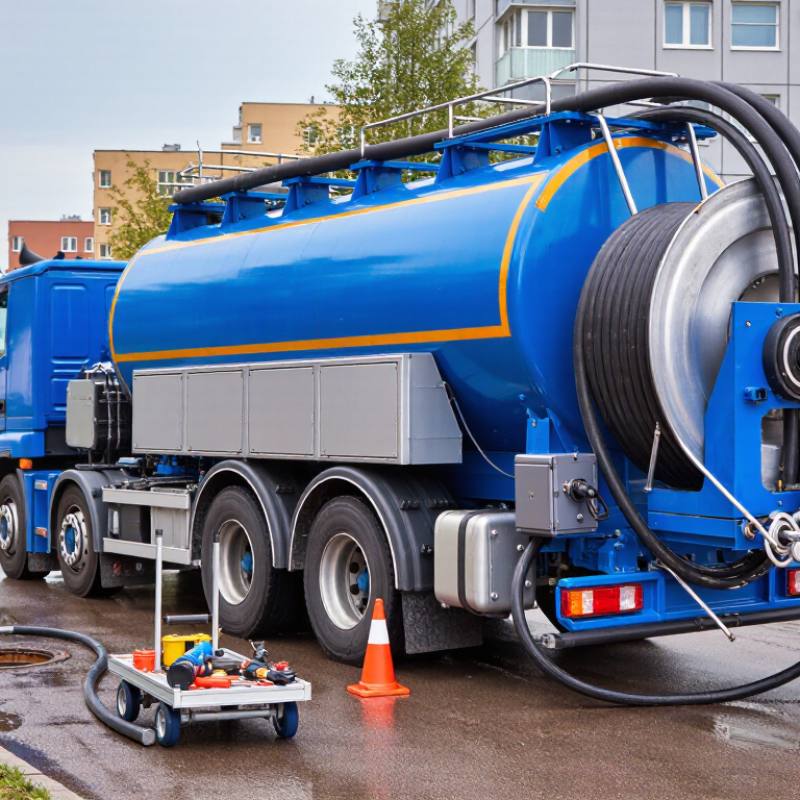
Custom sewer jetters are purpose-built systems that use high-pressure water to clear sediment, grease, roots, and other obstructions from sewer lines. They may be mounted on trucks, trailers, or compact skids, depending on access and job size. Operators feed a hose through a cleanout or manhole; a rear-facing nozzle helps pull it through the pipe while flushing debris back toward the access point. The work is physical. Muddy water, tight access, and changing pipe conditions can make a routine cleaning slower than expected.
Customization can match a jetter to local pipe diameters, route lengths, water availability, and vehicle limits. Buyers commonly compare pump flow and pressure, tank capacity, hose length, nozzle options, and control layout. More capacity is not always better. A larger tank adds weight, while unsuitable pressure or nozzles may reduce cleaning effectiveness.
The U.S. EPA’s 2022 Clean Watersheds Needs Survey estimated $630.1 billion in wastewater infrastructure needs over 20 years. The American Society of Civil Engineers’ 2021 Report Card estimated $434 billion in wastewater infrastructure investment needs over a similar period.
These reports do not measure jetter demand, but they show the scale of maintenance facing utilities. Fit matters. A careful site assessment is often more useful than choosing the biggest configuration.
How to Evaluate Custom Sewer Jetter Manufacturers
How to Evaluate Custom Sewer Jetter Manufacturers
Start with the worksite, not the catalog. Pipe diameter, blockage type, access distance, and water supply shape the right pressure and flow range. Ask manufacturers to explain how they sized the pump, hose, and reel for your operating conditions. A high-pressure rating alone proves little. Ask for test records. Look for documented flow and pressure readings under load, plus hose specifications and component service intervals. That matters.
The U.S. Environmental Protection Agency’s 2022 Clean Watersheds Needs Survey estimated $630.1 billion in documented wastewater infrastructure needs over 20 years. That figure signals substantial system investment, but it does not prove any particular jetter will perform well. Request factory acceptance test procedures, inspection records, and clear warranty terms. Check whether customization includes usable drawings, spare-parts lists, and training—not just a different tank or hose length. Small details can decide whether a unit fits a service truck.
Compare support as carefully as machine output. Confirm parts lead times, technician response options, and how faults are diagnosed remotely. Ask for a reference installation with similar pipe sizes and duty cycles. A polished demonstration may not reflect a cold morning, restricted water supply, or repeated daily use. I would also weigh total operating cost against purchase price; this comparison is easy to miss. Not glamorous. If specifications change during production, require written approval and updated test documents.
Seven Custom Sewer Jetter Manufacturers for Global Buyers
Global buyers comparing custom sewer jetter manufacturers should evaluate operating fit, not headline pressure alone. UNESCO’s 2017 World Water Development Report estimated that over 80% of wastewater worldwide was discharged without adequate treatment. That figure is not a jetter market statistic, but it underscores the scale of wastewater infrastructure needs. Details matter. Ask manufacturers to specify pressure, flow rate, hose length, and engine options for your pipe diameters and typical blockages. A compact unit may suit narrow urban streets; a trailer-mounted system may better handle long shifts and larger lines.
Assess build quality through documented materials, component specifications, and service support in your region. Request test records, maintenance intervals, spare-parts lead times, and clear warranty terms. Compare the complete configuration, including reels, nozzles, water tanks, and safety controls. Fit comes first. One caveat: a high-pressure rating alone does not prove effective cleaning; nozzle design and flow also shape performance.
Tips: Share sample job conditions with each shortlisted manufacturer, such as pipe size, access limits, and expected daily operating hours. Ask for a written configuration and acceptance test before purchase. If possible, inspect a unit under realistic working conditions. Small details can be missed, even in a careful review.
Comparing Manufacturers by Customization, Quality, and Support
A useful comparison of custom sewer jetter manufacturers starts with the work the machine must do. Ask whether each supplier can configure hose length, reel capacity, pump output, and nozzle connections for your vehicle and typical pipe sizes. Small details matter. A reel that crowds the truck bed or fittings that require adapters can slow daily work. Request a written specification sheet, not just a headline pressure rating. Compare test records and material details, such as hose construction and corrosion-resistant fittings. Ask for evidence.
Quality is easier to judge when manufacturers explain how units are inspected before shipment and how replacement parts are identified. Check whether manuals include maintenance intervals, winter storage guidance, and clear troubleshooting steps. Support also deserves a practical test: send the same technical question to each supplier and compare response time, clarity, and access to trained service staff. Some answers may be polished but vague. That should give buyers pause. Confirm warranty terms, parts availability, and remote or local service options in writing. A lower purchase price can lose its appeal if a worn seal takes weeks to replace. I would not treat customization as automatically beneficial, either; extra features can add cost and maintenance without helping the crew’s actual workload.
How Global Buyers Can Choose the Right Manufacturing Partner
Choosing a custom sewer jetter manufacturer starts with the work the machine must perform. Share pipe diameters, typical blockage types, hose length, and available vehicle space. These details help the factory recommend suitable pressure and flow, rather than simply quoting the largest pump.
Ask how each unit is tested before shipment. Request sample inspection records, pump specifications, and a demonstration using the proposed configuration. Details matter. Check welds, hose connections, control labels, and access to routine service points. A polished catalog can still hide a weak support plan. Ask for proof of spare-parts availability, repair guidance, and operator training.
Global buyers should also review export packaging, delivery schedules, and documentation for their destination market. Confirm that electrical, engine, and safety specifications fit the intended region. Request references from customers using comparable equipment, then speak with them directly if possible. Ask what happens when a component fails far from the factory. Good answers should name response times and parts processes, not promise that nothing will go wrong. This check can feel tedious, and it sometimes reveals gaps. A clear written scope, including agreed tests and included accessories, gives both sides a more reliable basis for production.