7 Best Dismantling Joint Manufacturers for Global Buyers?
Reliable pipe connections are becoming more important as water infrastructure expands worldwide. The WHO and UNICEF Joint Monitoring Programme reported that 2.2 billion people lacked safely managed drinking water in 2022. That gap creates continuous demand for dependable repair and connection components.
A Dismantling Joint can simplify valve removal, flange alignment, and maintenance inside crowded treatment plants. However, product quality varies significantly between manufacturers. Grand View Research estimates the global water and wastewater treatment market reached approximately USD 281.75 billion in 2023. Its projected growth reinforces the need for traceable, durable pipeline hardware.
This guide introduces seven Dismantling Joint manufacturers for global buyers. The comparison considers engineering experience, manufacturing capacity, material traceability, coating systems, pressure testing, and international certifications. It also examines practical details, including flange drilling, allowable adjustment, gasket performance, bolt protection, and compatibility with ductile iron or steel pipelines.
Standards matter.
Relevant references may include EN 545, ISO 2531, EN 1092-2, AWWA C219, and project-specific specifications. Yet certification alone cannot guarantee reliable field performance. Installation quality, soil conditions, corrosion exposure, and maintenance practices still influence service life. That point is easy to overlook.
The ranking should not be treated as universal. A manufacturer with strong European approvals may not offer the best local inventory in Africa, Asia, or Latin America. Buyers should verify current certificates, test records, delivery capability, warranty terms, and references from comparable projects. Some suppliers publish impressive figures, but independent verification remains necessary. This review provides a practical starting point, not a substitute for technical due diligence.
What Is a Dismantling Joint and How Does It Work?
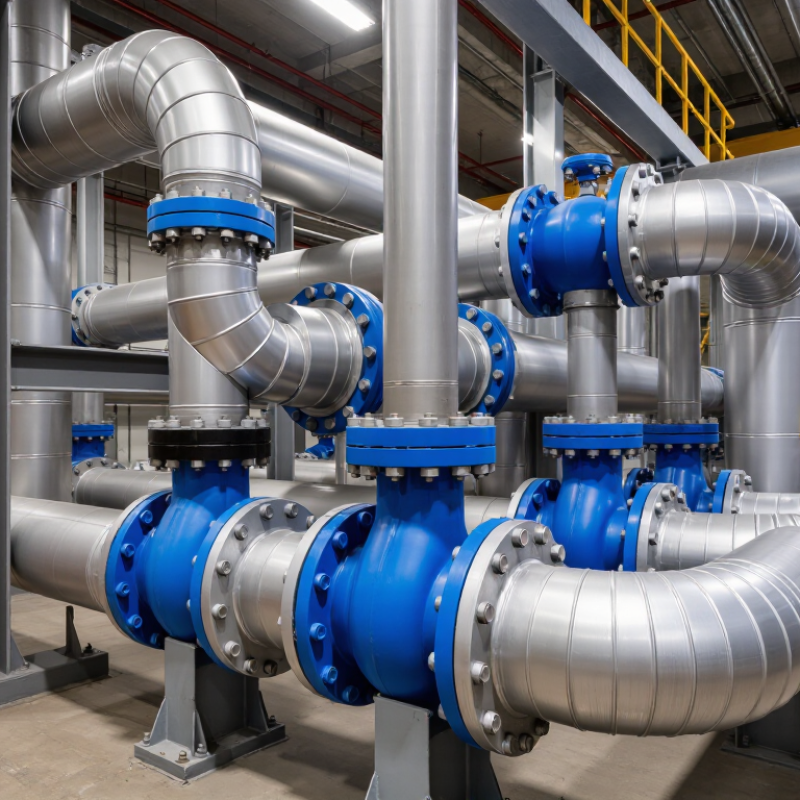
A dismantling joint is a telescopic pipe connection installed between two flanged components. It allows engineers to assemble, align, and remove valves, pumps, meters, or pipe sections without cutting the pipeline. Its adjustable center section creates working space. Tie rods or restrained bolts then transfer axial forces through the joint.
During installation, the joint is extended to meet the mating flanges. Workers position the gasket, tighten bolts in a cross pattern, and check flange alignment. During removal, they loosen the hardware and contract the body. The connected equipment can then move away with less disruption. It is not an expansion joint. It should not absorb repeated thermal movement unless specifically designed for that duty.
The need is substantial. The US EPA’s 2023 7th Drinking Water Infrastructure Needs Survey estimated $625 billion in drinking-water investment needs over 20 years. The UN World Water Development Report 2024 also reported that 2.2 billion people lacked safely managed drinking water in 2022. These pressures make maintainable connections more important, especially in crowded valve chambers.
For global buyers, verify pressure rating, flange drilling, material traceability, coating system, gasket compatibility, and corrosion protection. EN 14525 and related regional specifications can support technical comparison, but project requirements still control. I would not select by price alone. A poorly matched joint may fit on paper, yet fail during removal because of limited travel, inaccurate dimensions, or seized fasteners. Small installation details matter.
Key Standards for Evaluating Dismantling Joint Manufacturers
For global buyers, a dismantling joint manufacturer should be judged by evidence, not polished brochures. The WHO/UNICEF Joint Monitoring Programme reported that 2.2 billion people lacked safely managed drinking water in 2022. Reliable pipeline connections therefore matter beyond routine maintenance. Ask whether the manufacturer follows ISO 2531, EN 545, or AWWA C219 requirements where applicable. These standards help verify dimensions, pressure performance, materials, and joint compatibility.
Inspect the steel grade, sealing material, bolt protection, and corrosion-resistant coating. Request hydrostatic test records, batch numbers, and third-party inspection reports. A strong supplier should explain pressure classes clearly, including PN10, PN16, or higher-rated options. It should also provide installation drawings with bolt-tightening sequences. Small omissions can create expensive site delays. Very expensive delays.
The Global Water Intelligence Global Water Market 2024 report highlights continuing investment in water infrastructure, but investment does not guarantee manufacturing quality. Evaluate production capacity, quality-control equipment, export packaging, and replacement-part availability. Check whether the factory performs dimensional checks on every batch or only samples. A neat certificate file can still hide a weak gasket. Factory audits, reference projects, and traceable nonconformance records provide stronger proof. Buyer judgment remains imperfect, especially when suppliers present similar test documents.
7 Best Dismantling Joint Manufacturers for Global Buyers?
Key Standards for Evaluating Dismantling Joint Manufacturers
The chart shows common EN 1092-2 nominal pressure designations used for flanged pipeline connections: PN10, PN16, PN25, and PN40. Global buyers should confirm that a dismantling joint's body, flange drilling, gasket, bolts, coating system, and pressure rating are compatible with the selected pipeline standard. Product documentation should also be checked against relevant requirements such as EN 545, ISO 2531, ISO 9001, and project-specific testing specifications.
Seven Leading Dismantling Joint Manufacturers for Global Buyers
Seven Leading Dismantling Joint Manufacturers for Global Buyers
For global buyers, seven manufacturer profiles deserve careful attention. The first combines design engineering with flexible flange drilling for unusual pipe layouts. The second specializes in ductile iron bodies, offering strong performance for municipal water networks. The third focuses on fabricated carbon steel joints for large diameters and demanding pressure conditions.
The fourth stands out for advanced fusion-bonded epoxy or paint protection in humid environments. The fifth serves infrastructure contractors with standardized sizes, replacement parts, and stable production schedules. The sixth provides export-ready packaging, clear identification marks, and accurate shipping documents. The seventh maintains disciplined quality control, including dimensional inspection, coating checks, material traceability, and hydrostatic testing. These details matter. A low price can hide weak threads, uneven coatings, or poor gasket seating.
Tips: Ask for a recent inspection report, material certificate, pressure rating, flange standard, and coating specification. Confirm whether tie rods, nuts, gaskets, and washers are included. Request drawings before production. Check lead time realistically, not optimistically. I have seen purchasing teams overlook bolt length and installation clearance. That mistake creates delays on site. No shortlist is perfect. Buyers should compare test evidence, communication quality, customization ability, and after-sales support before selecting a supplier.
How to Compare Product Quality, Materials, and Customization Options
Choosing among seven dismantling joint manufacturers requires more than comparing prices. Product quality appears in flange flatness, bolt-hole alignment, gasket seating, and coating consistency. Request dimensional drawings, pressure-test records, and material certificates before making a shortlist. A reliable supplier should explain test methods, inspection frequency, and traceability for each batch.
Material selection affects service life. Ductile iron suits many water infrastructure projects, while stainless steel may perform better in corrosive environments. Check the joint body, flanges, bolts, sealing rings, and coatings separately. They may use different grades. Confirm compatibility with pipe material, operating pressure, temperature, and local water conditions. A thick coating looks reassuring, but poor surface preparation can cause early peeling. This detail is easy to miss.
Tips: Ask for one sample assembly. Measure its length, bolt alignment, and sealing compression. Compare the drawing with the delivered piece. Discuss custom lengths, flange standards, bolt grades, coatings, and marking requirements in writing. Also ask how rejected parts are controlled. Good documentation matters.
Customization should solve installation problems, not simply add features. Manufacturers with engineering support can adjust face-to-face dimensions, drilling patterns, and corrosion protection. However, custom work may increase lead time and inspection needs. Do not assume every modification is beneficial. A cheaper joint can become expensive after field adjustments, though this risk is often underestimated. Include spare seals and replacement hardware in the purchasing plan.
What Global Buyers Should Check Before Placing an Order
Before ordering a dismantling joint, global buyers should verify more than catalog dimensions. I have seen projects delayed because a DN size matched, but the flange drilling did not. Request a controlled drawing showing body length, flange standard, bolt pattern, adjustment range, and pressure rating. Ask which measurements are actually inspected. Small gaps matter.
Material records should identify ductile iron or steel grades, coating systems, gasket compounds, and fastener protection. Require heat numbers or batch traceability where appropriate. A reliable manufacturer should provide test reports, dimensional records, and certificates for the destination market. Check whether testing covers hydrostatic pressure, leakage, coating thickness, and assembly performance. Do not accept vague phrases like “international quality.” Name the standard and revision.
Production capacity needs practical proof. Ask for lead time by quantity, inspection stages, packaging photos, spare seals, and replacement procedures. Confirm who handles export documents and technical questions after shipment. I once prioritized a low quotation and underestimated inland transport, crating, and port delays. That was avoidable. Price still matters, but landed cost matters more. An independent pre-shipment inspection can reveal uneven coating, poor thread protection, or mislabeled cartons. Keep approved drawings and inspection points in the purchase contract. Do not rely on a friendly call. Written details protect both sides.