Top Electronic Cables for Global Buyers Which Type Is Best?
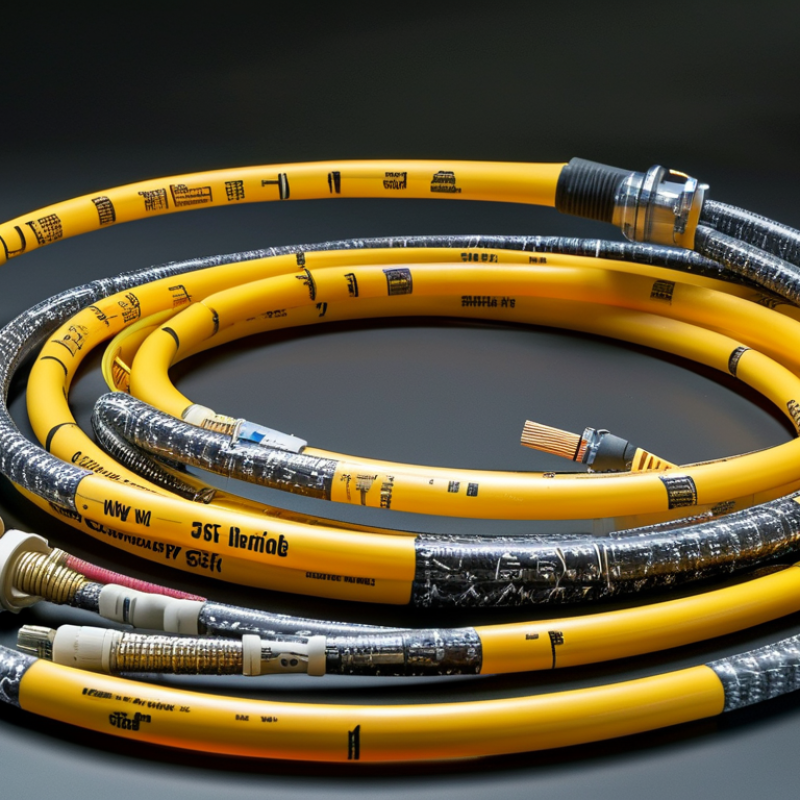
Choosing the right electronic cables is rarely a simple matter of comparing price, length, and connector style. Global buyers must match each cable to its working environment, electrical load, installation method, and expected service life. A flexible silicone cable may perform well beside a hot motor, while a shielded twisted-pair cable can better control signal interference in industrial equipment. Small differences matter.
Real procurement decisions often reveal hidden risks. A cable may pass a basic continuity test yet fail after repeated bending, oil exposure, or temperature changes. I have seen specifications overlook bend radius, conductor material, shielding coverage, and flame performance. That mistake can cause unstable signals, costly replacement work, and delayed production. It is not always the cheapest option.
This guide compares common electronic cables, including PVC, XLPE, silicone, coaxial, ribbon, twisted-pair, and shielded designs. It explains where each type fits and where it may disappoint. Technical factors such as voltage rating, impedance, attenuation, operating temperature, mechanical strength, and connector compatibility deserve close attention. Reliable suppliers should provide clear datasheets, consistent batch records, test reports, and traceable quality controls. Buyers should also verify relevant IEC, UL, RoHS, or regional requirements for the intended market. Certification alone is not enough. Installation conditions still matter.
The best cable is application-specific, not universally superior. A laboratory prototype, factory robot, medical device, and outdoor control cabinet may require entirely different constructions. Careful selection reduces technical uncertainty and supports safer, longer-lasting systems. Mistakes remain possible, especially when specifications are incomplete, so every recommendation should be checked against real operating conditions.
How Are Electronic Cables Classified Under IEC 60227 and IEC 60245?
Top Electronic Cables for Global Buyers: Which Type Is Best?
Under IEC 60227, electronic cables use PVC insulation and typically support rated voltages up to 450/750 V. They are commonly selected for fixed wiring, internal equipment connections, and light-duty flexible applications. The classification reflects conductor flexibility, insulation thickness, sheath construction, and intended installation. A rigid single-core cable suits a control cabinet. A flexible cord works better beside a moving appliance. PVC is practical and economical, but high heat, oil, and repeated bending can shorten its service life.
IEC 60245 covers rubber-insulated cables, also commonly rated up to 450/750 V. Its cable families include flexible cords, tough-sheathed cables, heat-resistant designs, and cables for demanding mechanical environments. Rubber compounds usually provide better flexibility and impact resistance than standard PVC. However, the result depends on the exact construction and temperature rating. Do not choose by “rubber” alone. Check the printed designation, conductor class, rated voltage, temperature range, and test requirements.
In real purchasing work, mistakes often come from matching voltage while ignoring movement. I have seen specifications that looked correct but failed to mention bending cycles or outdoor exposure. That omission matters. IEC classification is a starting point, not a complete application decision. Buyers should compare the cable marking with the applicable IEC edition and local approval requirements. Test certificates, traceable batch records, and clear cross-sectional measurements strengthen supplier reliability. A cable may pass a basic classification yet remain unsuitable for a hot, wet, or constantly moving installation.
Top Electronic Cables for Global Buyers: Which Type Is Best? — How Are Electronic Cables Classified Under IEC 60227 and IEC 60245?
| IEC Standard | Common Cable Family | Typical Designation | Insulation / Sheath | Rated Voltage | Conductor Construction | Flexibility | Typical Application | Best Choice When |
|---|---|---|---|---|---|---|---|---|
| IEC 60227 | Single-core PVC insulated cable without sheath | 60227 IEC 01 | PVC insulation; no outer sheath | Solid or stranded copper, depending on the applicable type and conductor class | Usually moderate; not intended for repeated flexing unless specifically designed for it | Fixed wiring in appliances, control panels, conduit and distribution equipment | A cost-effective single-core cable is required for protected fixed installation | |
| IEC 60227 | Single-core flexible PVC insulated cable without sheath | 60227 IEC 02 | Flexible PVC insulation; no outer sheath | Flexible stranded copper conductor | High compared with solid-conductor PVC types | Internal wiring of electrical equipment, control cabinets and light-duty appliance connections | Easy routing and termination are more important than mechanical protection | |
| IEC 60227 | Light-duty PVC sheathed flexible cable | 60227 IEC 52 | PVC insulation with light PVC sheath | Flexible stranded copper conductors | Flexible for light-duty service | Small household appliances and light portable equipment used in relatively low-stress conditions | Low-voltage indoor equipment needs a compact, flexible sheathed cable | |
| IEC 60227 | Ordinary-duty PVC sheathed flexible cable | 60227 IEC 53 | PVC insulation with PVC sheath | Flexible stranded copper conductors | Flexible; suitable for ordinary movement, not severe mechanical abuse | Portable tools, domestic appliances and general indoor electrical equipment | A general-purpose PVC flexible cable is needed for indoor portable equipment | |
| IEC 60227 | Heat-resistant PVC insulated cable | 60227 IEC 07 / 08 | Heat-resistant PVC insulation; some types include a sheath | Solid or flexible copper conductor, depending on the type | From moderate to flexible, depending on construction | Internal wiring where the specified PVC compound is suitable for elevated operating temperatures | The equipment design requires a heat-resistant PVC construction rather than standard PVC | |
| IEC 60245 | Ordinary-duty rubber sheathed flexible cable | 60245 IEC 53 | Rubber insulation with rubber sheath | Flexible stranded copper conductors | Flexible for ordinary portable service | Portable equipment and appliances where rubber flexibility is beneficial | Better flexibility and toughness than a comparable light-duty PVC cable are required | |
| IEC 60245 | Ordinary-duty rubber sheathed flexible cable | 60245 IEC 57 | Rubber insulation with rubber sheath | Flexible stranded copper conductors | Flexible for general portable applications | Portable electrical equipment requiring a rubber-sheathed cable construction | Rubber sheathing is preferred for flexibility and improved resistance to handling | |
| IEC 60245 | Heavy-duty rubber sheathed cable | 60245 IEC 66 | Heavy-duty rubber insulation and sheath | Flexible stranded copper conductors | Highly flexible and suitable for demanding portable service | Heavy portable equipment, construction equipment, industrial tools and outdoor temporary connections | Higher mechanical stress, frequent handling or more demanding site conditions are expected | |
| IEC 60245 | Neoprene or equivalent elastomer-sheathed flexible cable | 60245 IEC 66 family | Rubber insulation with robust elastomeric outer sheath | Flexible stranded copper conductors | High flexibility with improved resistance to abrasion and handling | Industrial and outdoor portable equipment, including applications exposed to mechanical wear | A durable rubber or elastomer sheath is needed for demanding working environments | |
| IEC 60245 | Heat-resistant rubber insulated flexible cable | 60245 IEC 88 family | Heat-resistant rubber insulation and sheath construction | Flexible stranded copper conductors | Flexible, subject to the specific cable design | Equipment wiring and connections where the specified heat-resistant elastomer is required | The installation has elevated thermal requirements within the cable’s declared rating |
Related Posts
-
7 Essential Tips for Optimizing Your Cable and Harness Assembly Efficiency by 30% in 2023
-

Top 10 Tips for Choosing the Right Wire and Cable?
-

Comparing Wire Harness Assemblies: Which Cable Solutions Meet Industry Standards Best?
-
2026 Top Electric Wire Puller Buying Guide and Tips
-

How to Harness Assembly for Efficient Global Procurement?
-

10 Best Industrial Wire Trends You Should Know in 2023

© 2023 JEM Electronics, Inc. – United States Cable Assembly. All rights reserved.