
Blog

China Best Natural Gas Steam Boiler Manufacturers?

Choosing among China’s Natural Gas Steam Boiler manufacturers requires more than comparing price tags. China’s National Bureau of Statistics reported that natural-gas consumption increased 7.6% in 2023. This national figure signals a growing fuel market, but it does not measure boiler sales or factory performance. The IEA’s Gas 2024 report also highlights Asia’s importance to global gas-demand growth. These reports provide useful context, not a ready-made ranking.

Look closely at the details. A boiler room’s steady burner hum, clean flame, and stable steam pressure matter more than polished catalog images. Compare tested efficiency, turndown range, control systems, pressure capacity, documented emissions, and local service coverage. Request third-party test records and references from plants with similar steam loads. Fatih Birol, Executive Director of the International Energy Agency, has used the phrase, “Energy efficiency is the first fuel.” It is a useful principle when judging boiler designs, though it is not a product endorsement. A manufacturer’s published efficiency may not match a plant’s results. Feedwater quality, load swings, maintenance, and operator practice all affect performance. Ask how the quoted figure was measured. Check the assumptions. No shortlist is perfect; even a strong supplier may have limited support in a particular region. This guide therefore focuses on evidence-based comparisons, helping buyers assess which Chinese manufacturers merit closer technical review.
China Best Natural Gas Steam Boiler Manufacturers?

How Natural Gas Steam Boilers Work

China Best Natural Gas Steam Boiler Manufacturers?

How Natural Gas Steam Boilers Work

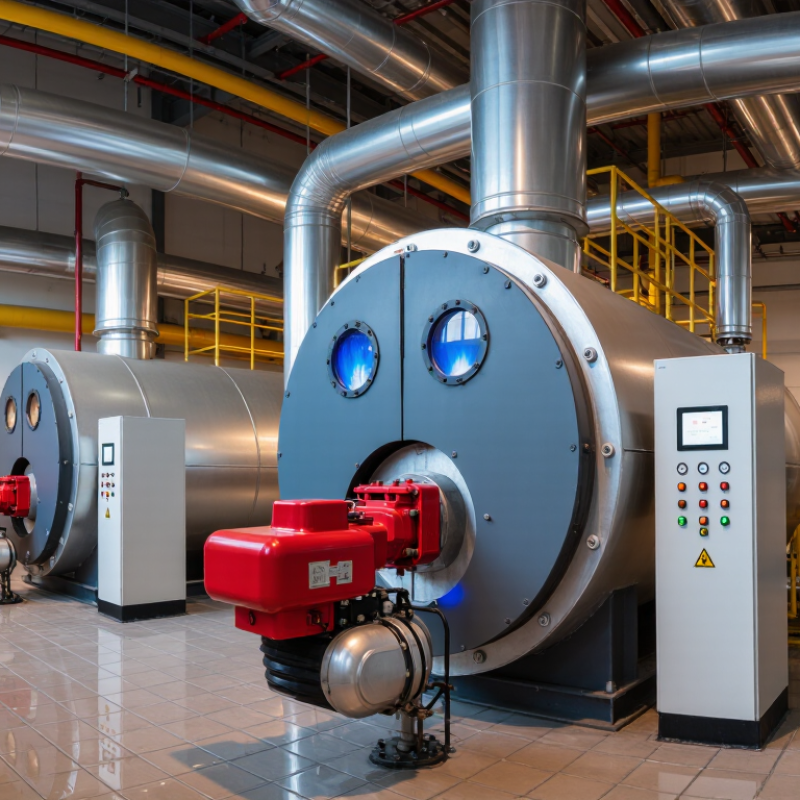
A natural gas steam boiler turns fuel energy into heat, then transfers that heat to water. A burner mixes gas with air and ignites the mixture inside the furnace. Hot combustion gases pass over or through heat-transfer surfaces, warming water inside the pressure vessel. As the water reaches its boiling point, steam forms and collects above the water line. It then travels through pipes to equipment that needs heat.

The burner’s controls respond to steam pressure and demand. When pressure falls, the burner may fire; when the set point is reached, it reduces output or stops. Feedwater replaces water used as steam, while gauges and safety controls help operators monitor pressure and water level. A diagram makes this look simple. Real installations are less tidy: scaling, poor combustion, or incorrect water levels can reduce performance and create hazards. Qualified technicians should inspect and maintain the system.

Tips: Check pressure and water-level readings during routine rounds. Keep burner air openings clear, and follow the boiler’s operating manual. Record unusual noises, flame changes, or rising fuel use. Small changes can matter. Do not adjust safety devices without proper training.

Key Criteria for Evaluating Chinese Boiler Manufacturers

Choosing a natural gas steam boiler manufacturer in China takes more than comparing quoted prices. Define the actual duty: steam pressure, hourly demand, feedwater condition, and operating hours. Ask for a heat-balance sheet and fuel-consumption figures at your expected load, not just an ideal factory test point. Small details matter. A boiler sized only for peak demand may cycle frequently and waste fuel.

Review engineering quality through drawings, material records, weld inspection reports, and pressure-test documentation. Confirm which standards and certificates apply to your destination market, then verify them with the issuing bodies where possible. Ask how burners, controls, and safety interlocks respond to low water, flame failure, or changing gas pressure. See the test records. A polished brochure cannot show how quickly a service team responds when a plant is waiting for steam.

Check installation guidance, spare-parts availability, commissioning support, and warranty exclusions in writing. Request references from facilities with similar steam loads, and ask about maintenance costs after two or three years. Compare total operating cost, not only purchase price. I would treat projections cautiously; real water quality and operator habits can change them. A factory visit can help, but it is not proof by itself.

Leading Natural Gas Steam Boiler Manufacturers in China

Leading natural gas steam boiler manufacturers in China serve food processing, textile, chemical, and building-service projects. Their products range from compact packaged units to larger water-tube systems. A capable manufacturer should explain how burner controls, heat-transfer surfaces, and boiler fittings match a site's steam demand. Details matter.

Buyers can compare rated output, operating pressure, turndown range, and stated efficiency, but figures need context. Ask whether performance data comes from defined test conditions and how feedwater quality affects maintenance. Request drawings that show access for cleaning, burner service, and instrument replacement. These checks often reveal more than a polished brochure.

Manufacturing quality is not proven by a factory tour alone. Review material traceability, weld inspection records, pressure-testing procedures, and commissioning support. Confirm the supplier can provide manuals, operator training, and spare-part guidance for the installation. Local fuel composition and changing loads may affect the final configuration. No catalog can settle every question. Comparisons remain imperfect when test methods differ, so treat a single efficiency figure with care.

How to Compare Manufacturers, Certifications, and Services

When comparing China’s natural gas steam boiler manufacturers, look beyond rated output. Ask for verified efficiency at several loads, not only one ideal test point. A boiler running at 40% load may behave differently from one near full capacity. Check whether the test report identifies fuel composition, steam pressure, feedwater temperature, and measurement method. Evidence matters.

Certification should match the exact boiler model and the destination market. Review the certificate scope, issuing body, expiry date, and applicable pressure-vessel and emissions requirements. A logo alone proves little. The U.S. Department of Energy’s Steam System Opportunity Assessment estimated energy-saving potential of about 18% across steam systems in selected industrial sectors. This is not a boiler guarantee; it shows why system design and operation matter. Compare burner controls, blowdown heat recovery, and commissioning procedures alongside quoted efficiency.

Service can decide whether those figures survive daily operation. Ask who supervises installation, how quickly technicians respond, and which critical parts are stocked locally. Check warranty exclusions in writing. Check the site. A polished brochure can still leave gaps; I may be overly cautious, but I would request a customer reference with similar pressure, capacity, and operating hours. A factory visit or witnessed performance test can reveal details that paperwork misses.

China Best Natural Gas Steam Boiler Manufacturers? - How to Compare Manufacturers, Certifications, and Services

Comparison Dimension What to Compare Evidence to Request Why It Matters
Boiler capacity and operating pressure Rated steam output, design pressure, normal operating pressure, and turndown range. Confirm whether output is stated for saturated or superheated steam. Technical datasheet, performance curves, and a written operating-point proposal based on the required steam conditions. A boiler should be selected for the actual steam demand and pressure, not only its maximum advertised capacity.
Efficiency and test basis Compare quoted efficiency at the same load, fuel composition, feedwater temperature, and measurement method. Check whether the figure uses higher heating value (HHV) or lower heating value (LHV). Test report or calculation sheet stating the efficiency method, operating conditions, and whether auxiliary power is included. Efficiency figures based on different heating-value conventions or test conditions are not directly comparable.
Fuel and burner compatibility Confirm the permitted natural-gas pressure and composition range, burner control method, ignition system, and any backup-fuel capability. Burner specifications, fuel requirements, control sequence, and documentation for the proposed burner-boiler combination. Gas supply conditions and fuel characteristics affect combustion stability, output, and emissions.
Emissions performance Compare stated nitrogen oxides (NOx) and carbon monoxide (CO) levels at the required firing rate and under the applicable local measurement conditions. Emissions test results, test conditions, and details of any low-NOx burner or flue-gas treatment included in the offer. Permitted emission limits depend on the installation location and applicable regulations; verify requirements with the local authority.
Pressure-vessel code and market compliance Identify the design and construction code required for the destination market and the specific boiler category. Applicable code documentation, nameplate details, inspection records, and conformity documents required for the project. Requirements vary by jurisdiction and boiler classification. For example, ASME BPVC provisions, European pressure-equipment requirements, or local rules may apply; confirm the correct route for the installation.
Management-system certifications Check the scope, issuing body, validity, and manufacturing site covered by any quality-management certification. Current certificate and confirmation that its scope covers the relevant manufacturing activities. A management-system certificate, such as ISO 9001, concerns a management system; it does not by itself certify a particular boiler design or prove its performance.
Materials, fabrication, and inspection Review pressure-part material traceability, welding procedures, welder qualifications, non-destructive examination, and inspection hold points. Material certificates, welding and inspection records, quality plan, and final inspection documentation appropriate to the applicable code. Traceable materials and documented fabrication controls help demonstrate that pressure parts were manufactured and inspected as specified.
Controls and safety functions Compare burner management, flame-failure protection, pressure and water-level protection, alarms, interlocks, and control-panel interface. Control-system description, cause-and-effect list, wiring diagrams, and commissioning test procedures. Safety functions and control integration should suit the boiler design, plant operating procedures, and applicable regulations.
Water treatment and auxiliaries Clarify feedwater quality limits and the scope of pumps, deaeration, water treatment, blowdown, economizer, and other auxiliaries. Water-quality requirements, equipment list, utility schedule, and battery-limit drawing. Water quality and auxiliary equipment affect reliability, maintenance needs, and the overall efficiency of the steam system.
Factory testing and commissioning Confirm factory acceptance testing, site installation support, combustion adjustment, performance verification, and operator training. Inspection and test plan, commissioning scope, acceptance criteria, and training schedule. Clear test criteria and defined responsibilities reduce ambiguity during delivery, installation, and handover.
Warranty and after-sales service Compare warranty duration and coverage, exclusions, spare-parts availability, technical response arrangements, and service coverage at the installation site. Written warranty terms, recommended spare-parts list, service contact process, and a support plan for the destination country. Support arrangements should be practical for the site’s location and operating schedule; verify commitments in the contract.
Commercial scope and lifecycle cost Compare included equipment, exclusions, shipping terms, installation interfaces, consumables, maintenance requirements, and expected operating costs. Itemized quotation, scope-of-supply list, utility consumption data, and documented assumptions. A purchase price alone does not show the total cost of owning and operating a boiler over its service life.

Evaluation note: Request comparable, project-specific documentation from each supplier and verify certificates, code requirements, performance claims, and local regulatory obligations independently before purchase.

How to Choose a Supplier for Your Boiler Project

Choosing a natural gas steam boiler supplier in China starts with the project, not a catalogue. Define steam pressure, hourly demand, fuel conditions, and operating hours before comparing proposals. A factory serving a laundry has different load patterns from one supplying a food-processing line. Ask suppliers to explain how their proposed boiler handles peak demand and low-load operation. Details matter.

Review technical documents, not just sales claims. Request drawings, material specifications, combustion-system data, and records from pressure and performance tests. Check whether the supplier can document its quality controls and provide references for installations with similar output and operating conditions. A video tour can help, but it cannot replace a clear inspection plan. Confirm who supervises installation, commissioning, and operator training, and how quickly common replacement parts can be supplied. These details affect downtime.

Compare the full project scope, including controls, feedwater treatment, delivery, and after-sales support. Ask what is excluded from the quotation; vague boundaries often create delays later. Discuss applicable local requirements with qualified engineers, since certification needs vary by destination and site. I would also ask for realistic efficiency assumptions at the expected load, rather than relying on a single best-case figure. Supplier replies may reveal gaps. Pause and verify them.

Go to Top