How to Choose the Best Audio Door Intercom for Your Needs?
Choosing the right Audio Door Intercom can significantly enhance your home security. With many options available, it is essential to focus on your specific needs. These systems provide a convenient way to communicate with visitors before granting access to your home or office.
When selecting an Audio Door Intercom, consider factors like sound quality, installation feasibility, and user-friendliness. Some products may promise high-tech features, but they might not be necessary for everyone. It's essential to reflect on what you truly need rather than getting lost in advanced functionalities. While some might prefer a wireless system for easier installation, others might prioritize a wired system for reliability.
Different models come with varying price points. More expensive does not always mean better. You might find a budget-friendly option that fits perfectly without compromising quality. Reading user reviews and seeking expert advice can help guide your choice. Ultimately, a well-chosen Audio Door Intercom adds convenience and security to your home. Choose wisely to ensure it meets your expectations and needs.
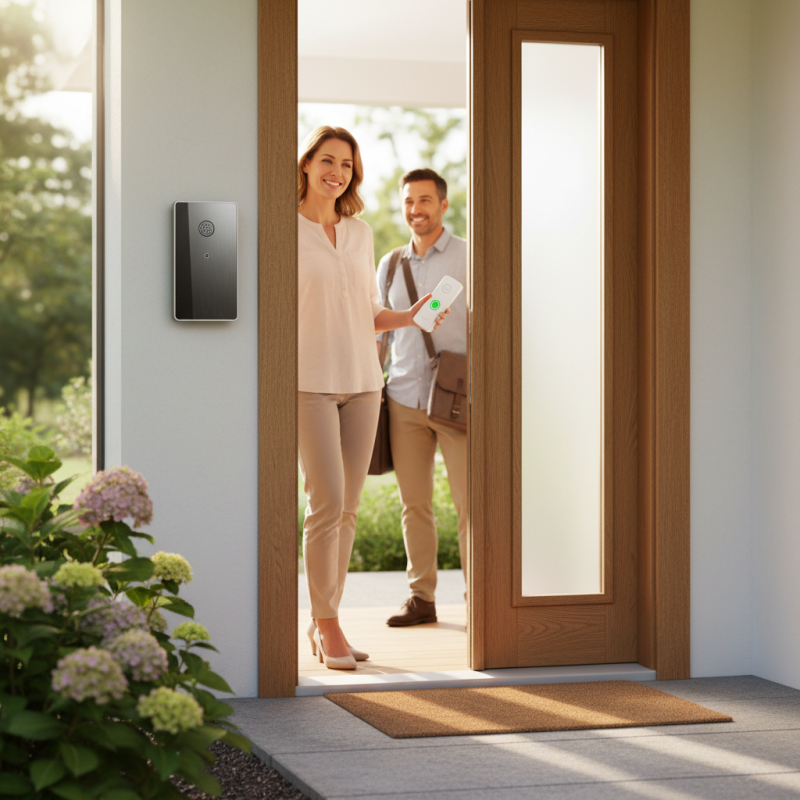
Understanding Your Intercom Needs and Usage Scenarios
When selecting an audio door intercom, it’s crucial to assess your unique needs. According to a 2021 industry survey, 47% of consumers prioritize ease of use in intercom systems. If your household includes elderly members or children, a simple design is essential. Look for models with straightforward button layouts. This will ensure everyone can communicate effortlessly.
Consider your living environment. Homes with multiple entry points may benefit from intercoms featuring multi-station access. A report from the Consumer Electronics Association indicates that 65% of homeowners prefer intercoms that integrate with smart home systems. This enhances convenience, allowing users to answer calls remotely. It’s also vital to evaluate the sound quality. Poor audio can lead to misunderstandings. Look for systems with noise-cancellation features. Users often report issues with sound clarity, making this feature important.
Be aware of the potential challenges. Installation can vary in complexity, sometimes requiring professional help. Some users find it difficult to set up network connections. A study by the National Home Security Association highlighted that 30% of intercom installations were complicated. Assess your technical skills before purchasing. Finally, think about future needs. An upgrade path could be essential as technology evolves. Consider systems that allow for simple expansion. This future-proofing could save you from having to buy a new intercom shortly.
Key Features to Look for in Audio Door Intercoms
When selecting an audio door intercom, several features deserve careful consideration. One vital aspect is sound quality. Clear audio ensures effective communication with visitors. Look for devices that minimize background noise and enhance speech clarity. The ability to adjust volume levels is also essential, especially in noisy environments.
Another important feature is reliability. A good intercom should operate consistently in various weather conditions. Evaluate the durability of the materials used. Some models may falter in extreme temperatures or heavy rain. A weather-resistant design provides peace of mind.
User-friendliness is equally critical. The best systems are easy to install and operate. Consider the layout of your home when choosing the installation type. Some devices require hard wiring, while others offer wireless options. A less intuitive setup may lead to frustration down the road, so prioritize simplicity. Overall, focus on your specific needs while ensuring the intercom meets high-performance standards.
How to Choose the Best Audio Door Intercom for Your Needs? - Key Features to Look for in Audio Door Intercoms
| Feature | Description | Importance | Price Range |
| Audio Quality | Clarity of sound during communication | High | $50 - $200 |
| Installation Type | Wired or wireless flexibility | Medium | $30 - $150 |
| Compatibility | Works with existing systems (security cameras, etc.) | High | $40 - $180 |
| Range | Distance from door to intercom unit | High | $20 - $100 |
| Ease of Use | User-friendly interface for quick access | Medium | $25 - $120 |
| Additional Features | Camera integration, remote unlocking, etc. | Medium | $60 - $250 |
Comparing Wired vs. Wireless Audio Intercom Systems
When deciding between wired and wireless audio intercom systems, it's important to consider specific needs. Wired systems tend to be more reliable. They are less prone to interference, with 90% of users reporting consistent performance. However, installation can be complex and may require professional help. This adds to the overall cost and effort involved.
On the other hand, wireless systems offer flexibility. They allow for easy installation in various locations, making them suitable for renters. According to industry reports, adoption rates for wireless systems are rising, with nearly 60% of new installations opting for this type. Yet, wireless systems may experience connectivity issues depending on the home environment. High interference from appliances and thick walls can lead to dropped signals.
Both systems have pros and cons. Users should weigh reliability against convenience. Understanding the specific environment where the intercom will be used is crucial. Factors like range, potential obstacles, and user comfort with technology will guide the decision effectively. The choice may seem straightforward, but it often involves deeper reflection on personal and environmental needs.
Evaluating Audio Quality and Range of Intercom Devices
When selecting an audio door intercom, sound quality is crucial. Clear audio ensures you can communicate effectively with visitors. Look for systems with noise reduction features. This helps eliminate background sounds, allowing crisp conversations. High-quality speakers can make a significant difference in clarity.
The range of the intercom system also matters. Consider the distance between your entry point and where you’ll be using it. Walls, ceilings, and other obstructions can affect performance. Testing the intercom in various locations is wise. Make sure it reliably transmits sound without interruption.
Many intercoms offer adjustable volume settings, enhancing usability. Not all environments are the same. Your needs might evolve, so flexibility is beneficial. Additionally, while some intercoms excel in audio quality, they may falter in range. Balancing these factors is essential for effective communication. Be prepared to refine your choices as you discover what works best for your space.
Audio Quality and Range Evaluation of Intercom Devices
Budget Considerations and Cost-effective Options in Intercoms
When choosing an audio door intercom, budget plays a vital role. You want quality and features without overspending. Many cost-effective options are available, so you must consider your needs. A basic model might suffice for small homes, but larger properties may require more advanced systems.
Affordable intercoms often provide satisfactory sound quality. However, watch out for hidden costs, like installation fees or maintenance. Ensure that you research the features included in your chosen model. Look for systems that allow for upgrades if you decide to enhance functionality later on. It helps to have flexibility with technology.
Tips for making smart choices: Compare multiple products to find the best fit. Read customer reviews to understand the product performance over time. Focus on user experiences that reveal long-term reliability. Remember, you want an intercom that will last. Don’t prioritize only low prices; quality should always be a priority. It’s not just about saving money; it’s about making wise investments for your security.