Why Choose Wire Assemblies for Your Next Project?
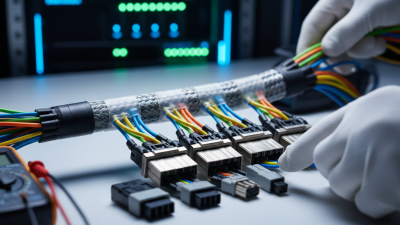
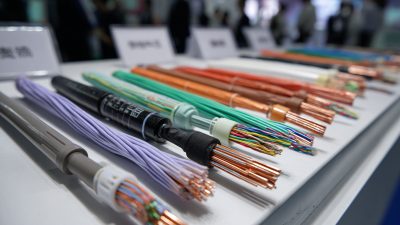
In today's complex manufacturing landscape, wire assemblies stand out as a crucial component in many projects. These assemblies are engineered to provide reliable electrical connections, making them integral to a variety of applications. Their versatility allows businesses to streamline operations, reduce costs, and enhance product performance. Choosing the right wire assemblies can significantly affect project outcomes, ensuring safety and durability.
Manufacturers often overlook important aspects when selecting wire assemblies. It's essential to consider factors like wire gauge, insulation type, and connector compatibility. A thoughtful approach can prevent costly mistakes down the line. Moreover, a poor choice can lead to inefficiencies and project delays, which no one wants to face.
Experts emphasize the value of quality in wire assemblies. Quality impacts not only performance but also longevity. Investing time in research and consultation can lead to optimal solutions. In an ever-evolving market, prioritizing these elements can set a project apart from the competition. Emphasizing the importance of wire assemblies is more than just a trend; it reflects a commitment to excellence in design and execution.
Understanding Wire Assemblies: Definition and Components
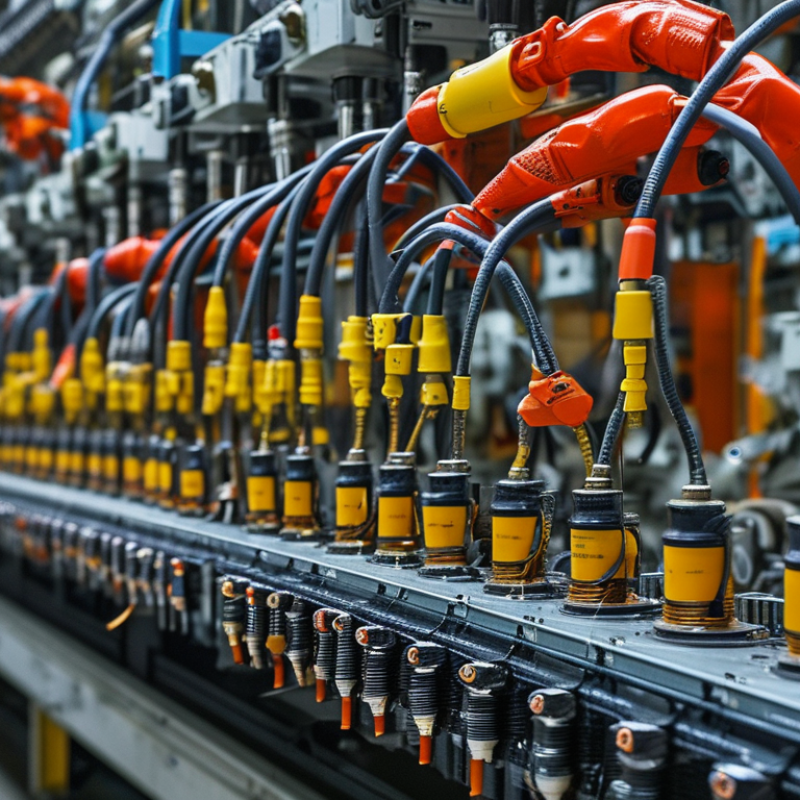
Wire assemblies are integral to modern electrical systems. They consist of several components, including wires, terminals, and connectors. Each of these parts plays a crucial role in ensuring the assembly functions correctly. According to a recent report by the International Electrotechnical Commission, the global wire and cable market is projected to reach over $300 billion by 2025. This growth reflects the rising demand for reliable electrical connections in various industries.
The quality of wire assemblies greatly impacts overall device performance. High-quality wires can reduce energy loss, enhance signal integrity, and withstand harsh environmental conditions. The market research indicates that up to 20% of failures in electrical devices can be traced back to poor quality wire assemblies. Strong connections are essential for safety and efficiency in applications ranging from consumer electronics to aerospace.
However, not all wire assemblies are created equal. Choosing the right materials and design is critical. Some projects may require specialized coatings or insulation to protect against corrosion. Decisions should be informed by the specific requirements of the application. Nonetheless, engineers must sometimes balance ideal specifications with budget constraints, leading to potential compromises in performance. This reflection on the trade-offs involved is important for making informed decisions.
Benefits of Using Wire Assemblies in Various Applications
Wire assemblies offer numerous benefits across diverse applications. These components provide reliability and efficiency, making them ideal for complex systems. For example, in automotive manufacturing, wire assemblies ensure seamless connections between various electronic parts. This leads to improved vehicle performance and safety features that rely on precise electrical flow.
In the medical field, wire assemblies support critical devices and machinery. They maintain consistent operation in life-saving equipment, which demands high standards of quality and durability. Failure is not an option here, as it could jeopardize patient safety. Companies often face challenges in ensuring these assemblies meet regulatory standards, emphasizing the need for careful design and testing.
Industries may struggle to find the right balance between cost and quality. A wire assembly that seems cost-effective might not perform reliably in demanding environments. Thus, thorough evaluation is crucial. When selecting wire assemblies for projects, consider the application requirements carefully. Each choice shapes the final product's performance and longevity in the field.
Key Considerations When Choosing Wire Assemblies for Projects
When selecting wire assemblies for projects, practical considerations dominate. Wire assemblies provide versatility. They can be custom-designed to meet specific technical requirements. According to recent industry reports, the global wire assembly market is projected to reach $24 billion by 2025, reflecting significant growth in demand.
Quality materials are essential. The choice of insulation, conductor types, and connectors impacts performance. A report from the International Electrotechnical Commission noted that substandard materials can lead to failures, which increases costs long-term. Durability is crucial in high-stress environments. The accountability of suppliers and their adherence to industry standards are paramount.
Cost remains a critical concern. Some may prioritize lower prices over quality. However, this can lead to setbacks. Organizations should weigh immediate savings against future risks. Research indicates that organizations often underestimate the risks associated with poor-quality assemblies. It’s critical to conduct thorough evaluations. Inadequate wire assemblies can compromise safety and project timelines. Balancing cost and quality is essential in ensuring the reliability of finished products.
Comparative Analysis: Wire Assemblies vs. Other Connection Methods
Wire assemblies offer a robust solution for many engineering projects. They provide a secure connection with high reliability. Compared to other methods like soldering or crimping, wire assemblies have a lower failure rate. A report from the Wiring Harness Manufacturer’s Association shows that quality wire assemblies reduce downtime and improve safety by 40%. This can be critical in fields where precision is vital.
In contrast, soldering can produce weaker joints, which may fail under stress. Crimping, while effective, often leads to variable results based on user technique. A study by the Institute of Electrical and Electronics Engineers found that improperly crimped connections had a failure rate exceeding 20%. This inconsistency can jeopardize project integrity, particularly in complex systems.
However, wire assemblies are not without challenges. Assembly times can be longer compared to other methods. Furthermore, the initial costs may be higher, as customization is often required. Depending on the design, this can lead to more significant upfront expenses. Projects that overlook these factors may face budget overruns and delay timelines. Each method has its strengths and weaknesses, underscoring the importance of carefully evaluating specific project needs before deciding.
Tips for Selecting the Right Wire Assembly Manufacturer
When selecting a wire assembly manufacturer, it's vital to evaluate their expertise and track record. A manufacturer with a strong reputation in the industry is often a good choice. Look for companies that have been in business for several years. Their longevity can indicate reliability and experience in handling various projects. It's also beneficial to examine their previous work. A portfolio showcasing successful assemblies will give you confidence in their capabilities.
Communication is another essential factor. A responsive manufacturer is more likely to meet your needs effectively. Ask questions to gauge their understanding of industry standards and materials. Successful collaboration hinges on clear dialogue. Consider seeking manufacturers who value transparency. This can prevent misunderstandings during the assembly process.
Assessing quality control measures is crucial as well. A good manufacturer will have strict protocols in place. These may include inspections at different stages of production. While perfection is the goal, mistakes can happen. Reflect on how the manufacturer addresses issues when they arise. Their approach to problem-solving can reveal much about their reliability and commitment to quality.