Choosing the Best Switching Power Supply for Your Needs?
When it comes to choosing the best Switching Power Supply, expert John Smith emphasizes, "Quality and efficiency are key factors that should guide your selection." The demand for reliable power solutions is ever-increasing. Companies rely on Switching Power Supplies to ensure their devices operate smoothly. In a market filled with options, finding the right one can be daunting.
Consider the unique requirements of your application. Different devices have varying power needs. A suitable Switching Power Supply can optimize performance and extend device lifespan. However, many users overlook critical specifications. This oversight can lead to inefficiencies and higher operational costs.
The choices are vast, and the right decision can significantly impact your projects. Ensure that the Switching Power Supply you select meets your specific criteria. Reflect on aspects like voltage levels, load capacity, and heat dissipation. Investing time in this selection process is crucial for long-term success.
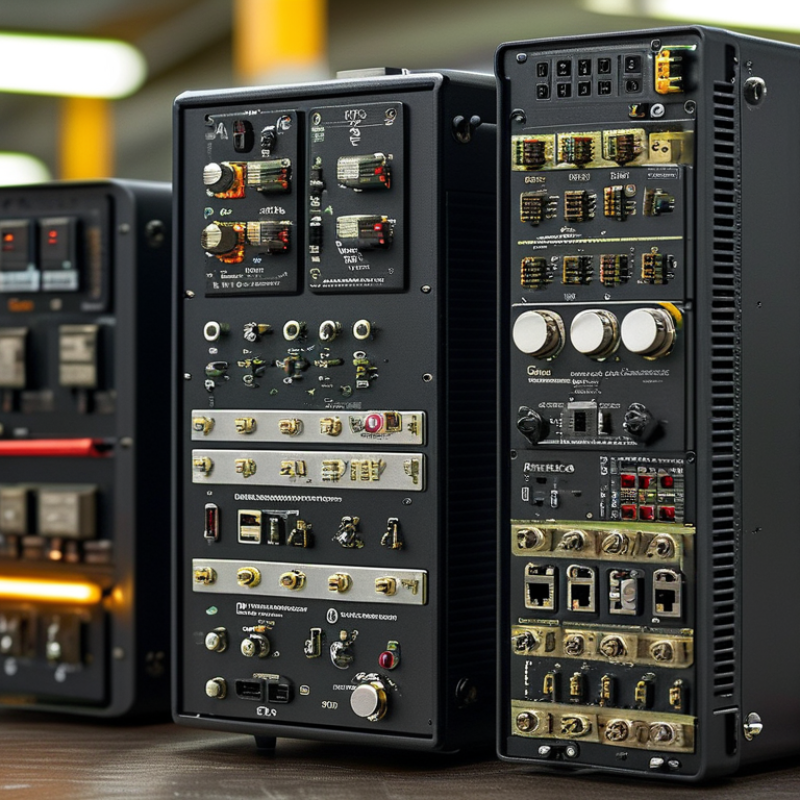
Understanding the Basics of Switching Power Supplies
Switching power supplies are essential components in various electronic devices. Understanding their fundamental operation and specifications is crucial for selecting the right unit. These supplies convert high-voltage AC to usable low-voltage DC efficiently.
According to industry reports, over 80% of modern electronics rely on switching power supplies for energy conversion.
Efficiency is a vital factor. Many units achieve efficiencies above 90%, which reduces heat waste and energy costs. However, not every power supply performs under all conditions. Load variations can affect the efficiency rate, requiring careful consideration of the application environment. The quality of internal components often dictates performance and reliability.
Additionally, proper thermal management in power supplies is critical. With an increase in temperature, component lifespans can drop significantly. Studies indicate that operating temperatures over 85°C can decrease operational lifespans by up to 50%. Users must consider ambient environment when choosing the appropriate power supply. A balance between efficiency, heat generation, and longevity is necessary for optimal performance.
Key Specifications to Consider When Selecting a Power Supply
When selecting a switching power supply, certain specifications are crucial for optimal performance. One major factor is the output voltage. It needs to match the requirements of your devices. An incorrect voltage can lead to inefficiency or damage. Assessing the input voltage range is also essential. This range ensures that the power supply can operate under various conditions.
Another consideration is the power rating, typically measured in watts. A power supply with insufficient wattage can result in underperformance. It's vital to calculate the total power consumption of your connected devices. Additionally, consider the efficiency rating. A higher efficiency means less energy loss as heat. This can significantly lower your electricity bill over time.
Lastly, examine the protections offered by the power supply. Features like overvoltage protection and short-circuit protection enhance reliability. However, not all power supplies provide comprehensive safeguards. User reviews and expert recommendations can shed light on which models excel in reliability. Matching your needs with the right specifications can greatly affect both performance and safety.
Types of Switching Power Supplies and Their Applications
Choosing the right switching power supply is crucial for optimal performance. Understanding the different types can help you make informed decisions. Linear power supplies are known for their simplicity and low noise, making them ideal for audio applications. However, they can be less efficient and generate more heat compared to their counterparts.
On the other hand, switch-mode power supplies are highly efficient and versatile. They come in various forms, including AC-DC converters and DC-DC converters. These are often used in computers and telecommunications due to their compact size and lightweight design. However, they can introduce electrical noise, which is a critical factor in sensitive situations.
Consider your application needs carefully. For example, if low weight and efficiency are priorities, a switch-mode supply may be best. Yet, if you’re aiming for low noise in audio systems, a linear supply might be more suitable. It’s important to assess your specific requirements to ensure reliability and longevity of the power supply in your system. Understanding these variations is essential for making the best choice.
Assessing Efficiency and Performance Metrics
When choosing a switching power supply, efficiency and performance metrics are crucial. Efficiency often determines energy consumption and heat output. A higher efficiency percentage means less power wasted as heat, leading to cooler operation. For example, a supply rated at 90% efficiency converts only 10% of input energy into heat. This can extend the lifespan of components and reduce cooling costs.
Performance metrics should also be thoroughly evaluated. Key factors include load regulation, ripple voltage, and transient response. Load regulation indicates how well the power supply maintains output voltage under varying loads. Ripple voltage reflects stability, while transient response assesses how quickly it adjusts to load changes. Fluctuations in these metrics can lead to performance issues in connected devices.
Many users overlook the importance of these details. It's easy to focus solely on wattage ratings or initial costs. However, investing time in understanding efficiency and performance can yield long-term benefits. This approach can help you make a well-informed decision. Reflecting on these factors ensures the chosen power supply truly meets your needs.
Choosing the Best Switching Power Supply for Your Needs? - Assessing Efficiency and Performance Metrics
| Model | Power Output (W) | Efficiency (%) | Input Voltage (V) | Dimensions (mm) |
| SP-500 | 500 | 90 | 100-240 | 150 x 80 x 40 |
| SP-750 | 750 | 92 | 100-240 | 160 x 85 x 40 |
| SP-1000 | 1000 | 93 | 100-240 | 170 x 90 x 45 |
| SP-1200 | 1200 | 94 | 100-240 | 180 x 95 x 50 |
Important Safety and Regulatory Standards for Power Supplies
When choosing a switching power supply, safety and regulatory standards are crucial. These guidelines help ensure the reliability and performance of the power supply. According to a report from the International Electrotechnical Commission (IEC), approximately 35% of power supply failures are linked to safety standard violations. This highlights the importance of compliance.
Various standards exist. For example, the UL (Underwriters Laboratories) certification is critical in the United States. It confirms that a power supply meets safety standards. The European Union has its own set of directives, such as the Low Voltage Directive (LVD) and the Electromagnetic Compatibility (EMC) Directive. Products not meeting these standards may become a liability.
Some manufacturers offer lower-cost options that might not meet these regulations. Although attractive, these products can lead to safety hazards. In fact, a study from the Electrical Safety Foundation International found that non-compliant devices accounted for 20% of electrical accidents. This serves as a reminder to carefully evaluate product certifications and quality assurance measures before making a purchase.
Choosing the Best Switching Power Supply for Your Needs