How to Choose the Best Solar Panel Connectors for Your Needs?
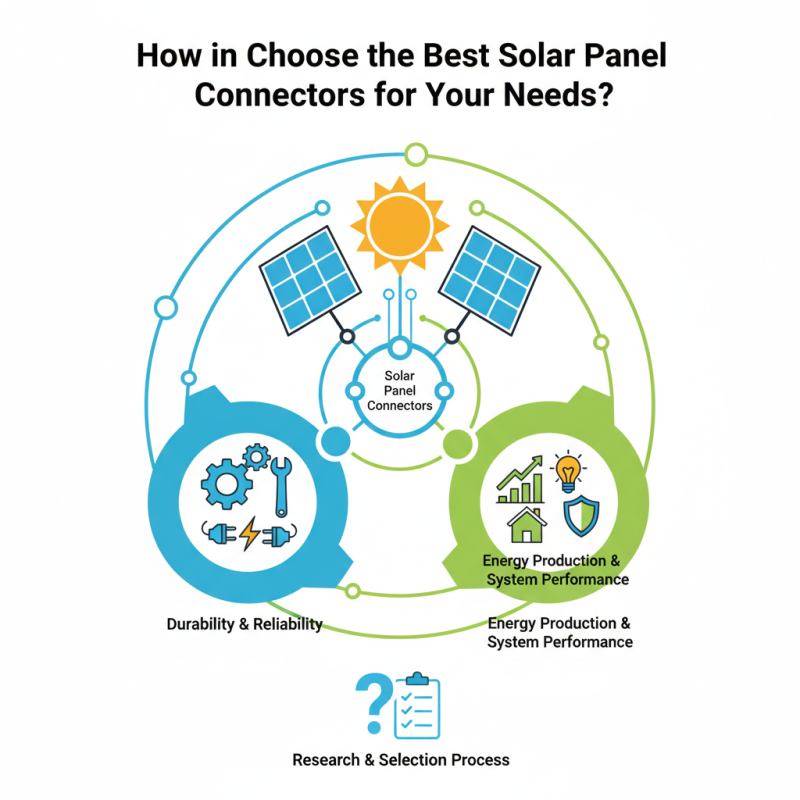
Choosing the right Solar Panel Connectors is crucial for any solar installation. These components play a vital role in ensuring efficient energy transfer and system reliability. A suitable connector not only maximizes energy production but also enhances the longevity of your solar setup.
When selecting Solar Panel Connectors, consider factors like compatibility, durability, and performance. Different connector types are available, each suited for specific applications. It’s essential to understand your system's requirements before making a choice. Take the time to research various options and their specifications.
Many users overlook the importance of these connectors. This can lead to complications, affecting overall energy efficiency. Reflect on how your choice impacts the entire solar system. The right Solar Panel Connectors can make a remarkable difference in performance and safety. Always prioritize quality and reliability in your decision-making process.
Understanding the Types of Solar Panel Connectors Available on the Market
When selecting solar panel connectors, understanding the types available is crucial. The market offers several options, including MC4 connectors, which are most common due to their reliability and ease of use. These connectors ensure water resistance and a secure electrical connection. A report from the Solar Energy Industries Association (SEIA) indicates that over 80% of solar installations in the U.S. utilize MC4 connectors.
Another choice is branch connectors, which link multiple solar panels. They can simplify installation but require careful planning for efficiency. Additionally, you may encounter DC connectors, which work well in specific situations. These specialized connectors solve unique challenges, though they may not be as universally applicable as their counterparts.
Tip: Always check the voltage ratings and current capacity of connectors. Mismatched parameters can lead to system failures.
Choosing the right connectors can impact performance. Poor-quality connectors might lead to energy loss, affecting overall system efficiency. A well-researched decision leads to long-term benefits.
Tip: Consult installation guidelines. They offer valuable insights into compatibility and installation requirements. How your connectors function can determine the longevity of your solar setup.
Evaluating Compatibility with Your Solar Panels and System Components
When evaluating compatibility with solar panels and system components, several key factors must be considered. The connector type is crucial. MC4 connectors are the standard in the industry, representing about 80% of all solar panel connections. These connectors are robust and weather-resistant, making them suitable for various environmental conditions. However, not all solar panels use the same connectors. It's essential to check the specifications of your panels.
Another important aspect is voltage ratings. Most solar panel connectors support up to 1,000 volts. However, your system may require different specifications based on your design. A mismatch in voltage can lead to decreased efficiency. According to industry reports, selecting compatible connectors can improve system performance by up to 10%. This emphasizes the importance of checking compatibility before purchasing.
Wiring gauge is also a factor to consider. A thicker wire reduces resistive losses. Yet, using excessively thick wire can create installation challenges. It’s a balance that requires careful thought. Incorrect wire sizing can lead to overloading or underperformance. Research shows that improper sizing affects system yield significantly—sometimes by up to 15%. This highlights the need for precise calculations in your system plans. Evaluating all components carefully can lead to a more efficient solar setup.
Assessing Durability and Weather Resistance of Solar Connectors
When selecting solar panel connectors, assessing durability and weather resistance is crucial. These connectors must endure various elements like rain, snow, and intense sun. According to the Solar Energy Industries Association (SEIA), weather-related failures can decrease panel efficiency by up to 20%.
A reliable connector should be made from durable materials. Look for connectors rated for UV resistance and temperature extremes. An industry report from the International Electrotechnical Commission indicates that connectors facing harsh weather should withstand temperatures between -40°C to +85°C. These factors enhance their longevity and performance.
Many users overlook the importance of environmental factors. Poorly designed connectors can lead to corrosion and operational failures. Regular inspections of connectors help identify early signs of wear. This vigilance can prevent costly repairs and optimize energy production. Planning for long-term durability starts with the right connector choice.
Considering Electrical Ratings and Performance Specifications
When choosing solar panel connectors, electrical ratings and performance specifications are crucial. These factors determine how well the connectors will function in your solar setup. A connector’s voltage rating indicates the maximum voltage it can handle. Choosing connectors with a suitable voltage rating ensures safety and efficiency in your system.
Performance specifications include temperature range and current ratings. Ensure your connectors can withstand local weather conditions. If you live in an area with extreme temperatures, opt for connectors designed for those conditions. A reliable connector will facilitate optimal energy transfer, reducing energy loss. Always verify that the current rating matches your solar panel output. Mismatched ratings can lead to overheating and failure.
Pay attention to connector types as well. Some may not fit your solar panel system perfectly. Compatibility is key to ensuring a seamless integration. Reflect on your specific needs and evaluate various options carefully. This decision might impact long-term power generation efficiency. Always prioritize quality over cost when selecting connectors; cheaper options might lead to quicker failures.
Exploring Installation Considerations and Ease of Use for Connectors
When selecting solar panel connectors, installation considerations play a crucial role. The ease of use directly impacts the efficiency of your solar setup. According to a report from the Solar Energy Industries Association (SEIA), proper installation minimizes energy loss. Connectors should provide a snug fit to prevent arcing. Loose connections can reduce overall system performance and may lead to safety issues.
Tips: Choose connectors that are rated for high current. This ensures they can handle the demands of modern solar systems. Compatibility with your solar panels is essential. Ensure connectors are rated for outdoor use to withstand varying weather conditions.
Another critical factor is the polarity of connectors. Incorrectly connected panels can lead to system failures. A study from the National Renewable Energy Laboratory (NREL) highlights that over 30% of solar installation issues stem from improper connections. This emphasizes the need for careful planning before installation.
Tips: Use color-coded connectors to avoid mistakes. Additionally, consider using connectors with integrated strain relief. This helps prevent damage from movement or environmental factors. Remember, thorough testing post-installation is key to a reliable solar system.