
Blog

How to Choose the Right CHLF Pump for Your Needs?

Choosing a Chlf Pump is not a matter of matching a label to a pipe. The right model depends on the required flow, total head, fluid temperature, and the system’s operating conditions. A pump that looks suitable in a catalog may perform poorly once elbows, long pipe runs, and changing demand enter the picture. Small details matter.

A useful selection principle, consistent with the engineering approach in Igor J. Karassik’s pump references, is: “Choose for the system’s duty, not the catalog headline.” This is a paraphrase, not a verified verbatim quotation. Start with the duty point, then compare it with the manufacturer’s performance curve. Check the pump’s materials, motor rating, connection size, and installation limits against the actual application. Where suction conditions are uncertain, ask a qualified supplier to review them. Guessing here can be costly.

Real installations are rarely as tidy as diagrams. A pressure gauge may reveal a restriction that the original calculation missed. That happens. This guide outlines how to define your requirements, read CHLF Pump specifications, and compare suitable models without relying on one headline figure. It also points out where assumptions need a second look. Verify every model’s data against current manufacturer documentation before ordering. A careful choice should fit the system today and leave sensible room for its expected operating changes.
How to Choose the Right CHLF Pump for Your Needs?

Understand the CHLF Pump’s Design and Typical Applications

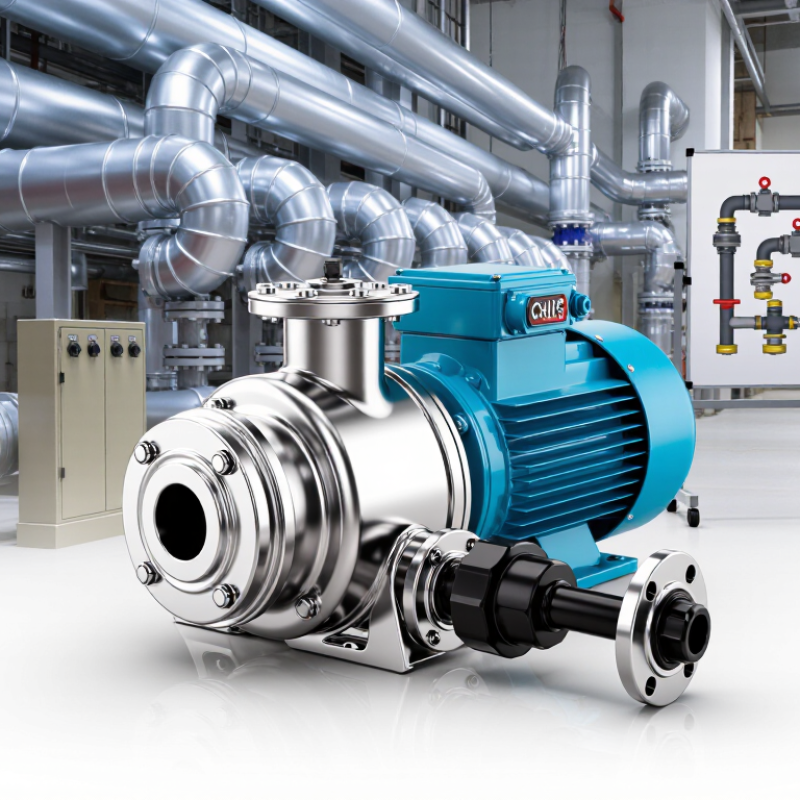
A CHLF pump is typically a horizontal, multistage centrifugal pump. Several impellers sit in sequence inside a compact casing, adding pressure as water passes through each stage. Many versions use stainless-steel wetted parts, but materials and seal designs vary by model. Check the pump’s data sheet rather than assuming every CHLF configuration is identical.

This design suits clean-water duties that need steady pressure, such as building supply, HVAC circulation, equipment washing, and light industrial transfer. The U.S. Department of Energy’s Improving Pumping System Performance sourcebook reports that pumping systems can use 25–50% of energy in some industrial operations. That makes correct sizing practical, not cosmetic. Match flow and total head to the actual pipework; an oversized pump may waste power or operate noisily.

Look closely at the fluid, too. Suspended grit or long fibers can wear impellers and seals, while hot water may exceed a particular model’s limits. A pressure gauge near the discharge and a visible flow reading help reveal real operating conditions. The catalog curve is useful, but it cannot account for every elbow, clogged strainer, or future change. That part is easy to overlook.


Calculate the Required Flow Rate and Delivery Head

For a CHLF pump, estimate the required flow rate from actual water use, not the largest number on a nameplate. Add the demand from outlets that may operate at the same time. If a tank must receive 600 litres in 20 minutes, the target flow is 30 litres per minute. Allow for peak periods, but avoid adding a large, unexplained safety margin. Measure carefully. A pump running far above normal demand may cycle often or waste energy.

Delivery head is the height the pump must overcome, plus pressure and resistance in the pipework. Start with the vertical lift from the water level to the outlet. Then account for bends, valves, filters, pipe length, and the pressure needed at the outlet. For example, a 12-metre lift with an estimated 4 metres of system losses needs at least 16 metres of head, before any additional outlet-pressure requirement. Real conditions vary. Check the pump curve at your calculated flow; the maximum head alone does not show what the pump can deliver at that flow. A rough estimate helps, but it can miss clogged filters or undersized pipes. Recheck assumptions against the installation, especially when demand changes during the day.

Assess Fluid Properties and Operating Conditions

A CHLF pump should be selected for the liquid it will actually handle, not just for clean water on a specification sheet. Note the fluid’s viscosity, temperature, and chemical makeup. A thicker liquid can increase resistance and reduce flow. Higher temperatures may also affect seals and wetted materials. Small changes matter. If the fluid contains grit or fibers, check the pump’s limits carefully; centrifugal multistage designs are not automatically suited to solids.

Operating conditions shape the choice just as much. Estimate the required flow rate and total head, including pipe length, elevation, valves, and fittings. Then compare those figures with the pump curve at the expected operating point. Check suction conditions too, especially when the liquid is warm or the supply tank sits below the pump. A common oversight is sizing around peak demand alone. Real systems rarely run at one steady point, and estimates should be checked against measured conditions where possible.

Tips: Record fluid temperature and concentration, then confirm material compatibility with a qualified supplier. Keep a little operating margin, but avoid substantial oversizing; it can waste energy and cause unstable operation. Recheck assumptions after installation. A pressure reading or measured flow can reveal that the original estimate was off.

Compare Pump Materials, Motor Power, and Installation Needs

A CHLF pump’s materials should suit the liquid, not just the room where the pump sits. Check the wetted parts against water quality, temperature, and any cleaning additives. Stainless steel can offer better corrosion resistance, while cast iron may suit less demanding water services. Verify the exact model’s specifications; material options vary. Fit matters.

Motor power should match the required flow and total head, including pipe losses and elevation changes. Compare the duty point with the pump curve, rather than choosing the largest motor available. Too little power may fail to deliver the needed flow; oversizing can waste energy and increase operating strain. Check the curve. A common selection mistake is starting with horsepower alone, and that shortcut deserves a second look.

Installation details can change performance. Measure the available floor space, leave room to remove the motor, and support the pipework so its weight does not pull on the pump connections. Keep the suction line short and appropriately sized, and confirm the inlet conditions in the manual. Check electrical supply, mounting level, and access for routine inspection before ordering. A tight corner can turn a simple seal check into a difficult job.

Verify System Compatibility and Maintenance Requirements

Before selecting a CHLF pump, compare its performance curve with your system’s actual flow and pressure needs. A pump that looks suitable on paper may struggle when pipe friction, elevation, and fittings are included. Check the required flow rate at the operating point, not just the pump’s maximum capacity. Small details matter.

Confirm that the pump’s wetted materials and seals suit the liquid’s temperature, viscosity, and cleanliness. Fine particles can accelerate wear, while a restricted inlet may cause noise and unstable flow. Match the motor voltage, frequency, and available power supply to the installation. Also verify connection sizes, mounting space, and whether the piping can support the pump without strain.

Maintenance access is easy to overlook. Allow room to work. Check how technicians will inspect seals, clean any inlet strainer, and reach electrical connections. Review the recommended service intervals and confirm that compatible replacement parts are available. Keep a record of leaks, unusual vibration, and changes in sound after startup; these observations can reveal developing problems. A checklist can still miss something, so compare the installation with the pump’s technical documentation before commissioning.

How to Choose the Right CHLF Pump for Your Needs? — Verify System Compatibility and Maintenance Requirements

Selection Dimension What to Verify Practical Selection Guidance Maintenance or Compatibility Check
Required flow rate Determine the flow the system needs at its actual operating point, such as litres per minute or cubic metres per hour. Use the system’s demand rather than choosing a pump by connection size alone. Compare the required flow with the pump performance curve. Check that expected demand changes will not routinely push the pump outside its recommended operating range.
Total head and pressure Account for elevation difference, required outlet pressure, and friction losses through pipes, valves, and fittings. Select using the total dynamic head at the required flow. A pump’s maximum head is not necessarily the head available at the target flow. Review pressure limits for the pump, pipework, seals, and connected equipment.
Liquid and materials Confirm liquid composition, temperature, viscosity, cleanliness, and any corrosive or abrasive properties. Check the wetted materials and seal materials against the liquid and operating temperature. Do not assume a stainless-steel construction is compatible with every fluid. Inspect for corrosion, deposits, or seal deterioration; follow the material and fluid supplier’s compatibility guidance.
Temperature limits Compare the normal and maximum liquid temperatures with the pump’s documented limits. Consider temperature effects on seals, elastomers, clearances, and motor cooling. Use the pump documentation for the specific configuration. Check for leakage, unusual noise, or changes in performance after temperature changes.
Suction conditions Verify inlet pressure, liquid level, suction-pipe size and length, and the risk of air entry or cavitation. Keep the suction line adequately sized and as short and direct as practical. Confirm available suction pressure meets the pump’s requirements. Inspect inlet strainers and suction joints for blockage, leaks, or air ingress. Never run a pump dry unless its documentation explicitly permits it.
Electrical supply Match the motor’s voltage, phase, frequency, rated current, and starting method to the site supply. Use the motor nameplate and wiring documentation. Provide correctly rated overload and short-circuit protection in accordance with local electrical codes. Check electrical connections and protective devices during scheduled service, with power isolated before inspection.
Pipework and installation Confirm inlet and outlet connection sizes, orientation, available space, and support for connected pipework. Ensure the installation does not impose excessive pipe strain on the pump. Provide accessible isolation valves where the system design requires them. Check for vibration, loose fasteners, pipe leaks, and changes in alignment or mounting condition.
Operating pattern Identify continuous or intermittent duty, start frequency, and expected variation in demand. Choose a configuration suitable for the duty cycle and control method. Avoid frequent starts beyond the motor’s permitted starting frequency. Monitor starts, operating temperature, vibration, and any repeated trips or pressure fluctuations.
Efficiency and controls Consider whether flow demand varies and whether the system uses a pressure switch, bypass, or variable-speed control. Match the control strategy to the system. Variable-speed operation requires compatible motor and drive arrangements and correct configuration. Verify control settings and protection functions after commissioning and following system changes.
Routine maintenance access Check access to the motor, seals, electrical terminals, and any serviceable components. Allow enough working clearance for inspection and servicing, and keep the installation documentation available. Follow the specific pump instructions for inspection intervals, approved replacement parts, and service procedures.

Note: These are general pump-selection checks, not model-specific performance specifications. Confirm the final duty point, allowable operating limits, materials, and service instructions in the documentation for the exact pump configuration.

Go to Top