Why You Should Consider Becoming a Cable Builder: A Guide to Opportunities and Skills
In an era where technology continuously evolves, the role of a cable builder has emerged as a vital contributor to the infrastructure that powers our daily lives. With the increasing demand for high-speed internet, telecommunications, and power distribution, aspiring professionals are finding rewarding opportunities in the cable building industry. As industry expert John Thompson, a seasoned cable builder and trainer, aptly puts it, "Building cables is not just about connecting wires; it's about crafting the backbone of communication and energy."
This statement encapsulates the essence of what it means to be a cable builder—an individual who not only possesses technical skills but also an understanding of the critical role their work plays in modern society. The journey to becoming a cable builder offers various pathways, from mastering specialized skills to exploring innovative technologies. With the right knowledge and experience, those in this field are positioned to thrive amidst the rapid advancements in technology.
In this guide, we will delve into the opportunities available to those interested in pursuing a career as a cable builder, highlighting the essential skills required and exploring the potential for personal and professional growth in this dynamic industry. The future is bright for cable builders, and the time to seize these opportunities is now.
Understanding the Role of a Cable Builder in the Modern Industry
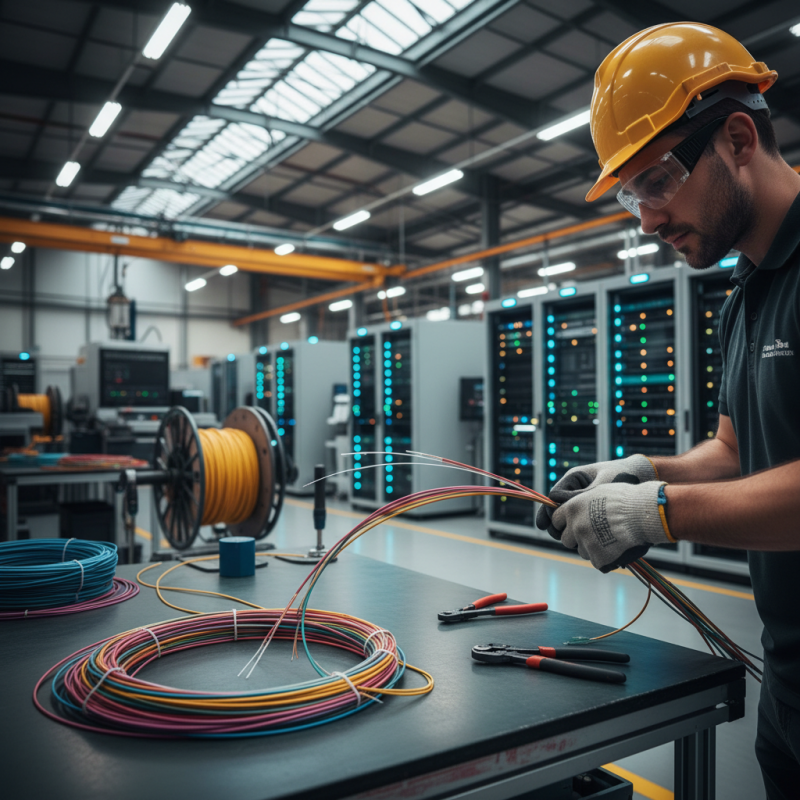
The role of a cable builder has evolved significantly in the modern industry, driven by advancements in technology and increasing demand for high-quality infrastructure. As a cable builder, one is primarily responsible for designing, assembling, and installing various types of cables that are essential for communication, power distribution, and data transmission. This position requires a deep understanding of electrical systems, materials science, and safety protocols, as the ability to create reliable connections is crucial.
One of the key skills for aspiring cable builders is the ability to work with different materials and understand their properties. Familiarity with various cable types, such as fiber optic and coaxial cables, can broaden job prospects. Moreover, attention to detail is paramount. A small error in assembly could lead to significant issues down the line, impacting performance and safety.
Tips for those looking to pursue a career in cable building include seeking hands-on training through internships or apprenticeships, which can provide invaluable experience and insights into industry standards. Additionally, staying updated with the latest technologies and trends can enhance your skill set and make you more competitive in the job market. Understanding the importance of teamwork in large projects can also improve efficiency and foster a collaborative working environment.
Why You Should Consider Becoming a Cable Builder: A Guide to Opportunities and Skills
| Aspect |
Details |
| Job Role |
Cable Builder |
| Key Responsibilities |
Designing, assembling, and testing cable systems for various applications. |
| Required Skills |
Technical knowledge, troubleshooting, wiring skills, attention to detail. |
| Educational Background |
High school diploma or equivalent; technical training preferred. |
| Industry Opportunities |
Telecommunications, automotive, aerospace, construction. |
| Career Advancement |
Possibility to move into supervisory or management roles. |
| Salary Range |
$40,000 - $70,000 per year, depending on experience and location. |
| Certification |
Optional certifications in cable installation and management. |
Essential Skills Required for Aspiring Cable Builders
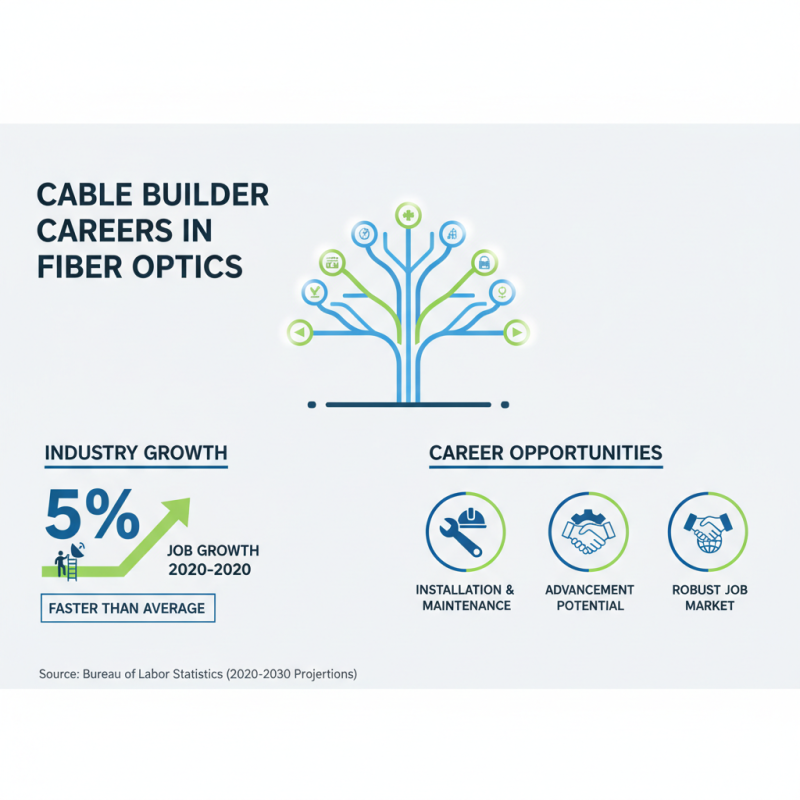
Becoming a cable builder can open up numerous career opportunities in a rapidly growing industry. As fiber optic technology advances, the demand for skilled professionals in cable installation and maintenance continues to rise. According to the Bureau of Labor Statistics, the employment of telecommunications line installers and repairers is projected to grow by 5% from 2020 to 2030, which is slightly faster than the average for all occupations. This growth signifies that aspiring cable builders can expect a robust job market and the possibility for career advancement.
Essential skills required for aspiring cable builders include technical proficiency, problem-solving abilities, and physical endurance. A strong understanding of electrical systems and fiber optics is crucial, as cable builders are often responsible for the installation and troubleshooting of complex networks. Additionally, proficiency in using tools such as cable testers and splicing equipment is vital. Communication skills are also important, enabling professionals to effectively collaborate with team members and clients. The National Cable Telecommunications Association highlights that ongoing training and certification in the latest technologies can significantly enhance a cable builder's expertise, thereby making them more competitive in the job market. Emphasizing these crucial skills will prepare individuals for a rewarding career in the cable building industry.
Career Opportunities and Growth Potential in Cable Building
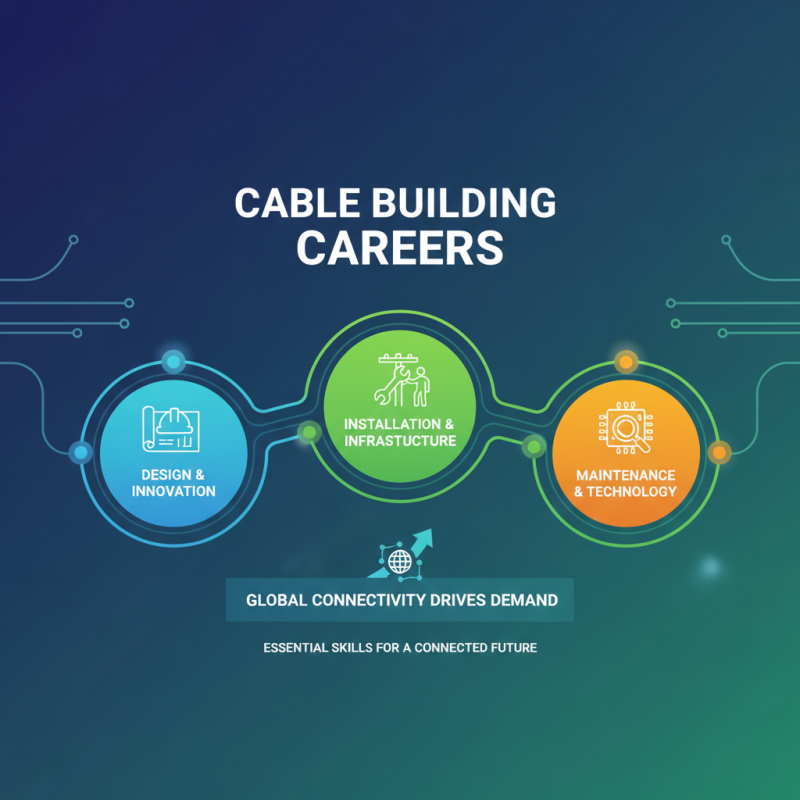
The cable building industry offers a wealth of career opportunities, driven by the increasing demand for advanced telecommunications and energy infrastructure. As society becomes more connected, the need for efficient, high-quality cable solutions has soared. This spike in demand has opened avenues for skilled professionals in design, installation, and maintenance, ensuring that individuals entering this field are equipped with skills that are not only relevant but essential to contemporary technological advancements.
In addition to job security, a career in cable building boasts significant growth potential. As technology continues to evolve, roles within this industry are diversifying, demanding expertise in areas such as fiber optics, renewable energy cabling, and smart grid solutions. Professionals can find themselves on paths that include project management, technical consulting, or even entrepreneurship within the sector. Moreover, the emphasis on green technologies is paving the way for innovative cable applications, granting cable builders the chance to be at the forefront of sustainable practices while enjoying a fulfilling and impactful career.
Training and Certification Programs for Cable Builders
Cable building is an essential part of the telecommunications and power distribution industries, which are continuously evolving. As opportunities in these sectors expand, so does the need for skilled professionals. To successfully embark on this career path, aspiring cable builders should focus on essential training and certification programs that can enhance their expertise and marketability. According to a recent report from the Bureau of Labor Statistics, employment in the electrical and electronics industry is projected to grow by 7% from 2020 to 2030, which emphasizes the increasing demand for cable builders.
Training programs often include both theoretical and hands-on components, ensuring that participants gain a comprehensive understanding of cable assembly, installation techniques, and safety practices. Certifications, such as those offered by national training organizations, validate a professional's skills and knowledge, making them more attractive to employers. Many programs also focus on the latest technologies used in cable building, such as fiber optics and advanced insulation materials, which are crucial in today’s digital infrastructure.
**Tips:**
1. Look for accredited training programs that offer practical experience in addition to classroom learning to maximize your skillset.
2. Networking with industry professionals and joining relevant associations can provide insights into upcoming trends and job opportunities in the cable industry.
3. Consider pursuing specialty certifications that align with your career interests, such as fiber optics, to enhance your qualifications and stay competitive.
Challenges and Rewards of a Career in Cable Building
A career in cable building presents a unique blend of challenges and rewards that can be both fulfilling and demanding. One of the primary challenges faced by professionals in this field is the intricate nature of the work itself. Cable builders must possess a keen eye for detail and the ability to troubleshoot complex wiring issues. This requires not only technical skills in handling tools and materials but also a strong understanding of electrical principles and safety regulations. Additionally, physical stamina is often necessary, as the job may involve working in various environments, including tight spaces and outdoors, where conditions can be less than ideal.
On the flip side, the rewards of being a cable builder are substantial. The demand for skilled professionals in this field continues to grow, offering job stability and opportunities for advancement. Many cable builders find satisfaction in the tangible results of their work, as they contribute to the infrastructure that supports communication and power delivery. Furthermore, the camaraderie developed among teams working on projects fosters a strong sense of community and shared accomplishment. The potential for specialization in areas such as telecommunications, electrical installation, or even renewable energy can provide a fulfilling career path that evolves with technological advancements. Overall, while the path may be fraught with challenges, the intrinsic rewards and opportunities make cable building an appealing career choice for those with a passion for hands-on work and problem-solving.
Career Opportunities in Cable Building