Top Electric Generator Buying Guide for Global Buyers?
In the dynamic world of energy solutions, choosing the right Electric Generator is crucial. Experts stress the importance of informed decisions. John R. Miller, a respected figure in the industry, once said, “Selecting an Electric Generator is not just about wattage; it’s about matching your lifestyle needs.” His insight highlights the complexity involved.
With numerous options available, buyers often feel overwhelmed. Each generator functions differently, catering to diverse needs. Factors such as power output, fuel type, and portability can complicate the selection process. Many overlook the significance of these elements, leading to regrettable choices.
Understanding your specific requirements can make all the difference. Whether for home backup or recreational use, clarity is vital. A well-informed buyer minimizes the risk of investment failures. In this guide, we aim to simplify your decision-making process, ensuring you choose the best Electric Generator for your needs.
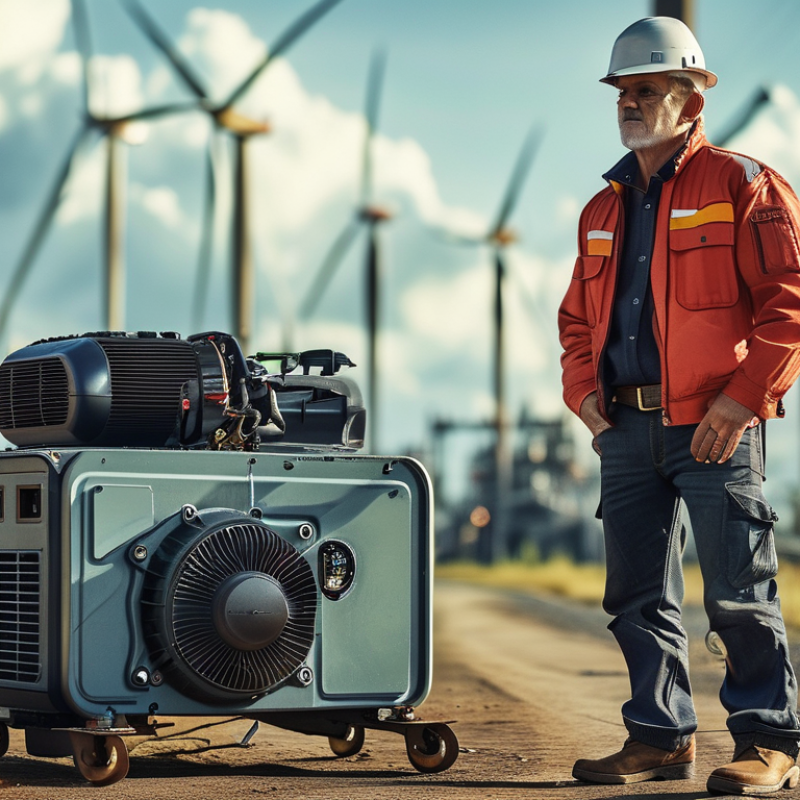
Understanding Different Types of Electric Generators Available in the Market
When selecting an electric generator, it's crucial to understand the different types available. Portable generators are versatile and easy to move. They are ideal for camping, tailgating, or emergency power. These units typically run on gasoline and are often less powerful than other types. Users should consider their wattage needs before purchasing.
In contrast, standby generators automatically turn on during a power outage. They connect directly to a home's electrical system. These generators usually run on natural gas or propane. They provide a seamless power supply but come with higher installation costs. Assessing your power requirements is essential to ensure you choose the right size.
Inverter generators offer stable power for sensitive electronics. They are quieter and more fuel-efficient. However, they generally have lower output compared to conventional types. Remember to check the noise level if you live in a noise-sensitive area. Each type has its pros and cons, and the best choice depends on individual needs and circumstances.
Key Features to Consider When Choosing an Electric Generator
When selecting an electric generator, several critical features must be considered. One of the most important is the generator's power output. Understand your power needs by assessing the wattage requirements of your devices. According to a market report by Statista, most households require around 3500 to 5000 watts for essential appliances. This insight helps ensure you choose a generator that meets your demands without underperformance.
Another key aspect is fuel type. Electric generators primarily run on gasoline, diesel, or propane. Each fuel type has distinct advantages and drawbacks. Gasoline generators offer convenience but can be less efficient. Diesel generators are known for longevity and efficiency, as reported by the International Energy Agency. Propane generators are cleaner but may require more storage space. Research shows that the choice of fuel impacts operational costs significantly.
Noise level is often overlooked but crucial for user comfort. Many generators range from 50 to 75 decibels, which can be disruptive. Consider generators with features like noise reduction technology, which can help improve user experience. This can be particularly important for residential areas or during nighttime use. Reflect on your environment and select a generator that aligns with your noise tolerance.
Evaluating Power Output and Fuel Efficiency for Your Needs
When choosing an electric generator, power output and fuel efficiency are crucial. Understanding your power needs is essential. Calculate the total wattage of the appliances you intend to run. This helps determine the generator size. For instance, a small home might need around 3,000 watts, while a construction site may demand over 10,000 watts.
Fuel efficiency is equally important. Generators consume varying amounts of fuel, depending on their load. A generator running at full capacity uses more fuel. Look for models that offer better efficiency ratings. Sometimes, smaller generators can handle your needs without unnecessary fuel consumption.
Tip: Analyze runtime on a full tank. Knowing how long a generator can operate before refueling can save you time.
Be aware of noise levels too. Some generators can be quite loud. If you plan to use one in a residential area, check decibel levels. Quiet models are available, but they may cost more.
Tip: Read user reviews for insights on reliability and efficiency. Real-life experiences reveal strengths and weaknesses. Trustworthy feedback can guide your choice effectively.
Safety Considerations and Maintenance Tips for Electric Generators
When considering an electric generator, safety should be a top priority. Always place generators outdoors, away from windows and doors. This prevents harmful carbon monoxide buildup. Use a battery-operated CO detector to provide an additional layer of safety. Keep fuel safely stored. Spills can lead to fires, so handling fuel carefully is essential.
Maintenance is another crucial aspect. Regularly check the oil levels and change the oil as needed. Clean air filters can significantly enhance performance. Inspect the generator's connections and wiring for any signs of wear or damage. A little preventive care can extend the lifespan of your generator. It's also wise to test it monthly. This ensures it works when you need it most.
Consider your environment. Noise levels can be a concern, particularly in residential areas. Select models designed to operate quietly. Review local regulations about generator usage. This helps in avoiding potential fines and ensures a harmonious relationship with neighbors. Always have a backup plan, like a manual toggle, in case of emergencies.
Cost Analysis and Market Trends for Electric Generators in 2023
In 2023, the electric generator market reveals intriguing trends and cost dynamics. Global demand continues to rise as businesses and homeowners seek reliable power sources. Factors influencing prices include raw material costs and technological advancements. Supply chain disruptions still play a role in pricing, making it essential for buyers to stay informed about market shifts.
When purchasing, understanding energy needs is critical. Assess the power capacity required for your applications. Larger generators typically come with a higher price tag. Transportation and installation costs can also impact overall budgets. Many consumers are evaluating eco-friendly options, which may lead to higher initial costs but promise long-term savings.
Market trends indicate a shift towards portable and hybrid models. These units appeal to both consumers and contractors. Price variations among models can be significant, driven by features and efficiency ratings. Buyers often overlook warranty options, which can provide significant peace of mind. Overall, these considerations make it crucial to conduct thorough research before making a purchase decision.