Top Tips for Forklift Collision Detection System Success
The importance of a reliable Forklift Collision Detection System cannot be overstated in today's warehouses and industrial settings. According to the Occupational Safety and Health Administration (OSHA), forklifts are involved in about 25% of all warehouse accidents, leading to significant injuries and even fatalities. The implementation of effective collision detection technologies has shown a potential reduction in accidents by more than 70%, highlighting the critical need for robust safety systems.
Moreover, industry reports indicate that organizations investing in advanced forklift safety measures see a decrease in operational downtime and insurance costs. A well-functioning Forklift Collision Detection System can significantly enhance workplace safety and productivity. However, the success of such systems doesn't come automatically; it requires careful consideration and strategic planning.
Operators often overlook the importance of regular maintenance and training in this regard. A system that is not regularly updated or properly understood can lead to complacency, undermining its effectiveness. Future improvements in technology offer exciting possibilities for these systems. However, businesses must reflect on past shortcomings to foster a culture of safety around forklift operations.
Understanding the Importance of Forklift Collision Detection Systems
Forklift collision detection systems are essential in today’s busy workplaces. These systems help prevent accidents that can lead to injuries or fatalities. With the increasing use of forklifts, the risk of collisions is higher than ever. Implementing an effective detection system can significantly enhance workplace safety.
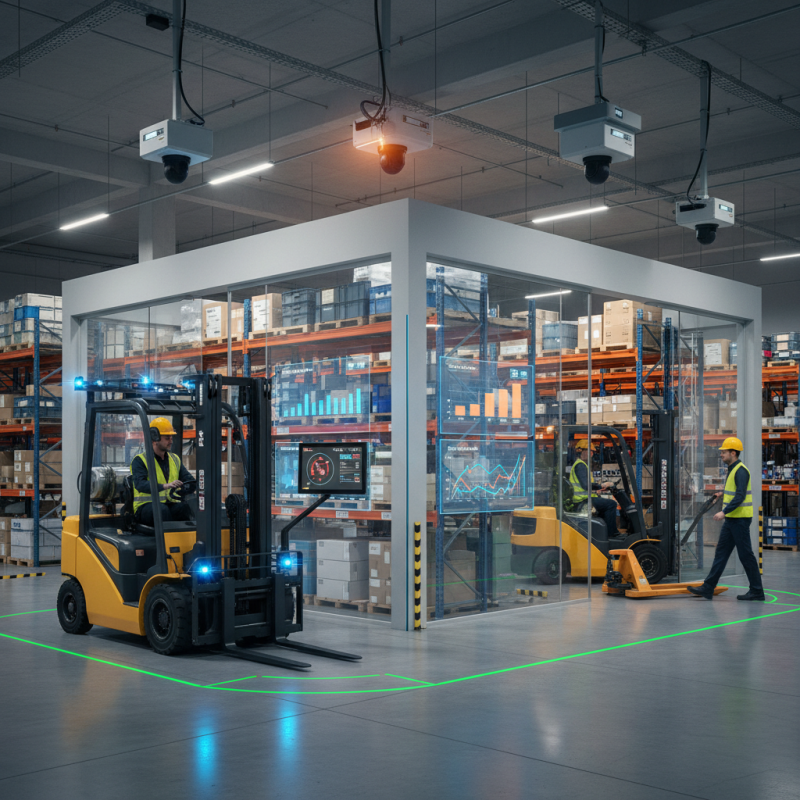
Understanding how these systems work is crucial. They utilize sensors and cameras to monitor the environment around the forklift. When they detect a potential collision, they alert the operator. In some cases, they can even take automated action, like stopping the forklift. However, not all systems are created equal. Some may have blind spots or may delay in recognizing obstacles.
Organizations must also focus on training staff. Proper education ensures that workers understand the system’s capabilities and limitations. They should know how to respond to alerts and understand the importance of maintaining equipment. Regular audits might reveal weaknesses in the system, allowing for improvements. Overall, investing time and resources in collision detection systems can profoundly impact workplace safety.
Key Components of an Effective Collision Detection System
When developing a collision detection system for forklifts, understanding the key components is essential. One of the most critical elements is sensor technology. Proximity sensors, cameras, and LiDAR play a vital role in monitoring the environment. They need to be carefully positioned for maximum effectiveness. Each sensor must be calibrated to detect obstacles with precision. It’s important to ensure a comprehensive coverage area to avoid blind spots.
Another significant component is the software that processes sensor data. This software must be reliable and fast, allowing for real-time analysis. Algorithms should be designed to identify potential collisions and initiate preventive measures. Ensuring this software integrates seamlessly with existing systems is also crucial. If it fails to communicate with other operational tools, the entire system’s effectiveness diminishes.
Training is another vital aspect often overlooked. Operators must understand how to use the system effectively and respond to alerts appropriately. Without proper training, the best technology may still result in accidents. Engaging with employees can lead to continuous improvement in safety practices. Regular feedback and updates are key to refining the system. Balancing technology with human awareness often reveals areas for reflection and growth.
Best Practices for Implementing a Collision Detection System
Implementing an effective collision detection system for forklifts is paramount in enhancing workplace safety. According to the National Safety Council, forklift accidents cause over 7,000 injuries annually in the U.S. alone. Organizations must prioritize the integration of advanced technologies to minimize these occurrences. Using radar, ultrasonic, or camera systems can significantly enhance detection efficiency. Ensuring that employees are trained on these technologies is equally important.
Data from the Occupational Safety and Health Administration (OSHA) suggests that 25% of forklift accidents occur due to poor visibility. This highlights the necessity for collision detection systems that compensate for limited sightlines. A common pitfall is neglecting regular system maintenance. Like all equipment, these systems require periodic checks to ensure they function correctly. Real-time monitoring can also provide valuable insights into operational efficiency and potential hazards.
Investing in a collision detection system requires a clear understanding of your environment. Every facility has unique challenges. What works in one setting may not be effective in another. Engage employees in the decision-making process. Their insights can lead to better adoption and greater success. Cultivating a safety culture starts at the top and involves everyone. A tailored approach ensures the system meets specific needs, ultimately saving lives and reducing costs.
Forklift Collision Detection System Performance Metrics
Training Staff on Collision Detection Awareness and Response
Training staff on collision detection awareness is vital for workplace safety. Employees should fully understand how forklift collisions can occur. Regular training sessions must cover real-life scenarios. Incorporating interactive elements can enhance learning. This helps staff recognize potential hazards in their environment.
Hands-on drills offer great benefits. Workers can practice using collision detection systems in controlled settings. This builds confidence and prepares them for real situations. Encourage staff to speak up about their experiences. Their insights can reveal blind spots in training programs.
Fostering a culture of safety is essential. Staff must feel responsible for their surroundings and their colleagues. Frequent refresher courses can keep everyone informed and engaged. Continuous learning prevents complacency. Creating open lines of communication will enhance collaboration. This is crucial for improving safety measures and responses.
Monitoring and Evaluating System Performance and Effectiveness
Effective monitoring and evaluation are crucial for the success of a forklift collision detection system. Without continual assessment, identifying weaknesses becomes difficult. Regular audits can highlight areas needing improvement. For example, unexpected blind spots might go unnoticed during initial setup. That’s why consistent performance checks are essential.
Data analytics play a vital role. By analyzing incident reports, you can uncover patterns that warrant attention. Discrepancies between reported near-misses and actual data can point to gaps in the system. This may indicate a need for better training or adjustments to the system. Regular feedback from operators also provides valuable insights.
Adjustment should be frequent and based on real-world usage. Collaborating with a team for shared experiences can reveal both successes and failures. If employees find the system cumbersome, its effectiveness decreases. Design feedback sessions to encourage open communication about the system's usability. This will ultimately enhance its performance.