Why Invest in an AED Training Machine for Your Business?
In today's fast-paced work environment, the importance of safety equipment cannot be overstated. Sudden cardiac arrests occur unexpectedly, affecting thousands annually. According to the American Heart Association, about 475,000 people die from such incidents each year in the U.S. Investing in an AED Training Machine can make a crucial difference in emergency preparedness.
Businesses must prioritize employee training to enhance survival rates. A well-equipped workplace, with trained staff, can respond effectively. Research indicates that early defibrillation can increase survival rates by up to 70%. Nonetheless, many companies neglect this essential investment. This oversight may stem from misconceptions about costs or the belief that such events won't happen to them.
Choosing the right AED Training Machine is vital. It not only equips employees with life-saving skills but also fosters a culture of safety and readiness. While it may seem like an extra expense, the potential benefits far outweigh the costs. The investment pays off when lives are saved and workplace morale improves. Reflecting on this, businesses should consider how prepared they truly are.
Benefits of Having an AED Training Machine in the Workplace
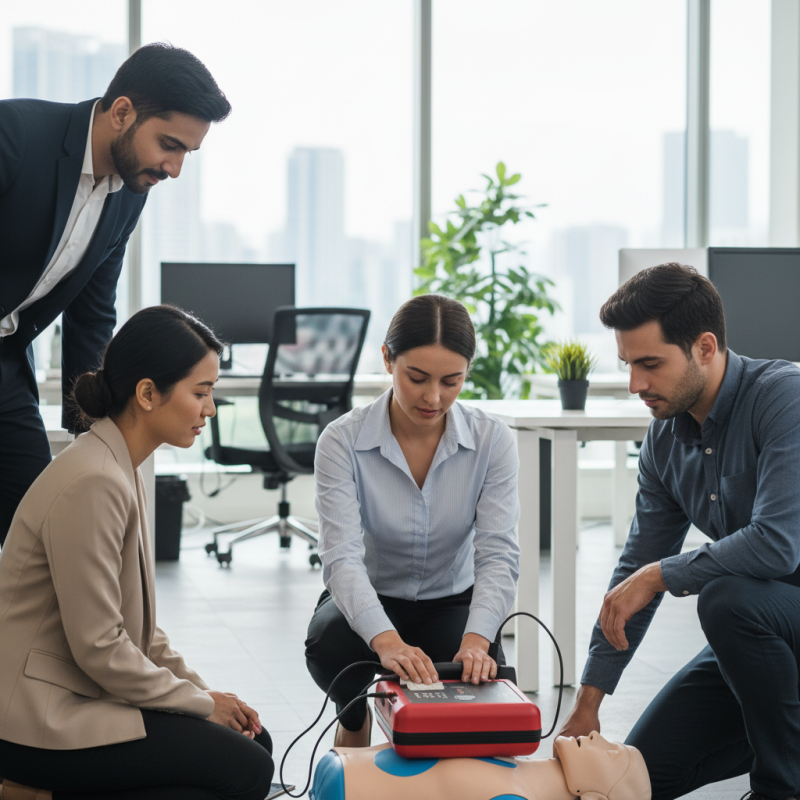
An AED training machine can be a game-changer in the workplace. It equips employees with vital skills to respond in cardiac emergencies. These machines simulate real-life scenarios, allowing staff to practice CPR and defibrillation safely. With regular training sessions, employees become confident in their abilities. This preparedness can save lives when every second counts.
Additionally, having an AED training machine fosters a culture of safety. It shows that a company values the well-being of its employees. When people feel safe, morale improves. They may even become more engaged. This investment can enhance teamwork as employees learn to rely on one another during emergencies.
However, it is crucial to remember that training is not a one-time event. Regular refreshers and drills are necessary to maintain skills. Employees, regardless of their experience, may forget techniques over time. Creating a consistent training schedule ensures everyone stays proficient. Investing in an AED training machine is not just about having the device; it’s about building a knowledgeable, prepared workforce.
Understanding the Importance of CPR and AED Training for Employees
Cardiopulmonary resuscitation (CPR) and automated external defibrillator (AED) training are vital for employee safety. In emergencies, every second counts. Having trained staff can mean the difference between life and death. An AED can restore a normal heart rhythm during a cardiac event. However, without training, employees may hesitate to use it. This gap can lead to tragic outcomes.
Investing in an AED training machine underscores your commitment to health and safety. It equips employees with essential skills. Regular hands-on practice helps reinforce their confidence. Yet, many may feel anxious about performing CPR. This hesitation can stem from a lack of hands-on experience. Offering consistent training sessions can help combat this anxiety.
Creating a safety culture is more than compliance with regulations; it's about readiness. Knowing CPR and how to use an AED empowers staff. But does your team feel comfortable in emergency situations? Reflecting on this can lead to a safer workplace. Regular training fosters teamwork and preparedness. The real question is, how prepared is your business for a health crisis?
Cost-Effectiveness of Investing in AED Training Machines
Investing in an AED training machine can be a significant decision for any business. Studies show that having trained employees equipped with lifesaving skills can reduce mortality rates during cardiac emergencies by up to 50%. The return on investment for AED training extends beyond safety; it fosters a culture of preparedness that employees appreciate.
The cost-effectiveness of AED training machines becomes evident when considering workplace implications. Training one employee may range from $200 to $400. However, with the potential for saving lives, this investment pays off quickly. According to the American Heart Association, every minute without CPR can decrease survival rates by 10%. This urgency emphasizes the need for immediate response capabilities.
Moreover, some workplaces may face fines or liability issues if they lack the proper safety measures. An AED training machine not only helps avoid those costs, but also enhances employee morale. Community perception improves when a business is seen as proactive in ensuring safety. Investing in AED training machines is not just about complying with regulations; it’s about creating a safe work environment that values employee lives.
Enhancing Workplace Safety and Emergency Preparedness
Investing in an AED training machine is a decisive step in enhancing workplace safety and emergency preparedness. Sudden cardiac arrest (SCA) can occur anywhere, with over 350,000 cases reported annually in the United States alone. Many victims may have a higher chance of survival if a defibrillator is applied within minutes. Training employees in the use of these machines can empower them to act quickly in emergencies.
Moreover, studies show that workplaces with AED programs can significantly improve survival rates. According to the American Heart Association, the survival rate can rise to 74% with immediate defibrillation. This stark statistic highlights the importance of being prepared. However, many businesses overlook the need for regular training and maintenance of AED devices. This gap can lead to a false sense of security among employees and contribute to hesitation during a crisis.
While having an AED on-site is crucial, ensuring staff are trained is equally important. Regular drills and refreshers can mitigate the chance of panic in emergencies. Reports indicate that only 50% of employees feel confident in using an AED. This underlines the need for continuous education. A well-implemented training program not only increases confidence but also fosters a culture of safety. Offering training sessions can instill a sense of responsibility and readiness across the workforce.
Promoting a Health-Conscious Company Culture Through Training
Investing in an AED training machine can significantly enhance a business's commitment to health. Promoting a health-conscious company culture is vital. Not only does it show care for employees, but it also creates a safer work environment. A well-trained team can act quickly during emergencies. This can ultimately save lives.
Implementing AED training can be a challenge. Despite good intentions, employees may hesitate to participate. Here are some tips to encourage involvement:
- Create an engaging environment. Offer hands-on practice sessions.
- Share real-life scenarios. This makes training relatable and urgent.
- Highlight the importance of AEDs. Knowledge can empower staff to act.
A health-focused culture also drives team morale. When employees feel safe, they become more productive. They are likely to work harder and foster teamwork. However, ongoing training is often neglected. Companies must prioritize regular refreshers. It is essential to keep skills sharp and ensure everyone feels capable. A few hours of training per year can lead to a more confident and responsive team.
Why Invest in an AED Training Machine for Your Business?
| Aspect | Details |
| Safety Preparedness | Having an AED training machine prepares employees for emergency situations and can save lives. |
| Compliance | Meets health and safety regulations, ensuring the workplace is compliant with local laws regarding emergency equipment. |
| Employee Confidence | Training employees with real AED machines enhances their confidence in handling emergencies. |
| Company Reputation | Promoting a health-conscious culture can improve the overall reputation and morale of the company. |
| Cost Savings | Investing in training can reduce costs associated with workplace accidents and increase employee retention. |
| Training Effectiveness | Realistic training scenarios increase the likelihood that employees will act effectively during an actual emergency. |