What Are Magnet Zippers and How Do They Work?
Magnet Zippers are changing how garments, bags, and medical accessories open and close. They use small permanent magnets inside zipper sliders, tape ends, or adjoining closure parts. When the two sides approach, magnetic attraction guides them together. A gentle pull then separates them. The action feels almost automatic.
The global zipper market reflects strong demand for faster and more convenient closures. Grand View Research has estimated the market at approximately USD 16 billion in 2023, with continued growth expected through 2030. Its analysis connects this expansion with apparel, luggage, footwear, and technical textile applications. These figures describe zippers broadly, not Magnet Zippers specifically. That distinction matters. Public market data remains limited for magnetic systems alone.
Textile Exchange’s Materials Market Report also highlights rising attention to durability, material efficiency, and product life cycles. Magnet Zippers may support easier handling, especially for users with limited dexterity. However, convenience does not automatically prove sustainability. The magnets, coatings, slider materials, and assembly methods still require careful evaluation. A lighter closure can reduce effort, yet it may create new recycling challenges.
Small magnets. Strong guidance.
This article explains their internal structure, magnetic attraction, alignment, and release process. It also considers practical factors, including pull strength, accidental opening, wash performance, corrosion resistance, and compatibility with nearby electronic components. Manufacturer testing remains essential because performance varies by design. Industry reports offer useful context, but hands-on testing reveals the details users actually notice: a clean snap, a smooth release, and a closure that stays secure during movement.
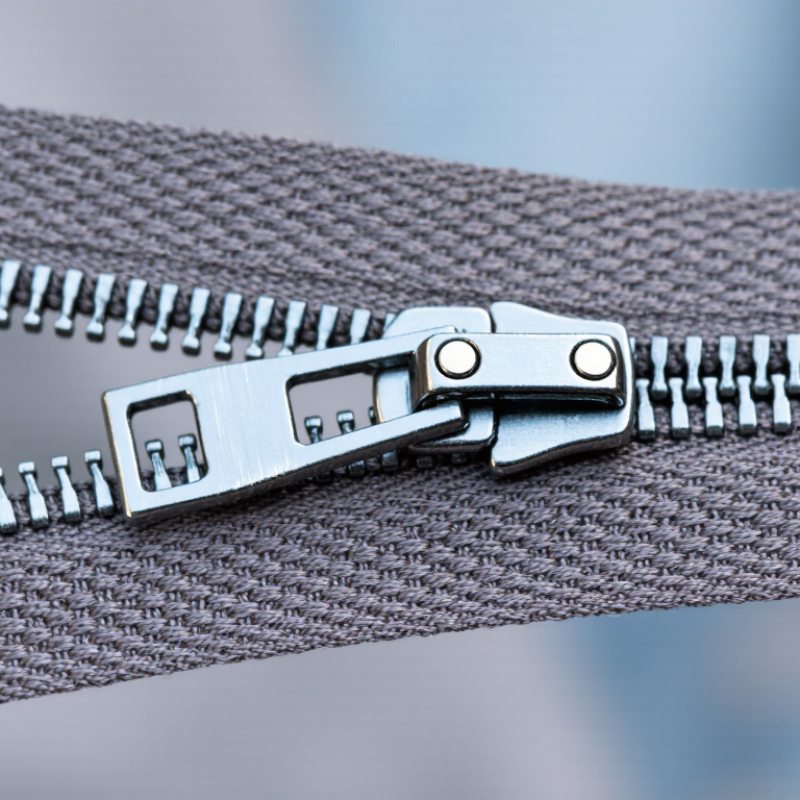
What Are Magnet Zippers and What Makes Them Different?
What Are Magnet Zippers and What Makes Them Different?
A magnet zipper uses small magnets to guide two garment edges together. Unlike a conventional zipper, it may not rely on interlocking teeth along the full closure. The magnetic parts help align the edges, while a slider or fabric channel may secure them. The exact design varies. Some closures feel smooth and quick; others can separate under a sideways pull. That difference matters on a jacket hem or a bag carrying a heavy water bottle.
The appeal is easy handling. A person can bring the edges close and let the magnets assist alignment, even with cold fingers. Yet magnets do not automatically make a closure stronger or more durable. The McKinsey and Business of Fashion State of Fashion 2024 report projected 2–4% growth for the global fashion industry in 2024, underscoring the competitive market for practical product features. That figure describes industry growth, not zipper performance. Buyers should still check construction, wash-care guidance, and independent strength-test results.
Tips: Test the closure with the actual fabric weight. Pull sideways, then open and close it several times. Keep magnets away from items that may be affected by magnetic fields, and inspect stitching around each attachment point. Small details matter. A slightly misaligned magnet can make a clever fastening feel frustrating.
How Magnetic Zippers Are Designed and Constructed
A magnetic zipper is built around two flexible tapes that meet along a garment or bag opening. Small magnets sit inside molded or sewn carriers attached to each tape. Their poles are arranged so opposite sides attract when the edges approach. The magnets guide the halves into alignment and hold them together.
A quiet click.
The carrier’s shape matters. It must protect the magnets while leaving enough movement for fabric to bend. Designers may use coated magnets and sealed pockets to reduce moisture exposure, though performance depends on materials and construction. Along the length, evenly spaced magnetic elements help prevent gaps; closer spacing can improve closure but may add weight and stiffness. The ends need careful treatment, too. Stops or reinforced sections keep the tapes from shifting apart during use.
Construction also involves attaching the tapes without twisting them. A slight mismatch can make the zipper pull unevenly or leave a visible opening. In samples, I would check closure force, repeated flexing, and how the edges behave on thick fabric. A prototype can feel secure on a table yet separate when the material curves around a body. That is an easy detail to miss. The magnets provide alignment, but the tape, stitching, and end design determine whether the closure remains practical.
How the Magnetic Closing Mechanism Works Step by Step
A magnet zipper usually has two flexible edges fitted with narrow magnetic strips. In some designs, small magnetic sections sit beside interlocking profiles. The parts are sewn into fabric channels, which keep them aligned while allowing the garment or bag to bend. Details vary by product, so not every magnetic closure works in exactly the same way.
To close it, bring the two edges near each other. The magnets begin attracting across the small gap. Their pull guides the sides into position, and the profiles or edges meet along the length. Click. The magnetic force then helps keep the closure shut during ordinary movement. To open it, pull the edges apart; the magnetic connection releases progressively rather than all at once. This can feel smooth, though fabric stiffness and magnet spacing affect the experience. I find that alignment matters more than expected. If the edges twist or collect lint, the closure may not sit evenly. Magnets hold the meeting line, but they cannot correct poor stitching or damaged fabric.
What Are Magnet Zippers and How Do They Work? — The Magnetic Closing Mechanism, Step by Step | Step or Feature | What Happens | Role of the Magnets | Practical Result |
| 1. Two edges approach | The two sides of the fastening are brought near one another. The construction may use magnetic elements attached to the zipper tapes or incorporated into a specialized closure. | Opposing magnetic elements attract when they are close enough and correctly oriented. | The edges tend to move toward alignment, making the opening easier to position. |
| 2. The edges self-align | As the sides meet, the magnetic attraction helps bring corresponding parts into line. | The magnets provide a guiding force; they do not necessarily perform the same job as the slider or interlocking teeth. | Starting the closure can require less precise hand positioning than with some conventional zippers. |
| 3. The closure engages | Depending on the design, a slider may bring zipper elements together, or magnetic components may form the closing action themselves. | Magnets may assist engagement or hold the edges together. Their exact function varies by product design. | The opening closes through the design’s intended fastening mechanism—not through one universal magnet-zipper layout. |
| 4. The closure stays together | When closed, the fastening resists ordinary separation until the user pulls the sides apart or operates the slider, if present. | Magnetic attraction helps keep the edges together. In zipper designs with teeth or coils, those elements can also contribute to the mechanical connection. | The closure remains shut under suitable everyday conditions, but holding strength depends on the design and materials. |
| 5. The user opens it | The user separates the edges or moves the slider to disengage the fastening. | Pulling the sides apart overcomes the magnetic attraction; a slider-operated design may also separate the interlocking elements. | The closure can be reopened and used again, subject to its construction and care instructions. |
| Common components | A design may include zipper tapes, a slider, teeth or coils, and magnetic elements. Not every magnetic closure includes all of these parts. | Permanent magnets create attraction without needing an electrical power supply. | The term “magnet zipper” can describe different magnetic-assisted or magnetic-closing designs. |
| Important limitation | Magnetic attraction can be affected by spacing, alignment, the size and arrangement of the magnets, and materials between them. | Magnets do not automatically make a closure waterproof, airtight, or suitable for every load. | Performance depends on the specific product; follow its use and care instructions. |
Common Types and Applications of Magnet Zippers
What Are Magnet Zippers and How Do They Work?
Magnet zippers use small permanent magnets to guide and secure a closure. Their poles attract when the two sides meet. The zipper may also include teeth, fabric tape, or a flexible waterproof seal. In some designs, magnets only help the ends align. In others, they replace the usual slider action. The pull is subtle. This difference matters when comparing products.
Common types include magnetic snap zippers, concealed magnetic zippers, separating zippers, and sealed versions for outdoor use. Magnetic snap styles suit handbags, pockets, and light jackets. Concealed models create a cleaner appearance on coats, cushions, and fashion accessories. Separating designs work well on removable covers and front-opening garments. Waterproof versions can protect tools, clothing, or travel equipment from splashes. However, “waterproof” may describe the zipper only, not the complete product.
Applications depend on load, fabric thickness, and washing conditions. Bags often benefit from quick one-handed opening. Jackets can use magnetic closures where speed matters more than strong mechanical locking. Adaptive clothing may use them to reduce hand strain, though careful testing remains necessary. Magnets can collect metal dust, lose alignment, or feel weak through thick fabric. A practical check is simple: open and close the zipper repeatedly, then inspect the stitching and seal. My own preference is not always the best guide. A smooth first impression can hide poor durability. Manufacturers should also test corrosion resistance, pinch points, and performance after laundering.
Advantages, Limitations, and Care Considerations
Magnet zippers use paired magnetic strips or small magnetic units to guide two sides together. As the teeth or edges approach, magnetic attraction helps them align and close. A slider may still secure the connection, depending on the design. This system can feel smoother than a traditional zipper. It is especially useful for coats, bags, and adaptive clothing. One-handed closing becomes easier.
The main advantage is convenience. Magnetic closure reduces fumbling when fingers are cold, wet, or less mobile. It also distributes closing force along several contact points. However, magnets are not automatically stronger. Heavy contents can pull the sides apart. Fabric tension, dust, and poor alignment may weaken the seal. Strong magnets can also attract metal objects unexpectedly. That trade-off is easy to underestimate. Test the zipper with the intended load.
Care requires gentle handling. Keep the closure free from lint, sand, and thread fragments. Wipe it with a dry, soft cloth after outdoor use. If moisture reaches the zipper, let it dry fully before storage. Avoid forcing the slider across a misaligned section. Pulling too hard may stretch the fabric or dislodge magnetic components. Washing instructions vary, so check the garment’s care label. Some magnets tolerate normal washing, while heat and harsh chemicals may damage nearby coatings or adhesives. A small repair may be possible, but replacement is sometimes more reliable. Handle with patience.
What Are Magnet Zippers and How Do They Work?
Magnetic zippers use opposing or attracting permanent magnets to help align and close the zipper halves. The chart compares common permanent-magnet materials by representative maximum energy product and Curie temperature, two properties that influence magnetic strength and heat resistance in closure components.
Representative material values: maximum energy product is shown in megagauss-oersteds (MGOe), while Curie temperature is shown in °C. Actual zipper performance depends on magnet size, spacing, housing, fabric tension, and construction quality.