What is Medical Device PCBA and Why is it Essential?
The field of Medical Device PCBA (Printed Circuit Board Assembly) plays a crucial role in modern healthcare. According to a report by Grand View Research, the global market for medical device PCBA is projected to reach USD 8.27 billion by 2026. High-quality PCBAs are vital for ensuring the reliability and functionality of medical devices, which directly impacts patient safety and treatment outcomes.
Dr. Emily Carter, a leading expert in the medical electronics industry, emphasizes, "The integrity of Medical Device PCBA can mean the difference between life and death." This underscores the necessity of precise manufacturing processes in creating components that meet rigorous safety standards. However, not all manufacturers adhere to these standards, leading to potential issues in quality that could jeopardize patient health.
While advancements offer exciting potential, they also bring challenges. Ensuring compliance with regulatory requirements while innovating technology is complex. The industry must focus on continuous improvement. Failure to address these challenges could result in subpar devices. Thus, understanding Medical Device PCBA is essential for all stakeholders committed to advancing healthcare.
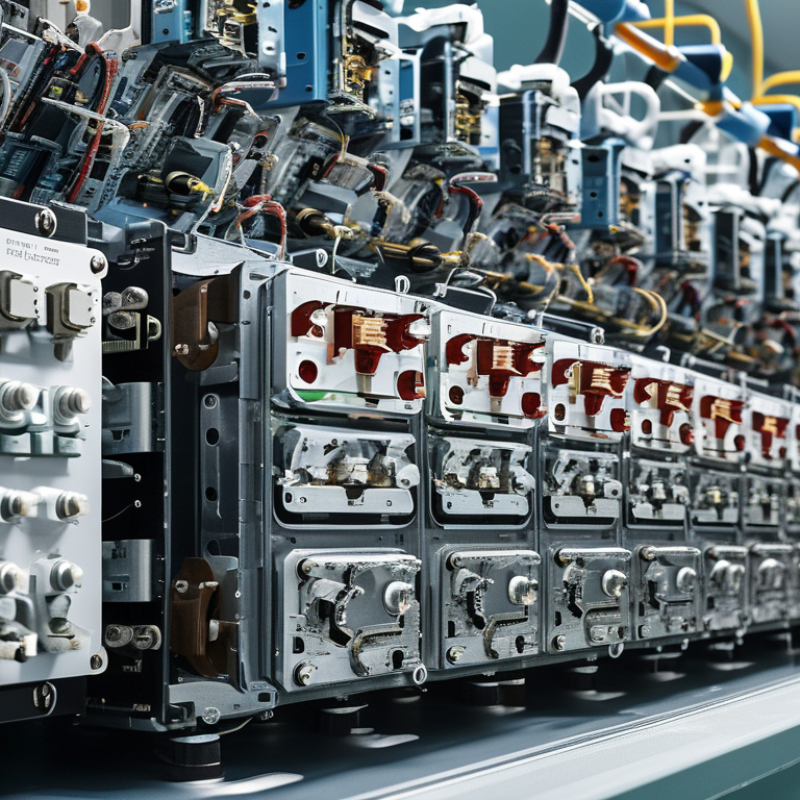
Understanding Medical Device PCBA: Definition and Components
Medical Device PCBA, or Printed Circuit Board Assembly, plays a crucial role in the healthcare industry. These assemblies are vital for the functionality of medical devices, serving as the backbone that connects various components. In 2021, the global medical device market reached approximately $478 billion, with PCBA technology being a significant contributor to this growth. High standards are essential, as even minor flaws can lead to device failures.
Understanding the components of Medical Device PCBA is critical for ensuring safety and performance. A typical assembly includes the circuit board, microcontrollers, sensors, and connectors. Together, these elements must function flawlessly. The accuracy of these components can affect diagnostic tools, monitoring systems, and therapeutic devices. Faulty PCBAs can result in incorrect readings or device malfunctions. A recent study indicated that up to 30% of medical device recalls were linked to issues in their electronic components.
The validation process for PCBA in medical devices requires rigorous testing and certification. Compliance with regulatory standards is not just a recommendation; it is a necessity. However, many companies struggle with this complexity. Inadequate documentation or testing may lead to delays and increased costs. Continuous improvement is essential. The industry must embrace advanced technologies to enhance the reliability of PCBAs, ensuring better patient outcomes in the future.
The Role of PCBA in Medical Devices: Functionality and Purpose
PCBA, or Printed Circuit Board Assembly, serves as the backbone of medical devices. This intricate component connects essential electronic parts. It ensures seamless communication between systems within the device. Every detail in PCBA directly impacts device performance.
In medical applications, reliability is paramount. A malfunctioning PCBA can lead to dire consequences. Thus, rigorous testing and quality control are necessary. Engineers often face challenges in maintaining standards. They must balance innovation with safety. There's constant pressure to integrate advanced features without compromising reliability.
The functionality of PCBA extends beyond basic operations. It also plays a role in patient monitoring and diagnostics. For instance, in wearable devices, PCBA manages or transmits critical health data. However, adapting PCBA for specialized medical needs can be complex. Engineers continuously refine designs to meet evolving medical standards. This ongoing process highlights the importance of experience and expertise in the field.
Key Benefits of Using PCBA in Healthcare Technology
The integration of Printed Circuit Board Assembly (PCBA) in healthcare technology plays a critical role. PCBA serves as the backbone of many medical devices, impacting their reliability and functionality. According to the Market Research Future report, the global medical device PCB market is projected to reach $11.6 billion by 2025. This growth highlights the increasing reliance on complex electronic systems in medical applications.
Utilizing PCBA offers significant advantages. It enables miniaturization, reducing device size without compromising performance. Hospitals benefit from portable devices that enhance patient monitoring. A report from Allied Market Research stated that 73% of medical professionals prefer compact devices for ease of use. However, the implementation of PCBA is not without challenges. Designing for biocompatibility and reliability in harsh environments requires careful engineering.
Additionally, the agility provided by PCBA streamlines the production process. Faster turnaround times allow for rapid prototyping and testing. This accelerates innovation in healthcare technology. Nonetheless, the complexity of assembling high-density circuits can lead to faults. Manufacturers must invest in quality control measures. Striking a balance between rapid development and stringent safety standards remains a critical area for improvement.
What is Medical Device PCBA and Why is it Essential? - Key Benefits of Using PCBA in Healthcare Technology
| Key Benefits | Description | Impact on Healthcare |
| Reliability | PCBA processes ensure high-quality and consistent performance. | Enhances the trust in medical devices among healthcare professionals. |
| Cost-Effectiveness | Optimized production processes reduce manufacturing costs. | Allows for more affordable healthcare solutions for patients. |
| Customization | Flexibility in design meets specific clinical needs. | Improves patient outcomes through tailored medical solutions. |
| Speed to Market | Streamlined processes facilitate rapid development. | Ensures that innovative solutions reach healthcare providers faster. |
| Regulatory Compliance | Adheres to strict industry standards and regulations. | Protects patients and enhances device reliability in medical environments. |
Regulatory Standards and Compliance for Medical Device PCBA
Regulatory compliance is crucial for medical device PCBAs. These components must adhere to strict standards set by organizations like the FDA and ISO. The FDA’s Quality System Regulation (QSR) mandates that manufacturers establish a quality management system. This ensures not only the safety of devices but also their effectiveness in clinical use. Reports indicate that nearly 70% of medical device recalls are linked to design flaws or compliance issues.
Meeting ISO 13485 is often necessary for manufacturers. This standard focuses on a quality management system specifically for the medical device industry. Compliance guarantees that products consistently meet regulatory requirements, enhancing patient safety. Interestingly, a survey from MedTech Europe revealed that about 80% of companies struggle with compliance challenges. This highlights the need for skilled professionals who understand regulatory frameworks.
PCBAs often face scrutiny during audits. Any deviation can lead to costly consequences. Effective documentation practices are vital. Some manufacturers overlook this, resulting in violations. Suppliers must maintain transparency throughout the production process. Establishing a collaborative relationship with PCB suppliers can mitigate risks. Compliance is not just a checkbox; it’s integral to the trustworthiness of medical devices.
Future Trends and Innovations in Medical Device PCBA Development
The landscape of medical device PCBA (Printed Circuit Board Assembly) is rapidly evolving. Innovations are shaping the future of healthcare technology. These advancements focus on enhancing patient care and streamlining manufacturing processes. Miniaturization is a key trend, enabling smaller devices with greater capabilities. This allows for more portable and user-friendly medical devices.
Emerging technologies, like AI and IoT, are integrating into PCBA development. They enhance data collection and improve diagnostics. These innovations also create challenges. Ensuring data security becomes paramount as devices become interconnected. Manufacturers must navigate these complexities carefully.
Sustainability is another important consideration. Eco-friendly materials are gaining traction in PCBAs. This trend reflects a growing commitment to environmental responsibility. However, sourcing these materials can sometimes pose logistical difficulties. Manufacturers are challenged to balance innovation with sustainable practices.
Trends in Medical Device PCBA Development