What Is a Micro Spy Camera for Legal Security Monitoring?
A Micro Spy Camera is a compact camera used to monitor a specific security concern, such as an entryway or equipment cabinet. Small size does not make monitoring automatically appropriate. The purpose should be clear, the placement carefully chosen, and access limited to authorized people. A lens beside a staff entrance may support a documented safety plan; a camera aimed at a private space crosses an important boundary. Details matter.
Security technologist Bruce Schneier’s reminder offers a useful starting point: “Security is a process, not a product.” A camera alone cannot ensure safety. Review who can view recordings, how long footage is retained, and whether clear notices or consent are required. Rules differ by location, so check applicable laws before installation. Keep the device visible where practical, avoid sensitive areas, and use strong account security. Test the field of view in daylight and after dark. A glare on glass can leave a doorway unreadable.
There is no perfect setup. Even a careful plan can miss something. Reassess the camera’s purpose and placement when conditions change, and remove it when monitoring is no longer needed. Responsible security depends on proportionality, transparency, and regular review—not simply on choosing the smallest device.
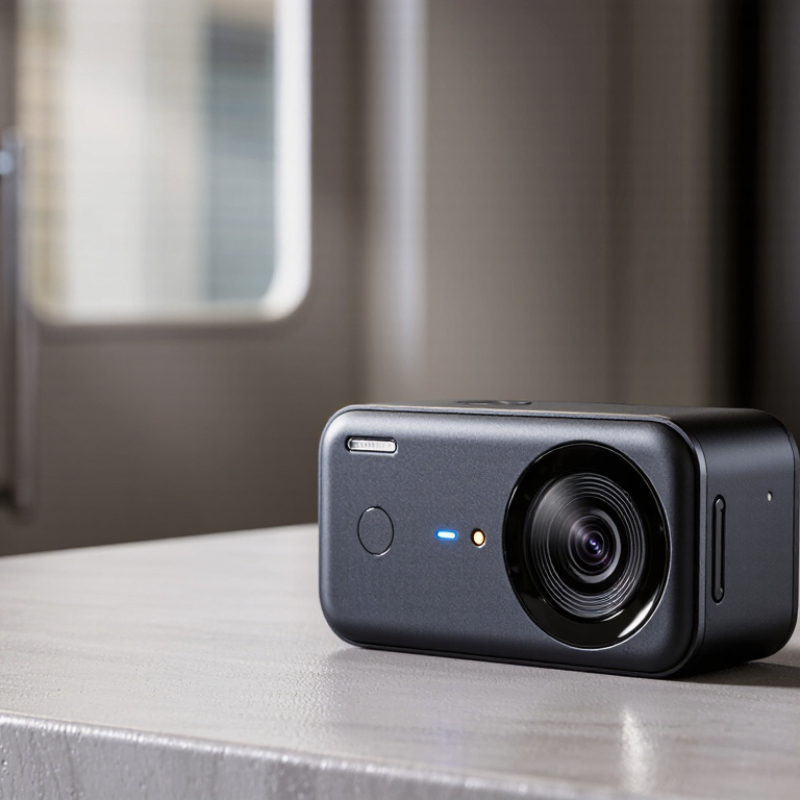
Definition and Scope: Micro Cameras in Lawful Security Monitoring
A micro camera is a compact imaging device used to capture video in a limited area. Its small size can suit discreet, practical monitoring, such as checking an authorized entrance or equipment room. Size is not permission. The purpose, location, and handling of footage determine whether its use is appropriate and lawful.
For legitimate security monitoring, define a clear purpose before installation. Use the least intrusive camera placement that can meet it, and provide notice where required. Cameras should not cover spaces where people reasonably expect privacy, such as washrooms or changing areas. Context matters. Rules vary by location, so organizations should check applicable privacy and workplace requirements rather than assume one setup is acceptable everywhere.
Good practice continues after recording. Limit access to named staff, secure stored footage, and delete it when it is no longer needed for the stated purpose. A test view can reveal details easy to miss: a neighboring doorway, a computer screen, or more of a corridor than intended. Even a carefully planned setup may feel intrusive to staff or visitors. That reaction deserves attention, not dismissal. Regularly review camera placement, notices, and retention settings as the site changes.
What Is a Micro Spy Camera for Legal Security Monitoring?
Definition and scope: A micro camera is a compact video camera. Its small size does not change the rules that apply to recording: monitoring should have a lawful purpose, be transparent where required, and respect privacy.
The chart compares three counts in the EU General Data Protection Regulation (GDPR): its 7 data-protection principles, 6 lawful bases for processing, and 8 commonly listed data-subject rights. These are counts of legal framework elements—not permissions to record. Requirements vary by jurisdiction and situation.
Image Quality Metrics: 1080p Equals 1,920 × 1,080 Pixels
For a compact security camera, 1080p means 1,920 × 1,080 pixels, or about 2.07 million pixels per frame. These dimensions describe the image grid, not the detail you will always see. A clean lens and steady mounting matter. So does light. In a dim hallway, noise reduction can soften small features, even when the file still reports 1080p. A test recording near the intended location is more useful than a specification sheet alone. Check whether door labels and general movement remain clear from the actual viewing distance.
Compression and frame rate also affect usable footage. Strong compression may blur a moving hand or turning face; a higher frame rate can make motion smoother but may use more storage. Keep expectations modest. Record only areas you are authorized to monitor, and avoid private spaces. Review a short clip on the screen used for routine checks, not only on a large computer monitor. I might still miss a detail. That is a useful warning: resolution is one measure, not a promise of identification. Retain recordings only as long as the security purpose requires, following applicable rules.
System Planning: IEC 62676-4 Guidance for Video Surveillance
What Is a Micro Spy Camera for Legal Security Monitoring?
System Planning: IEC 62676-4 Guidance for Video Surveillance
A small security camera is only useful when it serves a clearly defined, lawful purpose. IEC 62676-4 offers application guidance for planning video surveillance systems, from assessing risks to selecting suitable coverage. Start with the actual site: a narrow storeroom entrance, a dim corridor, or a delivery counter may each need different camera placement and image detail. Small details matter. A camera should not capture private areas or more personal information than the task requires.
Plan around the image needed, not the smallest device available. Identify where people or objects must be recognized, then check viewing angles, lighting, and likely obstructions. A camera tucked behind shelving may look discreet but produce a poor image. Night lighting can also create glare on glass. Walk the site at different times, and test recorded footage—not just the live view. One test may not be enough.
Set practical operating rules before installation. Limit access to recordings, define retention periods, and document who reviews footage and why. Provide appropriate notice where required, and confirm local requirements with qualified advice. Keep system settings and maintenance records. Even careful plans miss things; staff feedback and periodic reviews can expose blind spots, unnecessary coverage, or unclear procedures.
Privacy Compliance: Notice, Consent, and Data Minimization
A micro spy camera is a very small camera, but lawful security monitoring should not depend on keeping it secret. Make the device visible where practical, and post a clear notice explaining what it records and why. Keep the wording specific: “This entrance is monitored for security” is more useful than a vague warning. In shared spaces, seek informed consent from people who may be recorded. Requirements vary by location, so check applicable rules before installation. No hidden surprises.
Limit the camera’s view to the area that needs protection, such as a doorway or cash register. A wide angle may capture a neighbor’s window or a worker’s desk by mistake. Disable audio unless there is a clear, lawful need; conversations can be more sensitive than images. Set a short retention period, restrict access to named users, and delete footage that is no longer needed. Keep a simple record of who reviewed it and when. These steps take time. The trade-off is real: tighter settings can miss useful details, while broader recording collects more than necessary. Review the setup regularly and adjust it when the monitored space changes.
Secure Operations: Access Controls, Retention, and Audit Logs
A micro spy camera used for legitimate security monitoring should sit within a clear, documented access plan. Keep viewing permissions limited to named staff who need them for specific duties. Use individual accounts, strong passphrases, and multi-factor authentication where available. Avoid shared logins. They weaken accountability.
Set the camera to record only the area and hours needed for a defined security purpose. Post clear notices where appropriate, and avoid private spaces. Review access permissions when roles change. A small office might allow a facilities manager to review footage, while restricting other staff to system health checks. That distinction matters.
Choose a retention period based on operational needs, then configure automatic deletion and verify it works. Retain an incident clip only through an approved process, with a recorded reason and deletion date. Audit logs should capture who viewed, exported, or changed footage, and when. Review those logs on a regular schedule, not only after an incident. Keep records protected from ordinary users. No setup is perfect; retention rules can be unclear at first. Test them, document exceptions, and correct gaps before they become routine.