An Office Water Dispenser is more than a convenient appliance beside the meeting room. It connects a water source, filtration system, cooling unit, heating element, and dispensing controls. Some models use plumbed-in water, while others rely on replaceable bottles. The difference affects maintenance, operating cost, and workplace hygiene.
The basic process is straightforward. Incoming water passes through one or more filters that may reduce sediment, chlorine taste, or selected contaminants. A compressor cools water in one tank, while a heating element warms another. Users then select chilled, ambient, or hot water through separate outlets. Certain systems also use ultraviolet treatment or reverse osmosis. Performance depends on design, filter condition, and installation quality.
Small details matter.
The World Health Organization’s Guidelines for Drinking-water Quality identify microbial safety, chemical control, and risk management as essential priorities. The WHO/UNICEF Joint Monitoring Programme reported that 2.2 billion people lacked safely managed drinking water in 2022, showing why reliable access remains a serious global concern. In workplaces, however, convenience should never replace verification. NSF International standards, including NSF/ANSI 42 and 58, provide recognized benchmarks for filtration claims and reverse-osmosis systems. Certification does not make every device suitable for every building. Water quality, service records, and local conditions still require attention.
This guide explains what an Office Water Dispenser does, how its internal components work, and where practical limitations appear. It also considers energy use, sanitation, filter replacement, and user safety. The explanation is useful, but not flawless. Real performance can vary, especially when maintenance is delayed or product claims are misunderstood. Reliable choices come from technical documentation, independent certification, and regular servicing rather than attractive features alone.
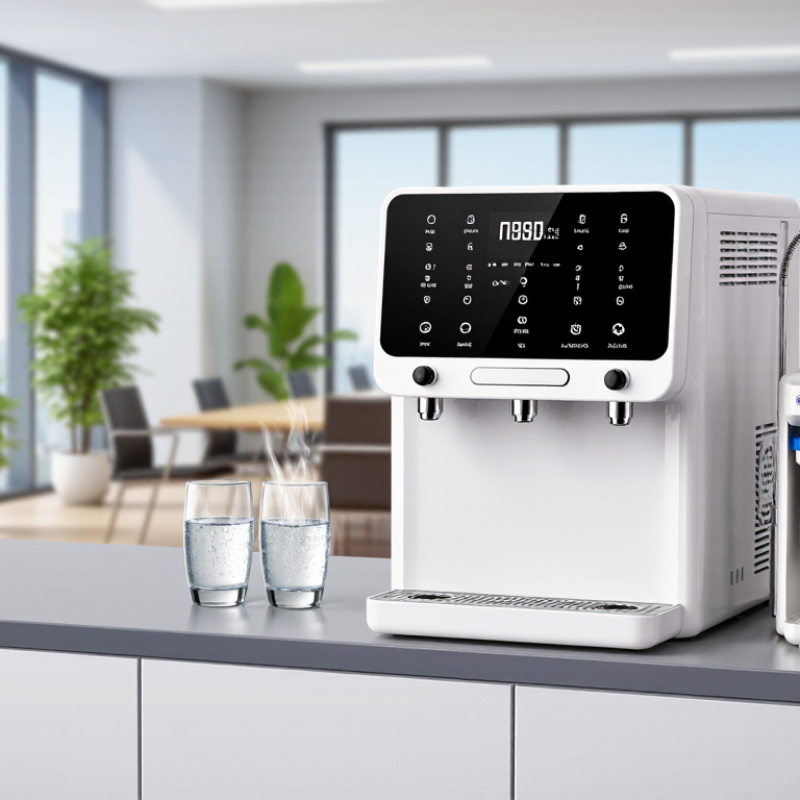
An office water dispenser is a shared appliance that provides drinking water in a convenient workplace location. It may sit near a meeting room, reception area, or staff kitchen. Employees can fill bottles or glasses without using a sink tap. This simple setup supports regular hydration during busy working hours.
Most dispensers use one of two water sources. Bottle-fed models draw water from a replaceable container, while point-of-use models connect to a building’s water supply. A point-of-use unit often passes water through filters that reduce sediment, chlorine taste, and some unwanted particles. Cooling systems then lower the water temperature, while separate heaters provide warm or hot water. Safety locks can help prevent accidental burns.
The machine needs more than a power outlet. It requires cleaning, filter replacement, and careful inspection of the drip tray. Office managers should follow the manufacturer’s maintenance schedule and use qualified technicians when internal parts need attention. Poor maintenance can affect taste and hygiene. That detail is easy to overlook.
A dispenser is not a complete water-quality guarantee. Its performance depends on the incoming supply, filter condition, temperature settings, and cleaning habits. Some offices also keep disposable cups nearby, although reusable bottles usually create less waste. In daily use, the best dispenser is not always the largest one. It is the model that matches staff numbers, available space, and realistic maintenance routines.

What Is an Office Water Dispenser and How Does It Work?
An office water dispenser stores, cools, heats, or filters drinking water. Its internal pump moves water through a reservoir or filter. Cooling systems use refrigerants or thermoelectric modules. Heating systems use an electric element and a thermostat. The control panel then releases water through separate taps. Simple enough, but maintenance determines whether the machine remains hygienic.
What Are the Main Types of Office Water Dispensers?
Bottled dispensers use replaceable containers. They work well where plumbing is limited, but lifting heavy bottles creates handling concerns. Point-of-use, or bottleless, dispensers connect directly to a building’s water line. They commonly use sediment, carbon, or membrane filtration. The U.S. Environmental Protection Agency’s ENERGY STAR program reports that certified water coolers use at least 25% less energy than conventional models. That difference matters in offices running equipment all day.
Countertop dispensers need little floor space. They suit small teams and break rooms. Floor-standing models provide larger reservoirs and stronger output during busy periods. Some units offer room-temperature, chilled, and hot water together. Hot-water locks are important near shared kitchens. The NSF/ANSI 42 and 53 standards help distinguish taste improvement from health-related contaminant reduction. A filter label alone proves little. No type wins every time. A bottled unit may be convenient, while a plumbed model can reduce packaging waste. The overlooked issue is service access. If filters, drip trays, and tanks are difficult to clean, the best specifications lose practical value.
Office water dispensers provide drinking water by cooling, heating, or filtering a water supply. The chart compares the main dispenser types by commonly associated features.
How they work: Bottle-fed units draw water from a replaceable container, while point-of-use units connect directly to a building’s water line. Countertop models are compact versions that may use either a bottle or a plumbed connection. A value of 1 indicates that a feature is commonly associated with the dispenser type; 0 indicates that it is not inherent to that type.
An office water dispenser connects to a refillable bottle or a building’s water line. Its internal system moves water through tubing and a storage tank. Some models use filters to reduce sediment, chlorine taste, and unpleasant odors. Filter performance depends on the cartridge and replacement schedule.
How does an office water dispenser work? When someone presses the cold-water button, a small pump or pressure system sends water toward the outlet. A cooling unit lowers the temperature inside a separate tank. The mechanism resembles a compact refrigerator. For hot water, an electric heating element warms water in another tank. A thermostat controls the temperature and helps prevent constant heating.
Sensors monitor water levels and stop the pump when the tank is empty. Safety switches may also block hot water until a button or lock is released. The process seems simple, but small details matter. A loose connection can cause leaks. An overdue filter can affect taste and flow. In my experience, users often blame the dispenser when poor maintenance causes the problem. That assumption is not always right. Offices should inspect tubing, clean the drip tray, and record filter changes. Water temperature may also vary during busy periods, especially when many people use the machine within minutes.
An office water dispenser provides chilled, room-temperature, or heated water from a connected supply or refillable container. Its safe operation depends on more than simple dispensing. Internal filters can reduce sediment, unpleasant odors, and some unwanted substances. However, a filter is not magic. Its performance depends on the filter type, water quality, and replacement schedule.
Useful safety features include a child lock, insulated hot-water controls, leak detection, and automatic shutoff. A drip tray helps keep floors dry, but it still needs regular emptying. Smooth, food-safe surfaces make cleaning easier and reduce places where residue can collect. In busy offices, a clear water-level indicator prevents unexpected empty containers. Some units also show filter life, which supports more reliable maintenance. Small details matter.
Daily users should check for unusual taste, slow flow, visible leaks, or damaged tubing. These signs should not be ignored. A dispenser may look clean while its internal parts need attention. Cleaning the outlet area is especially important because cups often touch the nozzle. Maintenance records can help staff track filter changes and sanitation tasks. Still, records alone are not enough. The recommended schedule should match the model instructions and local water conditions. Safe convenience comes from dependable design, careful use, and honest attention to what the machine may be telling you.
An office water dispenser provides chilled, heated, or room-temperature drinking water. It usually uses a bottle or a plumbed connection, then controls water flow through internal valves. Regular maintenance keeps the water fresh and protects the machine from scale, leaks, and bacterial growth. Do not wait for an unusual taste or smell.
Clean the dispensing nozzles daily with a clean, food-safe cloth. Wipe the drip tray before water becomes stagnant. Once a week, wash removable parts with mild detergent and rinse them thoroughly. For plumbed units, inspect the inlet hose and connections for moisture or cracks. A qualified technician should sanitize internal lines according to the equipment instructions. Some offices clean too aggressively, which may damage seals or leave chemical residue. That deserves attention.
Tips: Keep cups away from the nozzles. Replace bottles using clean hands. Never touch the outlet directly. Record cleaning dates on a simple checklist. Change filters at the recommended interval, not only when flow slows. Check for odd noises, cloudy water, or repeated leaks. Stop using the dispenser if contamination is suspected, and arrange professional inspection. Maintenance routines are rarely perfect, especially during busy workdays. A short weekly reminder can prevent neglected tasks from becoming expensive repairs.
| Data Dimension | Typical Information | How It Works or Why It Matters | Recommended Maintenance |
|---|---|---|---|
| Main Function | Provides drinking water at room temperature, chilled, heated, or in multiple modes. | The unit stores or receives water and uses cooling or heating components to adjust its temperature before dispensing. | Keep the dispensing area clean and follow the manufacturer's cleaning and sanitation instructions. |
| Water Supply Type | Bottled, point-of-use, or plumbed-in supply. | Bottled models use replaceable containers, while point-of-use models connect to a water line and commonly include filtration. | Inspect bottles, tubing, connectors, and the water inlet for leaks or damage during routine checks. |
| Cooling Method | Compressor cooling or thermoelectric cooling. | A compressor uses a refrigeration cycle; a thermoelectric system transfers heat through a solid-state module. | Leave ventilation space around the unit, keep air vents unobstructed, and remove dust from external grilles. |
| Typical Cold-Water Range | Approximately 4–15°C (39–59°F), depending on the model and usage. | Cold-water temperature depends on cooling capacity, room temperature, water volume, and how frequently the dispenser is used. | If cooling performance declines, check ventilation, condenser dust, ambient temperature, and the unit's service requirements. |
| Typical Hot-Water Range | Approximately 80–95°C (176–203°F), depending on the model. | An electric heating element warms water in a dedicated tank or heating chamber, usually controlled by a thermostat. | Use the hot-water safety lock where available, descale the heating system as instructed, and never operate an empty hot-water tank. |
| Filtration | Common filter types include sediment, activated carbon, and membrane filters. | Filters can reduce particles, chlorine taste, odors, and selected contaminants, depending on the filter design and certification. | Replace filters according to the rated capacity or service interval, and record the replacement date. |
| Dispensing System | Push buttons, levers, touch controls, or sensor-activated outlets. | A control activates a valve or pump that releases water through a dedicated outlet. | Clean buttons, levers, and nozzles daily in high-use offices or whenever spills and contact contamination occur. |
| Drip Tray | Removable tray that collects drips and overflow. | The tray helps prevent water from reaching the floor or internal components. | Empty, wash, and dry the tray at least weekly, or more often when usage is heavy. |
| Daily User Check | Leaks, unusual odors, unusual noise, dirty outlets, or error indicators. | Early detection can help prevent water damage, poor water quality, and equipment failure. | Stop using the unit and report it for service if water quality, electrical safety, or leakage is a concern. |
| Surface Cleaning | Exterior panels, control area, bottle support, and dispensing zone. | Frequently touched and wet surfaces can collect dirt and support microbial growth if neglected. | Wipe regularly with a suitable food-contact-safe cleaner; do not allow liquid to enter electrical openings. |
| Internal Sanitization | Water reservoirs, internal tubing, valves, and outlets. | Internal surfaces may develop biofilm or mineral deposits over time, especially in warm or stagnant areas. | Sanitize according to the equipment instructions or a qualified service schedule; flush thoroughly afterward. |
| Descaling | Removal of calcium carbonate and other mineral deposits. | Hard-water minerals can reduce heating efficiency, restrict flow, and affect taste. | Descale when performance changes or as specified for the local water hardness; use only an approved method. |
| Electrical Safety | Grounded outlet, intact power cord, dry connection, and adequate clearance. | Cooling and heating components require a stable electrical supply and protection from moisture. | Do not use damaged cords or extension arrangements that are not approved; unplug the unit before cleaning internal parts. |
| Service Record | Cleaning date, filter replacement, sanitization, repairs, and responsible person. | A written record supports consistent maintenance and makes recurring problems easier to identify. | Maintain a simple log and review it monthly or whenever the dispenser changes location or usage level. |
Note: Temperature ranges and maintenance intervals are typical guidance. Always follow the specific dispenser's operating manual, filter instructions, and applicable workplace safety requirements.
© 2023 JEM Electronics, Inc. – United States Cable Assembly. All rights reserved.