Choosing a 3D lenticular supplier is not simply a matter of comparing prices. The right partner must turn artwork into a sharp, stable visual effect across the finished print. A flip image should change cleanly as the viewer moves. A depth effect should feel deliberate, not muddy. Small details matter: lens pitch, viewing angle, image alignment, substrate, finishing, and packaging all affect the result.
A practical rule of thumb for this guide is: “The lens sets the possibilities; precise alignment makes the effect believable.” This is an original editorial summary, not a verified quotation from a named expert. That distinction matters. Supplier claims deserve evidence, especially when a sample looks impressive under showroom lighting but may perform differently at normal viewing distance.
The Top 10 3D Lenticular Printing Suppliers for Global Buyers compares providers through practical questions: Can they explain their prepress workflow? Do they offer physical proofs? Can they handle the buyer’s required format, volume, and delivery schedule? Ask for samples under ordinary indoor light, and inspect fine text, edges, and transitions. A beautiful demo is useful. It is not enough.
This list is a starting point, not a universal ranking. Supplier capabilities and service terms can change, and a strong match for one project may be wrong for another. Use the comparisons to shortlist partners, then confirm specifications, samples, and timelines directly before placing an order.
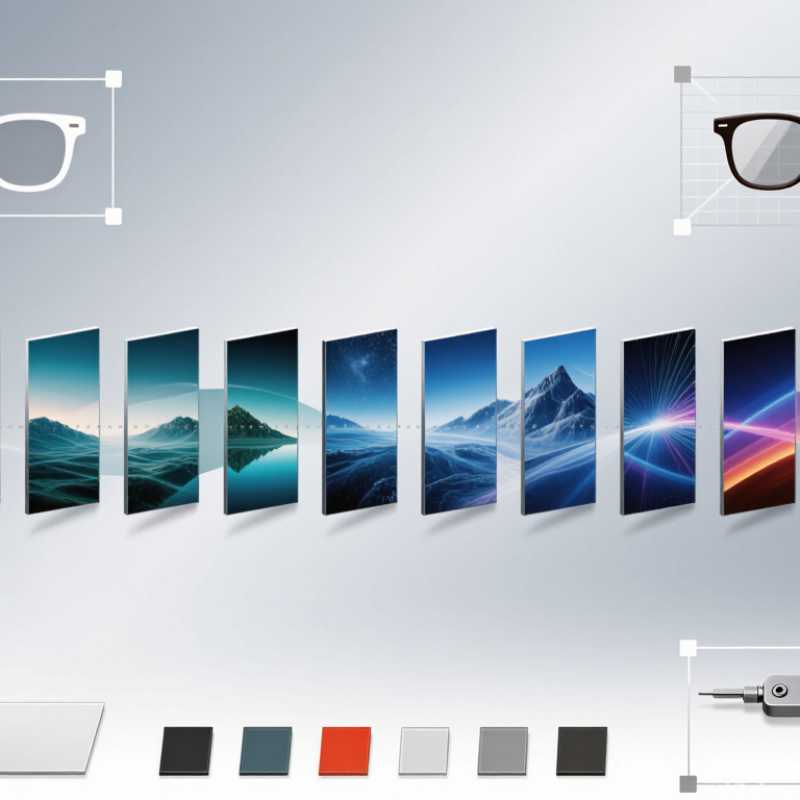
3D lenticular printing creates a depth illusion on a flat printed surface. A clear plastic sheet contains many tiny parallel lenses. Beneath it, narrow image strips are carefully interlaced and aligned with those lenses. Each eye sees a slightly different view, similar to how we perceive depth in everyday life. As the viewer shifts position, the image changes with the viewing angle. The result can look layered or almost three-dimensional. It is still a flat object, though; the depth is an optical effect, not a physical space.
Producing the effect takes careful image preparation and printing. Artwork may use several views of the same subject, each captured from a slightly different angle. Software combines these views into fine strips, which must match the lens spacing. Even a small alignment error can cause blur, ghosting, or a double image. Tiny shifts matter. Lighting and viewing distance also affect how clearly the depth appears. Results can vary more than a digital preview suggests.
Tips: View a sample at different angles before approving a large run. Check that fine text remains readable, and ask how the supplier controls lens-to-image alignment. Keep the main subject clear and avoid crowded backgrounds. The illusion can be striking, but subtle depth often looks more convincing than an overloaded design.

Top 10 3D Lenticular Printing Suppliers for Global Buyers?
How to Evaluate Suppliers for Global Projects
A supplier’s sample should prove more than a striking flip effect. Check image depth, viewing angle, lens alignment, and color consistency under ordinary room lighting. Ask for a production sample using your artwork, not just a showroom piece. Small errors show. Compare samples from the same batch, and inspect fine text, edges, and areas where images transition. A useful test is viewing the sample from several distances and angles, including under the lighting expected at its final location.
For market context, Smithers’ report The Future of Global Printing to 2028 estimates the global print market at US$818.8 billion in 2023, with a forecast of US$846.8 billion by 2028. This covers printing broadly, not lenticular products specifically. Still, it highlights why buyers should check a supplier’s capacity, quality controls, and delivery planning before placing a large order. Request written tolerances for lens pitch, registration, color, and acceptable defects.
For cross-border projects, confirm material specifications, export packaging, sample approval stages, and who handles freight coordination. Ask how the supplier manages reprints if batches vary. Request a documented quality checklist and clarify how production changes are communicated across time zones. I would not rely on a polished sample alone; it may not reflect a full run. No checklist catches everything. Keep one approved reference sample for comparison when goods arrive.
How to Evaluate Suppliers for Global Projects
Suggested evaluation weights for comparing suppliers—not measured supplier results or rankings. Adjust them to fit your project’s artwork, volume, destination, and delivery requirements.
Choosing among the top 10 3D lenticular printing suppliers for global buyers starts with the intended viewing effect. A shelf display may need bold motion, while a mailer often benefits from a subtle image change. Ask suppliers for physical samples, not just screen previews. Tilt each sample under ordinary office lighting and check for ghosting, uneven color, or visible banding. Small flaws matter.
A capable supplier should explain lens pitch, image resolution, print method, and finishing options in plain language. Request a test run using your actual artwork and target viewing distance. Confirm sheet size, packaging, production time, and shipping terms in writing. For international orders, discuss color references and inspection procedures before approving a large batch. Details travel poorly when they stay verbal.
Price is only one signal. Compare how clearly suppliers answer technical questions and handle sample revisions. Ask whether they can provide consistent results across repeat orders, then review a recent sample from a comparable job. Some effects look impressive in a studio but lose clarity under store lighting. That deserves a second look. Even a careful checklist cannot predict every production issue, so leave time for one correction round.
| Supplier Profile | Typical Strength | Common Applications | Production Considerations | What Buyers Should Verify |
|---|---|---|---|---|
| Commercial lenticular print specialist | Dedicated experience with 3D, flip, and motion effects | Posters, promotional cards, packaging panels, and displays | Requires correctly prepared interlaced artwork matched to the lens pitch | Ask for samples, artwork specifications, available lens pitches, and color-proofing options |
| Large-format display printer | Wide-format production for visual merchandising and display work | Retail graphics, wall displays, event signage, and point-of-sale materials | Finished size, viewing distance, mounting, and substrate rigidity affect the result | Confirm maximum print and finishing sizes, mounting methods, and packing protection |
| Packaging-focused print supplier | Print and finishing workflows designed for packaging components | Folding cartons, product sleeves, labels, and promotional packaging | Lenticular components may need to be integrated with other printed or converted parts | Check dieline handling, finishing compatibility, assembly requirements, and production tolerances |
| Promotional-products manufacturer | Production of compact, campaign-oriented printed items | Postcards, bookmarks, collectible cards, and direct-mail inserts | Small formats require careful control of image alignment and viewing angle | Request a physical proof at the intended size and confirm individual or bulk packaging options |
| Commercial photo and graphics lab | Image-led output and support for photographic artwork | Photo panels, decorative prints, portraits, and limited-run displays | Source-image resolution and separation quality influence perceived depth and clarity | Ask about file preparation, image-resolution requirements, proofing, and color management |
| Plastic-sheet printing converter | Printing and converting on suitable plastic sheet materials | Rigid signs, durable panels, and formed or mounted graphics | Material choice, thickness, surface protection, and finishing must suit the application | Verify the lens material, sheet thickness, protective finish, and compatibility with the intended use |
| Retail point-of-sale display producer | Combines printed graphics with display fabrication or assembly | Counter displays, shelf graphics, window displays, and branded fixtures | Structural design and viewing position should be considered alongside the lenticular effect | Confirm whether the supplier handles design, fabrication, assembly, and shipment as one project |
| Short-run digital print provider | Flexible production for prototypes, tests, and smaller quantities | Concept samples, campaign tests, personalized pieces, and short-run graphics | Available formats, lens options, and unit economics vary by equipment and order size | Request a sample run and compare setup charges, repeatability, and reorder conditions |
| High-volume print manufacturer | Production planning for larger, repeatable orders | Mass promotions, retail campaigns, and recurring print programs | Consistency across batches depends on controlled artwork, materials, and process settings | Ask about production tolerances, batch controls, quality inspection, and capacity planning |
| Regional trade-print partner | Local coordination, communication, and distribution within a target market | Regional marketing materials, localized campaigns, and time-sensitive displays | Local availability of lenticular materials and specialist production may differ by market | Confirm where printing occurs, shipping terms, delivery timelines, and who manages quality issues |
These entries describe supplier categories rather than named companies and are not a verified ranking of individual businesses. Capabilities, materials, minimum order quantities, lead times, and shipping options vary by supplier; confirm them directly before placing an order.
For global buyers, the strongest 3D lenticular suppliers differ less by sales claims than by how carefully they manage the production details. Ask about lens pitch, viewing angle, image interlacing, and the intended viewing distance. These settings affect whether motion or depth appears clean, or breaks into distracting bands. Request a physical sample at the planned size. A screen preview cannot show every flaw.
Service also matters. Compare prepress support, color proofing, material options, quality checks, and delivery communication. A capable team should explain how artwork needs to be prepared and what may change during printing. Ask how it checks lens alignment and color across a batch, not only on one approved sample. For international orders, confirm packaging, lead times, and how delays are reported. Small details matter.
Suppliers may offer similar finishes but different levels of guidance. Some can help refine artwork; others expect print-ready files. That difference can affect cost and timing. A sample that looks convincing on a phone may disappoint under office lighting or from a wider viewing angle. I would not judge a supplier from one photograph alone. Even a detailed checklist misses something, so leave room for a test run before committing to a large order.
Choosing a 3D lenticular supplier starts with matching its process to your actual use. Ask about lens pitch, viewing distance, image depth, sheet size, and intended lighting. These details affect whether depth or motion reads clearly. Small proof. A supplier should explain how it calibrates artwork to the lens, not simply promise a striking effect.
Request a physical sample made with similar artwork, substrate, and finish. Inspect it under ordinary office light, then tilt it slowly from side to side. Check for ghosting, uneven transitions, color shifts, scratches, and alignment drift near the edges. Ask which file specifications are needed and who checks interlacing before production. Request documented tolerances, lead times, packing methods, and replacement terms. A polished sample alone proves little.
Compare suppliers on repeatability, communication, and evidence from comparable jobs, rather than price alone. For international orders, confirm carton dimensions, moisture protection, tracking, and responsibility for import paperwork. Clarify whether quoted costs include setup, proofs, and freight. If claims sound broad, ask for measurable limits. Even experienced teams can miss a detail; one overlooked viewing angle may weaken the whole image. Keep decisions tied to a signed proof and written specifications.
© 2023 JEM Electronics, Inc. – United States Cable Assembly. All rights reserved.