Top 10 Benefits of Using a Rotameter Flow Meter?
In various industries, accurate flow measurement is crucial. One tool that stands out is the Rotameter Flow Meter. This device offers numerous advantages for monitoring fluid dynamics. Its simple design allows for easy installation and operation. Users appreciate its straightforward visual readout, which can enhance efficiency in processes.
Many professionals rely on the Rotameter Flow Meter for its reliability. It provides consistent performance across different applications, from water treatment plants to chemical manufacturing. However, while it excels in many areas, some users may encounter challenges in extreme conditions. Understanding these limitations is essential for optimal usage.
Experienced operators know the value of choosing the right device. The Rotameter Flow Meter is not only cost-effective but also environment-friendly. Its minimal maintenance needs further enhance its appeal. Businesses that prioritize sustainability often prefer this technology. Despite these benefits, thoughtful evaluation is key to ensuring it meets specific operational requirements.
Top 10 Benefits of Using a Rotameter Flow Meter
Rotameter flow meters are widely recognized for their efficiency in measuring fluid flow. One significant benefit is their simplicity. Unlike complex systems, rotameters use a tapered tube and a float. This design allows for easy understanding and interpretation of flow rates. Operators can quickly assess flow levels without extensive training.
Another advantage is their versatility. Rotameters function well in various applications, whether measuring liquids or gases. Their ability to handle different pressures adds to their appeal. However, they may not be suitable for all fluid types. Viscosity can impact accuracy, requiring careful consideration during application.
Accuracy is a critical factor for rotameters. They are generally reliable within specific flow ranges. Variations outside these ranges can lead to errors, prompting users to reflect on their settings. Calibration is necessary to maintain precision over time. Despite their benefits, users must remain vigilant about potential limitations. Regular maintenance ensures lasting reliability, fostering trust in flow measurements.
Understanding the Working Principle of a Rotameter Flow Meter
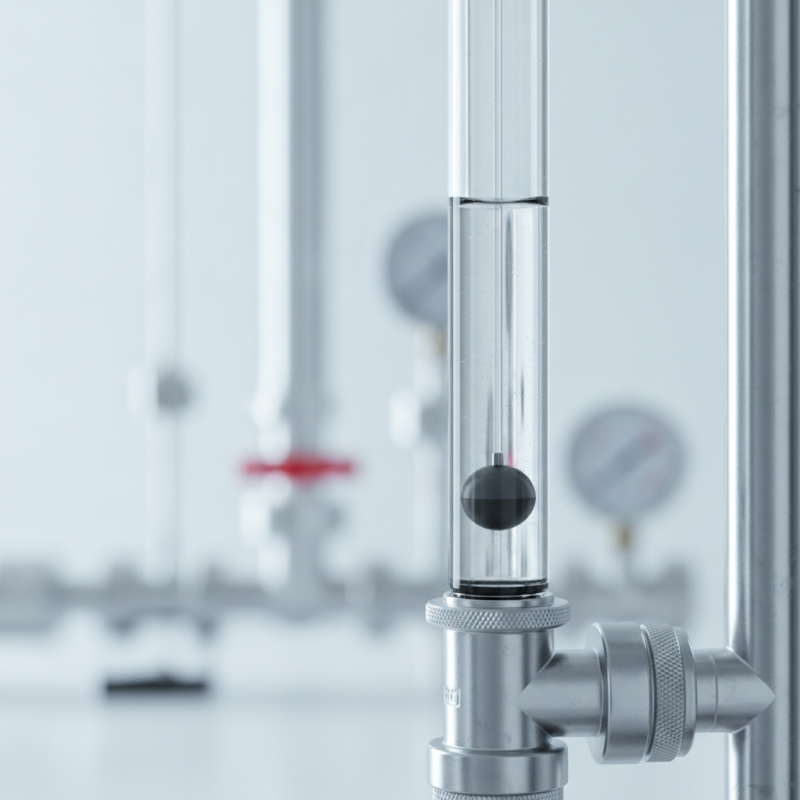
A rotameter flow meter operates on a simple principle of variable area. It consists of a tapered tube and a float inside. As fluid flows through the tube, the float rises or falls according to the flow rate. This visual display makes it easy to read. The height of the float indicates how much fluid is flowing. Users can quickly estimate flow rates without complex calculations.
These meters work best in low to moderate flow conditions. They are simple yet effective tools for measuring flow in various applications. One key advantage is their ability to function with different types of fluids, including gases and liquids. However, they may become less accurate with very viscous substances. Proper installation is crucial to ensure accuracy. A slight tilt in the meter can lead to errors in flow measurement.
Understanding how a rotameter works is helpful for those in many industries. Operators often appreciate the straightforward design. However, it requires routine maintenance to avoid wear and tear. Misreading can occur due to vibration or turbulence in the fluid. Taking these factors into account is essential for reliability in measurements.
Key Applications of Rotameter Flow Meters in Various Industries
Rotameter flow meters are widely used in various industries due to their versatility and accuracy. In chemical manufacturing, for instance, they are essential for monitoring the flow of liquids and gases. A 2022 report by the American Society for Testing and Materials indicates that the precision of rotameters can improve process reliability by up to 30%. This level of accuracy reduces wastage and enhances efficiency, making rotameters critical in tight production schedules.
In the food and beverage sector, rotameters ensure consistent quality control. They help in measuring ingredients accurately, which is vital for product consistency. A study by the Food and Drug Administration reveals that accurate flow measurement reduces ingredient errors by nearly 25%. Furthermore, in pharmaceutical applications, maintaining the correct flow rate is crucial for drug formulation. Rotameters provide visual flow readings, allowing operators to make immediate adjustments, thereby preventing costly deviations.
While rotameters have many benefits, they aren't without challenges. They can be sensitive to changes in temperature and pressure, which may affect readings. Regular calibration is necessary to maintain accuracy. Moreover, their application may be limited in high-viscosity fluids, where different flow meters might perform better. Despite these limitations, rotameters remain a popular choice across industries thanks to their reliability and ease of use.
Top 10 Benefits of Using a Rotameter Flow Meter
This bar chart illustrates the key benefits of using a Rotameter Flow Meter across various industries. The metrics show the importance of each benefit rated on a scale from 1 to 10 based on common utilization.
Comparative Accuracy of Rotameter Flow Meters vs. Other Flow Meters
The comparative accuracy of rotameter flow meters versus other types is an intriguing topic. Rotameters are simple devices that measure flow rates based on the vertical position of a float. They can provide adequate accuracy for many applications in various industries. They excel in low flow scenarios, often delivering better precision than some electronic flow meters. However, their performance can diminish in turbulent flows or at high pressures.
While other flow meters, like magnetic or ultrasonic models, offer more advanced technology, rotameters remain favored for their straightforward design. They don’t require extensive calibration and can operate without power. Yet, this simplicity can also be a drawback. In situations demanding high precision, a rotameter may fall short. Additionally, if used improperly, factors like temperature and pressure changes can affect the float’s position, leading to inaccurate readings.
In contrast, flow meters like turbines or positive displacement types might deliver higher accuracy across a broader range of conditions. These systems can adapt better to fluctuations in flow rates. However, they tend to be more complex and costly. The choice between a rotameter and another type hinges on the specific requirements of your application. It's essential to weigh the advantages and potential challenges of each type to make an informed decision.
Top 10 Benefits of Using a Rotameter Flow Meter - Comparative Accuracy of Rotameter Flow Meters vs. Other Flow Meters
| Benefit | Rotameter | Other Flow Meters | Accuracy (%) |
| Simple Design | Yes | Depends on type | ±2% of reading |
| Low Cost | Yes | Higher initial cost | ±0.5% to ±2% |
| Wide Range of Flow Rates | Yes | Limited in specific types | Varies |
| Visual Indication | Yes | No | N/A |
| Low Maintenance | Yes | Higher maintenance | N/A |
| Versatile Installation | Yes | Limited installation scenarios | N/A |
| Suitable for Various Fluids | Yes | May not handle all types | N/A |
| No Power Required | Yes | Requires power | N/A |
| Robust Construction | Yes | Varies | N/A |
| High Reliability | Yes | Less reliable | N/A |
Cost Effectiveness: Long-Term Savings with Rotameter Flow Meters
Rotameter flow meters are known for their simplicity and cost-effectiveness. One significant advantage is their low maintenance needs. According to a recent industry report, systems without moving parts can save companies up to 30% in maintenance costs annually. This translates to substantial long-term savings, especially in industries where flow monitoring is essential.
The initial investment in a rotameter can be lower compared to other flow measurement devices. A leading study indicated that businesses can expect a return on investment within two years. These instruments are built with durable materials, enhancing their lifespan and reliability. They often operate effectively across varying temperatures and pressures, minimizing unexpected replacements.
However, not every application is ideal for a rotameter. They may have limitations in accuracy under certain conditions. This requires careful evaluation before implementation. Understanding the site-specific requirements is essential to avoid underperformance. Still, with the right conditions, rotameters can offer long-term financial benefits that significantly outweigh their initial costs.
Conclusion
The "Top 10 Benefits of Using a Rotameter Flow Meter" highlights the essential features and advantages of this device in flow measurement. A rotameter flow meter operates on a simple principle of variable area measurement, allowing for accurate flow detection across a range of applications in diverse industries, from chemical manufacturing to water treatment. Its ability to provide reliable measurement makes it a preferred choice for many professionals.
In addition to its high accuracy, the cost-effectiveness of rotameter flow meters contributes to long-term savings, making them an appealing option for budget-conscious facilities. Furthermore, their straightforward installation and low maintenance requirements ensure that users can easily integrate this flow meter into their systems. Overall, the rotameter flow meter stands out as a practical and efficient solution for flow measurement needs.