
Blog

Top 10 Double Panel Radiators for Global Buyers?

Choosing the right heating equipment can be harder than comparing prices on a supplier’s website. A Double Panel Radiator offers a larger heat-emitting surface than many single-panel models, making it useful for bedrooms, offices, and open living areas. However, performance depends on more than panel count. Room size, insulation, water temperature, connection type, and local climate all influence the final result.

This guide reviews the Top 10 Double Panel Radiators for Global Buyers through practical purchasing criteria. We consider heat output, steel quality, coating durability, valve compatibility, mounting hardware, packaging, and after-sales support. A radiator that performs well in a mild climate may need different specifications in a cold northern region. Check the details carefully.

Real-world buying experience also reveals small issues that product pages often overlook. A compact model may fit beneath a window but leave little space for pipe connections. A glossy finish can look impressive, yet scratches may appear during international transport. Some suppliers provide clear technical drawings, while others offer incomplete measurements. That matters.

The selected models are not presented as perfect choices for every project. Room calculations can be misunderstood, and manufacturer data may use different testing conditions. Buyers should confirm output ratings, certifications, thread sizes, and delivery terms before ordering. Independent installer advice remains valuable, especially for commercial or multi-room systems. Safety should never be treated as an afterthought.

Whether you are a homeowner, contractor, distributor, or property developer, this comparison aims to support a more informed decision. Warmth matters. So does reliability.
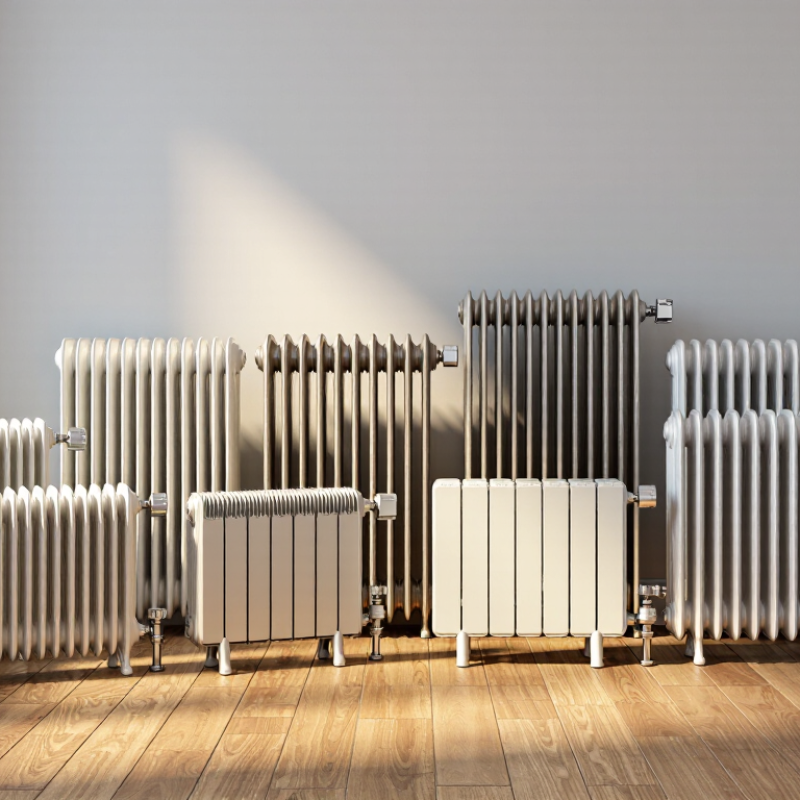
Top 10 Double Panel Radiators for Global Buyers?

What Are Double Panel Radiators and How Do They Work?

Double panel radiators use two steel panels joined around internal water channels. Each panel faces the room and transfers heat through its metal surface. Many models also include fins between the panels. These fins increase the contact area with surrounding air. The enclosed space helps warm air rise naturally. Simple physics, practical comfort.

When heated water enters the radiator, heat moves from the water into the steel. The warm surface then releases radiant heat toward nearby walls, furniture, and people. At the same time, air passes between the panels and rises through the room. This combination creates faster heat distribution than a single panel design. Room air circulates continuously, though unevenly in some spaces. Correct sizing still matters. A radiator cannot fix major insulation losses.

Global buyers should check heat output under their system’s actual water temperature. A unit rated at high temperatures may deliver less heat in a low-temperature system. Wall construction also affects mounting security and heat transfer. Pipe positions must match the chosen connection layout. Thermostatic valves can help control room temperature and reduce wasted energy. Field experience shows that blocked airflow causes disappointing performance. Curtains, sofas, and drying clothes can trap heat around the radiator. That detail is easy to overlook. Still, no radiator choice is perfect for every room. Heat-loss calculations deserve a second look, especially in older buildings.


Top 10 Double Panel Radiators for Global Buyers? What Are Double Panel Radiators and How Do They Work?

Double panel radiators, commonly classified as Type 22, use two water-filled steel panels and two internal convector fins to transfer heat through radiation and convection. The chart compares typical heat outputs for common radiator sizes at a ΔT50 rating condition.

Values are representative non-brand benchmarks in watts for Type 22 double panel radiators tested at ΔT50, a standard EN 442 reference condition. Actual output can vary by manufacturer, water temperature, connection type, and installation conditions. Lower-temperature heating systems generally deliver less heat.

How to Compare the Top Double Panel Radiators for Global Buyers

Comparing the top double panel radiators starts with heat output, not appearance. Check the rated wattage at the same temperature difference, often ΔT50. A larger radiator is not always better. Room insulation, window size, and ceiling height can change the required capacity. Measure the wall carefully before choosing a model.

Construction details matter for global buyers. Look for corrosion-resistant steel, an even powder coating, and secure welded fins. Ask for test reports, operating pressure, and clear installation instructions. Reliable suppliers should explain whether the figures follow recognized heating standards. Connection positions also deserve attention. Bottom, side, and reversible connections affect pipework costs. In my installation experience, unclear connection drawings cause more delays than radiator weight.

Packaging is practical evidence of quality. Inspectors should check corner protection, moisture barriers, and labeling before shipment. Compare warranty terms, replacement parts, and local technical support rather than trusting a long warranty alone. Price can mislead. A cheaper unit may require extra valves, adapters, or stronger wall brackets. Small details add up. I would also question unusually high heat claims without independent testing. No comparison is perfect, especially when countries use different water temperatures and compliance rules. Rechecking local requirements remains necessary.

Which Materials, Sizes, and Heat Outputs Suit Different Spaces?

Double panel radiators suit bedrooms, living rooms, and offices needing steady warmth without excessive wall space. Their two steel panels store heat, while internal fins increase convection. Steel is durable and widely available, but it can feel slower to respond. Aluminum heats faster and weighs less, though it may cost more and require careful system compatibility.

Size should follow the room’s heat loss Size should follow the room’s heat loss, not simply its floor area. A 600 x 1000 mm radiator may deliver roughly 1.5 to 2.0 kW under common testing conditions, but actual output varies by design and water temperature. Check certified data, such as EN 442 ratings, when comparing suppliers. Heat-pump systems often operate at lower temperatures, so the same radiator can produce much less heat. Larger panels or multiple units may be necessary. Windows, ceiling height, insulation, and external walls also change the calculation. I have found room estimates useful, but they are never perfect.

Tips: Measure available wall width, pipe positions, and valve clearance before ordering. Leave space below the sill and above the floor for airflow. Choose a corrosion-resistant finish for humid rooms, and confirm pressure ratings for the heating system. A compact radiator may look attractive, yet undersizing creates cold corners and constant boiler operation. Oversizing is usually safer, but it can reduce control precision and waste wall space. When uncertain, ask a qualified heating engineer to review the heat-loss calculation.

What Installation, Safety, and Maintenance Factors Should Buyers Consider?

Top 10 Double Panel Radiators for Global Buyers?

When comparing the top ten double panel radiators, installation quality matters as much as heat output. Double panels are heavier and project farther from the wall. Check wall strength, bracket spacing, pipe alignment, and floor clearance before purchase. A qualified installer should confirm the room’s heat loss, not rely only on radiator length. Compare outputs using EN 442 test conditions, usually 75/65/20°C. Results can change in low-temperature systems. No sizing chart is perfect.

The IEA’s Buildings 2023 report states that buildings use about 30% of global final energy. Accurate control can therefore reduce wasted heat. Fit a thermostatic valve, but keep curtains and furniture away from it. The WHO Housing and Health Guidelines identify 18°C as a safe minimum indoor temperature for healthy adults. Vulnerable occupants may need warmer rooms. Never cover a hot radiator with wet clothing. Surface temperatures can cause burns, especially for children. Secure fixings are essential on plasterboard or hollow walls.

Tips: Bleed trapped air when the radiator is cool. Check pressure against the heating system manual. Inspect valves for slow leaks each season. Flush dirty systems professionally. In practice, owners often ignore small noises until corrosion develops. That is a costly lesson. Keep installation records, photograph pipe connections, and reassess room temperatures after the first winter.

Top 10 Double Panel Radiators for Global Buyers? — Installation, Safety, and Maintenance Factors
Rank Generic Radiator Configuration Nominal Size
(Height × Length)
Panel / Convector Type Approx. Heat Output
(ΔT50)
Approx. Output
(BTU/h)
Approx. Water Volume Typical Maximum Working Pressure Common Connection Arrangement Recommended Installation Factors Key Safety Considerations Maintenance Requirements
1 Compact Type 22 Double Panel Radiator 600 × 1000 mm 2 panels 2 convectors Approximately 1,700 W Approximately 5,800 BTU/h Approximately 7.4 L Typically 10 bar; confirm the product rating before purchase Side connections, commonly four-port; bottom connections may be available Use wall brackets rated for the filled radiator weight. Leave clearance below the windowsill and above the floor to allow air circulation. Install an appropriately sized pressure-relief system. Do not block the air vent or fit the radiator against combustible materials. Bleed air when cold, inspect valves for leaks, and clean dust from the convector fins with a soft brush or vacuum.
2 High-Output Type 22 Double Panel Radiator 600 × 1200 mm 2 panels 2 convectors Approximately 2,050 W Approximately 7,000 BTU/h Approximately 8.9 L Typically 10 bar; verify compatibility with the heating system Side-entry connections are common; opposite-end flow and return can improve heat distribution Check wall construction and bracket spacing because the longer radiator carries more water and weight. Allow access to both valves. Use corrosion-resistant fittings in humid or coastal locations. Confirm that the system expansion vessel is correctly sized. Check for cold spots caused by trapped air, clean the rear panel periodically, and examine threaded joints after the first heating season.
3 Medium Type 21 Double Panel Radiator 600 × 1000 mm 2 panels 1 convector Approximately 1,350 W Approximately 4,600 BTU/h Approximately 5.4 L Typically 10 bar; consult the technical data sheet Four side connection points are common; thermostatic valves are normally fitted to the flow side Suitable where wall depth is limited. Maintain a clear air path around the top and front of the radiator. Install a thermostatic radiator valve that is suitable for the system temperature and pressure. Avoid placing furniture directly over the valve sensor. Keep the single convector channel free of lint and dust. Retighten only if necessary and never overtighten valve connections.
4 Long Type 22 Double Panel Radiator 600 × 1400 mm 2 panels 2 convectors Approximately 2,400 W Approximately 8,200 BTU/h Approximately 10.4 L Typically 10 bar; check the system’s lowest-rated component Side connections; a diagonal connection may be preferred for longer radiator lengths Use the manufacturer’s specified number of brackets and confirm that the wall can support a fully filled unit. Plan for thermal expansion of pipework. Do not use unsupported flexible hoses or undersized wall plugs. Check that the radiator cannot be pulled away from the wall during cleaning. Inspect support brackets, valves, and pipe tails annually. Remove dust from the upper grille and convector plates to preserve output.
5 Slim Type 20 Double Panel Radiator 600 × 1000 mm 2 panels no convector Approximately 950 W Approximately 3,200 BTU/h Approximately 4.0 L Typically 10 bar; confirm the actual rating Side connections, generally suitable for standard thermostatic and lockshield valves Useful where easy cleaning and a shallow profile are priorities. Size the radiator using a room heat-loss calculation rather than floor area alone. The smooth surface can become hot during operation. Keep children, pets, and combustible textiles at a safe distance. Wipe the panels with a non-abrasive damp cloth. Avoid harsh chemicals that may damage the protective coating.
6 Vertical Type 22 Double Panel Radiator 1800 × 500 mm 2 panels 2 convectors Approximately 2,100 W Approximately 7,200 BTU/h Approximately 8.0 L Typically 6–10 bar depending on construction and certification Bottom or side connections; connection layout must be checked before ordering Verify the wall’s vertical load capacity and ensure the radiator is perfectly plumb. Allow clearance from doors, curtains, and adjacent walls. Use all specified fixing points. A tall radiator must not be used as a grab rail or located where impact damage is likely. Use a long, narrow brush or vacuum attachment to clean between the panels. Inspect top and bottom brackets for movement.
7 Low-Level Type 22 Double Panel Radiator 300 × 1200 mm 2 panels 2 convectors Approximately 1,250 W Approximately 4,300 BTU/h Approximately 5.6 L Typically 10 bar; verify the operating temperature and pressure limits Side connections are common; bottom-center connections may be used with compatible valves Useful beneath large windows or in rooms with limited wall height. Keep the lower grille unobstructed by flooring, skirting, or furniture. Protect pipework from impact and ensure floor-level connections cannot be used as a trip hazard. Maintain access for isolation valves. Vacuum the lower and rear areas regularly because low-level radiators collect more dust and pet hair.
8 Flat-Front Type 22 Double Panel Radiator 600 × 1000 mm 2 panels 2 convectors Approximately 1,650 W Approximately 5,600 BTU/h Approximately 7.4 L Typically 10 bar; check certification for the target market Four side connections are typical; concealed or integrated valve sets may require dedicated pipe centers Confirm exact pipe-center dimensions before installation. A flat front is easier to clean but still requires airflow through the top and bottom openings. Use approved wall fixings and avoid drilling into concealed electrical cables or water pipes. Keep surface temperatures appropriate for the room’s occupants. Clean with a soft cloth and mild detergent. Do not place wet towels on the radiator unless the design is specifically approved for that use.
9 Towel-Compatible Type 22 Double Panel Radiator 600 × 800 mm 2 panels 2 convectors Approximately 1,350 W Approximately 4,600 BTU/h Approximately 5.9 L Typically 10 bar; confirm whether the model is approved for bathroom use Side connections; angled or straight valves may be selected according to pipe position For bathrooms, comply with local electrical-zone and ventilation rules. Keep adequate clearance from showers, baths, and splash-prone areas. Use suitable corrosion protection in wet rooms. Do not cover the entire radiator with thick towels because this reduces heat transfer. Dry splashes promptly, check coating damage, and inspect valves for corrosion or mineral deposits.
10 Low-Temperature Type 22 Double Panel Radiator 600 × 1200 mm 2 panels 2 convectors Approximately 1,350 W at ΔT30 Approximately 4,600 BTU/h at ΔT30 Approximately 8.9 L Typically 10 bar; confirm suitability for heat-pump systems Side or bottom connections; balancing and flow-rate control are especially important at lower water temperatures Use a room-by-room heat-loss calculation. Larger radiator surfaces may be required when operating with a heat pump or low flow temperature. Confirm compatibility with the heat source, circulating pump, control system, and antifreeze or inhibitor requirements. Balance the system after installation, monitor flow and return temperatures, and keep the convector fins clean to maintain low-temperature performance.
Technical note: Heat-output figures are typical indicative values for steel panel radiators and can vary with manufacturer design, connection method, water temperature, room temperature, and testing standard. ΔT50 refers to a 50°C mean water-to-room temperature difference; ΔT30 refers to a 30°C difference. Buyers should verify certified output, dimensions, pressure rating, connection centers, corrosion protection, and local installation requirements before specifying a product.

How Do Prices, Energy Efficiency, and Warranties Vary Worldwide?

When comparing the top ten double panel radiators, global buyers should separate purchase price from operating cost. A double panel model usually delivers more heat than a single panel of similar length. However, output depends on water temperature, room insulation, radiator size, and airflow around the fins. Output is not efficiency.

The International Energy Agency’s Tracking Buildings 2023 report states that buildings consume about 30% of global final energy and produce roughly 26% of energy-related emissions. This makes low-temperature heating increasingly important. A radiator that performs well at 55°C may be more valuable than one rated only at higher temperatures. Eurostat household energy-price data also shows wide differences between European markets, driven by taxes, network charges, and fuel prices. Therefore, a cheaper radiator may cost more over time if it requires hotter water. The comparison is imperfect.

Warranty terms vary even more than prices. Buyers should check coverage length, corrosion exclusions, installation rules, and whether labor or replacement shipping is included. The IEA’s Energy Efficiency 2023 analysis supports stronger attention to building controls and system design, not hardware alone. In practical purchasing, calculate the landed cost: radiator, valves, delivery, duties, installation, and future maintenance. A ten-year warranty sounds impressive, but it may exclude damp rooms or untreated water. Warranty wording matters. Manufacturer test conditions also deserve scrutiny, because laboratory output may not match a cold, poorly insulated room.

Go to Top