What Are the Top Industrial Filling Machine Manufacturers?
Choosing an Industrial Filling Machine is not simply a matter of comparing advertised speeds. The right equipment must suit the product, container, production volume, and cleaning routine. A thick sauce behaves differently from a free-flowing liquid. A narrow bottle opening can also change nozzle choice and filling accuracy. Small details matter.
Packaging expert Walter Soroka describes packaging as “the science, art, and technology of enclosing or protecting products for distribution, storage, sale, and use.” That wider view is useful when assessing filling equipment. A filler works within a packaging line, alongside conveyors, cappers, labelers, and operators. Its performance depends on the whole setup, not just the machine’s headline output.
This guide examines leading Industrial Filling Machine manufacturers and the factors buyers can use to compare them. These include filling technology, product range, customization, service support, and documented performance. Look for evidence such as test results using your actual liquid and container, not just a polished demonstration. Ask how changeovers work. Ask about spare parts, too.
There is no universal winner. A compact semi-automatic unit may suit a small producer, while a high-speed rotary system may fit a larger plant. Even a careful shortlist can miss a constraint on the factory floor. Verify every claim against your own requirements before making a decision.
What Is an Industrial Filling Machine?
What Is an Industrial Filling Machine?
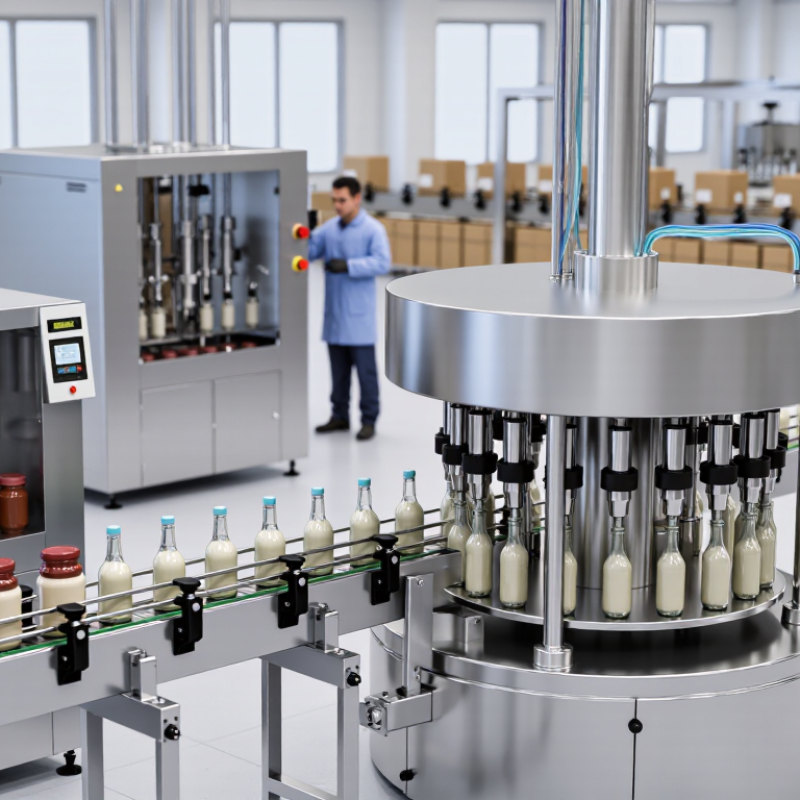
An industrial filling machine measures and dispenses a product into containers at a repeatable rate. It may fill bottles, jars, tubs, or other packages moving along a production line. The machine’s filling method depends on the product’s behavior. Gravity systems suit some free-flowing liquids, while piston or pump systems can handle thicker materials. Flow meters may help control volume in suitable applications. The container matters. A narrow neck, soft pouch, or uneven opening can affect nozzle choice and filling speed.
Common parts include a product tank, feed lines, filling nozzles, controls, and sometimes a conveyor. Sensors can detect containers and help prevent missed fills, though they do not replace routine checks. Operators typically verify fill levels, inspect seals and nozzles, and clean product-contact surfaces according to the equipment and product requirements. Small drips count. Even minor residue can complicate changeovers or make a line harder to keep clean. A machine’s stated capacity is only one measure; real output also depends on viscosity, foam, container handling, and stoppages. A clean test run is not the whole story. Production conditions can differ, so teams should confirm performance with their own containers and materials before relying on a target rate.
How Do Industrial Filling Machines Work?
An industrial filling machine turns a measured product supply into repeatable container doses. Empty bottles or tubs are guided into position, then a valve opens for a set time or until a target volume or weight is reached. Liquid fillers may use gravity, pistons, or flow meters; the right method depends on viscosity, foaming, and the required accuracy. That is the core. Sensors check container position and fill levels, while controls adjust the cycle and flag irregular fills. A small shift in temperature can change how a product flows, so operators monitor conditions, not just the display.
The scale is substantial. PMMI’s 2023 State of the Industry report puts U.S. packaging machinery shipments above $10 billion in 2022, reflecting the demand for automated production lines. Yet speed alone does not define a good filler. Nozzle height, drip control, and container stability matter; a thin stream can splash, while a slow cycle can bottleneck the line. Cleaning systems also need careful setup, especially when product changes are frequent. I would not treat one perfect test run as proof: real containers vary slightly, and product behavior can change across a shift. That part is easy to overlook.
What Types of Industrial Filling Machines Are Available?
Industrial filling machines are selected by product texture, container, and required fill accuracy. Gravity fillers suit thin liquids such as water or light cleaning solutions. They use product flow and are relatively simple to operate. Overflow fillers help keep liquid levels visually consistent across clear bottles.
Piston fillers handle thicker products, including creams, sauces, and pastes. A piston moves a measured volume into each container. Pump fillers can accommodate changing viscosities, while auger fillers dispense powders into jars or bags. Net-weight fillers weigh each dose, which can help when package weight matters. Inline and rotary machines describe line layouts, not filling methods. A neat specification sheet can still hide a mismatch with the real product.
Tips: Test the actual product before choosing a machine. Check how it flows at operating temperature, and inspect samples for drips or foam. Ask about changeover time and cleaning access. A small nozzle may improve control, but it can slow production. The best choice is not always the fastest one. A short trial often reveals what the brochure misses.
How Can Businesses Choose the Right Filling Machine?
Choosing a filling machine starts with the product, container, and required output—not the machine’s advertised speed. Match the filling method to the liquid’s thickness, temperature, and tendency to foam or drip. A thin liquid may need different controls from a syrup that leaves strings on the nozzle. Check container sizes and shapes, too. A stable bottle on a test conveyor may behave differently when it is lightweight or unusually tall.
Ask suppliers to test your actual product in your actual containers. Measure fill accuracy, changeover time, and how much product remains in hoses after a run. Watch the operator clean the machine. Small details matter. Look for accessible contact parts, clear setup instructions, and readily available wear components. Confirm that the machine can handle realistic production speeds, not just a brief demonstration. Also ask about service response times and training for your maintenance team.
Set a budget that includes installation, utilities, spare parts, and future format changes. A spreadsheet helps, but it cannot capture every awkward shift change or rushed cleanup. I would leave room for uncertainty: production needs can change, and a machine that fits today may feel restrictive later. Compare several options using the same test conditions, and record what each trial reveals.
Which Manufacturers Lead the Industrial Filling Machine Market?
What Are the Top Industrial Filling Machine Manufacturers?
Which Manufacturers Lead the Industrial Filling Machine Market?
The manufacturers leading this market are those that match equipment to real production needs, not simply those offering the fastest line. Strong suppliers provide machines for different container shapes, liquid viscosities, and output volumes. They also explain how fill accuracy is tested and maintained. Small errors matter: an inconsistent nozzle can leave sticky residue around bottle necks and slow packing.
Look for practical engineering features. Stainless steel contact surfaces, tool-light changeovers, and accessible cleaning points can reduce downtime between product runs. A clear control display helps operators adjust fill volume without repeated trial and error. That matters. Reliable technical support is important too, especially when a sensor fails during a busy shift. Ask about spare-part availability, operator training, and service response times before comparing quoted prices.
Market leadership is not a fixed ranking. A manufacturer suited to a high-speed beverage line may be a poor fit for a small facility filling thick sauces. Compare machines using sample containers and the actual product, then review measured speed, fill variation, and changeover time. One imperfect but useful step is to record current production bottlenecks before requesting proposals. Without that baseline, even polished demonstrations can mislead.