Top 5 Tips for Choosing the Right Electric Circuit Breaker?
Choosing the right Electric Circuit Breaker is crucial for safety and efficiency in electrical systems. According to the Electric Power Research Institute, improper selection can lead to system failures and costly repairs. Breakers protect your home and business from overloads and faults, making their role vital.
The market for Electric Circuit Breakers is projected to grow significantly. Research from Mordor Intelligence indicates a growth rate of over 6% through 2026. With a variety of types and specifications available, it is essential to understand the differences. Generic choices can lead to inadequate protection or system inefficiencies.
Quality and reliability are key aspects when selecting breakers. Many users overlook ratings and compatibility, which can result in failures. It's essential to consult industry guidelines and manufacturer specifications. This attention to detail can prevent future issues and ensure optimal performance.
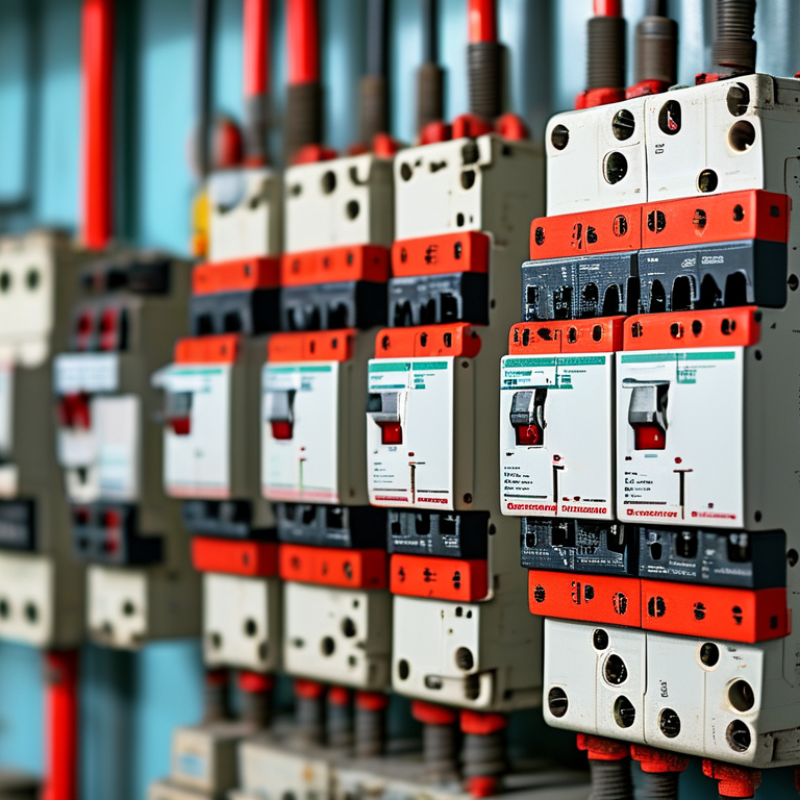
Understanding the Purpose of Electric Circuit Breakers
Electric circuit breakers play a crucial role in safeguarding electrical systems. They automatically interrupt the flow of electricity when a fault occurs, preventing potential hazards like fires and equipment damage. Understanding their purpose helps in selecting the right breaker for your needs. It's essential to consider the electrical load and potential short-circuits in your system.
Choosing an electric circuit breaker involves knowing what protection your system requires. Power surges, overloads, and short-circuits demand different types of breakers. Each type has unique characteristics, making it necessary to assess your specific situation. Pay attention to the amperage rating to avoid undersized or oversized breakers, which could lead to malfunctions.
No system is foolproof. Potential trips can still occur despite proper selection. This highlights the importance of regular maintenance and inspections. Reflecting on past incidents and learning from them can help in making better choices for future setups. Ultimately, being informed enhances your electrical safety and efficiency.
Identifying Your Electrical System's Requirements
When choosing the right electric circuit breaker, it's crucial to identify your electrical system's requirements. Understanding your system is key to making the best choice. Begin by assessing the total load your system will support. Consider all appliances and devices that will be connected. Each circuit breaker should properly protect each segment of your system from overload and short circuits.
Tip: Calculate your electrical demand. This involves adding the wattage of devices that will run simultaneously. This calculation helps in choosing breakers that can handle the load. Breakers come in various ratings, so an overload can lead to tripped breakers or even hazards.
Another tip is to check the type of breaker your system needs. Variants such as standard, GFCI, and AFCI breakers each serve different functions. GFCI breakers are essential in wet areas, while AFCI breakers protect against arc faults. Failure to select the right type can result in improper protection.
Reflect on your past choices as well. Think about any issues you faced with previous breakers. Did you experience frequent tripping? This insight can guide your current selection and improve your electrical safety.
Evaluating the Different Types of Circuit Breakers
Choosing the right electric circuit breaker involves understanding the various types available. Circuit breakers protect your electrical systems from overloads and short circuits. You’ll find different types designed for specific applications. For instance, mini circuit breakers (MCBs) are common for residential use, offering reliable protection against overloads.
Another important type is the residual current circuit breaker (RCCB). This device prevents electrical shock by cutting the power when it detects a fault. It's vital for areas with high moisture, such as bathrooms. Consider your needs carefully. Misjudging the right type can lead to dangerous situations.
Moreover, there's a difference in trip ratings. A higher rating may be suitable for heavy loads, but it can cause delayed responses to minor faults. Assess your power requirements and consult an electrical expert if unsure. Balancing safety and functionality is key. Your decisions on circuit breakers affect not only safety but also long-term maintenance. Always reflect on your choices and stay informed.
Considering the Breaker Ratings and Specifications
When choosing an electric circuit breaker, understanding ratings and specifications is crucial. The breaker’s amperage rating indicates the maximum current it can handle. If the rating is too high, you risk overheating. If too low, it may trip frequently. Knowing your load requirements helps in selecting the right amperage.
Voltage rating is another key factor. Ensure the voltage rating of the breaker matches your system. If it’s lower, it may fail under load. Besides amperage and voltage, consider the type of breaker you need, such as standard or GFCI. Each serves a different purpose.
In real-world applications, some people overlook these specifications, leading to safety hazards. An improperly rated breaker can be a ticking time bomb. Assessing your needs thoroughly is essential. Think about the installation environment. Moisture and temperature can affect breaker performance. Always consult with a qualified electrician when in doubt. Prioritize safety to avoid costly mistakes.
Top 5 Tips for Choosing the Right Electric Circuit Breaker
| Tip | Description | Key Consideration |
| 1. Understand the Load Requirements | Calculate the total load that the circuit will support, including all connected devices. | Ensure the breaker rating meets or exceeds the total load. |
| 2. Choose the Right Type of Breaker | Select between single-pole, double-pole, or ground fault circuit interrupters (GFCIs) based on application. | Different environments and loads require different types of breakers. |
| 3. Check Voltage Ratings | Make sure the voltage rating of the breaker matches the system voltage. | Using an improperly rated breaker can lead to failures or safety hazards. |
| 4. Review Interrupting Capacity | Check the breaker's ability to safely interrupt fault currents. | Higher fault currents may require higher rated circuit breakers. |
| 5. Consider Environmental Factors | Assess factors like temperature, humidity, and physical conditions that may affect performance. | Select breakers designed for the specific environmental conditions. |
Assessing Brand Reliability and Warranty Options
When choosing an electric circuit breaker, brand reliability is crucial. Look beyond flashy advertisements. Research the history of different brands. A company with decades of experience often signals reliability. Many manufacturers provide details on their engineering and testing processes. This transparency helps build trust in their products.
Warranties are also significant. They reflect the manufacturer's confidence in their circuit breakers. A longer warranty often indicates quality and durability. Understand the terms of the warranty. Some may offer replacement options, while others cover repairs only. Reading customer reviews can offer insights into the actual performance. Patterns in feedback can reveal if a brand truly stands behind its products.
It's essential to balance cost with quality. A cheaper circuit breaker might save money but could compromise safety. Think critically about what you need for your home or business. Sometimes, paying a bit more for a reliable option pays off in the long run. Investing time in research is worthwhile. Evaluate different choices carefully to ensure a secure and effective solution.