
Blog

What Is a 48V Electric Scooter?

A 48v Electric Scooter is defined mainly by its battery system: “48V” describes nominal voltage, not a guaranteed speed or riding range. Many lithium-ion models use 13 cell groups connected in series, producing about 46.8 volts nominally and roughly 54.6 volts when fully charged. Pack design varies, so buyers should check the manufacturer’s specifications rather than rely on the label alone.

The distinction matters on real streets. A rider climbing a long hill, carrying a backpack, or accelerating from a traffic light places different demands on the motor and battery. Voltage is only one part of that picture; battery capacity, motor power, controller settings, rider weight, and terrain also affect performance. Small details matter.

The scale of micromobility helps explain growing interest in these machines. NACTO’s 2023 Shared Micromobility in the U.S. and Canada report recorded 133 million shared micromobility trips that year. That figure covers shared devices broadly, not 48-volt private scooters, so it should not be treated as a direct sales measure. Still, it shows how electric travel has become part of everyday urban movement. A 48V system may offer a useful balance of power and battery size, but “more volts” does not automatically mean “better.” That is easy to overlook. This guide explains what the rating means, which specifications deserve attention, and where real-world performance can differ from a product page.
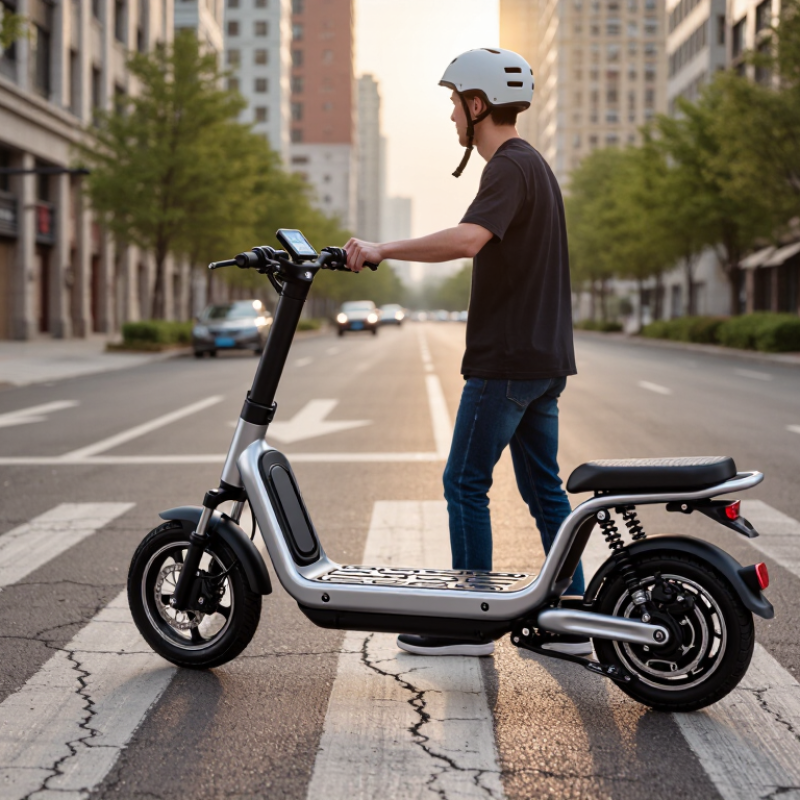
What Is a 48V Electric Scooter?

What Defines a 48V Electric Scooter

What Is a 48V Electric Scooter?

What Defines a 48V Electric Scooter

A 48V electric scooter is defined mainly by its battery system’s nominal voltage. “Nominal” is a reference value, not a promise that a meter will always read exactly 48 volts. A fully charged pack can show a higher reading, depending on its chemistry and cell arrangement. Small detail, big difference.

Voltage describes electrical pressure, while amp-hours indicate stored charge. Together, volts and amp-hours give a rough energy estimate in watt-hours: a 48V, 15Ah pack is about 720Wh. That figure helps compare battery capacity, but it does not predict range by itself. Rider weight, hills, tire pressure, temperature, and stop-and-go riding all change consumption. A short, steep climb can drain energy faster than a level commute.

The scooter’s motor and controller must be designed for the battery’s voltage range. A 48V label alone does not guarantee a particular top speed, hill-climbing ability, or acceleration. Those also depend on controller limits, motor design, gearing, and load. Not always obvious. When checking a scooter, look for the battery’s nominal voltage and capacity, plus the motor and controller specifications. I’d treat a voltage sticker as a starting point, not the whole story; manufacturers may describe system ratings differently, and that can be confusing.


How the 48-Volt Electrical System Works

A 48V scooter uses a battery pack whose nominal voltage sits near 48 volts. In a common lithium-ion layout, 13 cell groups in series provide about 46.8V, using 3.6V nominal cells. Fully charged, the same pack may reach 54.6V. Not exactly 48. The label describes a voltage class, not a constant reading. A battery management system monitors cell voltage and temperature, then helps prevent unsafe charging or discharge. BloombergNEF’s 2023 Battery Price Survey reported an average lithium-ion pack price of $139 per kilowatt-hour. That market figure is not a scooter-specific price; pack size and protection electronics vary.

When the throttle is pressed, the controller draws direct current from the battery and rapidly switches power to the motor phases. More current can produce stronger torque, while voltage influences the motor’s potential speed. The relationship is simple: watts equal volts multiplied by amps. A 48V system drawing 20A is using about 960W at that moment, before losses. Under a hill climb, battery voltage can dip slightly; a loose connector or thin wiring can add heat and reduce delivered power. That detail is easy to miss. The display may still show a healthy charge, while the controller limits output to protect the pack. So, “48V” alone cannot tell you a scooter’s range or climbing ability.

What Is a 48V Electric Scooter? How the 48-Volt Electrical System Works

“48V” describes the system’s nominal voltage, not a constant voltage. A common 13-series lithium-ion pack is about 46.8V nominal (13 × 3.6V), reaches 54.6V when fully charged (13 × 4.2V), and may approach 39V at a 3.0V-per-group low-voltage reference. Actual cutoff voltage depends on the battery cells and battery-management system.

The Main Components and Their Functions

A 48V electric scooter uses a battery pack, controller, motor, and supporting hardware to turn stored energy into motion. “48V” usually describes nominal voltage, not a constant reading; a fully charged pack can measure higher. Battery chemistry and cell arrangement affect its capacity, weight, and usable range. A battery management system monitors cell voltage and temperature, helping prevent damaging operating conditions. Small detail, big consequence.

The controller regulates power between the battery and motor, responding to throttle input and signals from sensors. The motor drives the wheel, often through a hub; its torque shapes acceleration, while its efficiency affects range. Brakes matter. A charger matched to the battery restores energy, and the frame, tires, wiring, and lights support everyday use. The IEA’s Global EV Outlook 2024 estimates nearly 10 million electric two- and three-wheelers were sold worldwide in 2023. That scale makes component reliability more than a specification-sheet concern. Yet voltage alone says little about real-world range: rider weight, hills, tire pressure, temperature, and acceleration all change energy use. A tidy wiring diagram can still leave an important question unanswered: how well does the scooter manage heat during repeated climbs?

How Voltage Affects Range, Speed, and Power

What Is a 48V Electric Scooter? How Voltage Affects Range, Speed, and Power

A 48V scooter’s voltage describes its electrical system, not its range by itself. At the same current, higher voltage can deliver more power, helping a compatible motor accelerate or climb a short hill. But the controller and motor set practical limits. IEA’s Global EV Outlook 2024 reports about 14 million electric two- and three-wheelers were sold worldwide in 2023, showing how important efficient battery use has become.

Range depends more directly on stored energy, measured in watt-hours. For example, a 48V, 15Ah battery stores about 720Wh before real-world losses. At an assumed 20Wh per kilometer, that suggests 36 kilometers; wind, rider weight, hills, cold weather, and tire pressure can reduce it. That estimate looks neat on paper, perhaps too neat. Voltage alone cannot promise speed or distance.

Tips: Compare watt-hours, not just volts, when checking battery capacity. Keep tires properly inflated, and note how far you actually travel on a typical route. A small hill or cold morning can change the result.

Charging, Safety, and Routine Maintenance

A 48V scooter uses a battery system with a nominal voltage of 48 volts. That number matters when choosing a charger: use only a charger specified for the scooter’s battery chemistry and model. A plug that fits is not proof of compatibility. Check the label and manual before connecting it.

Charge on a dry, hard surface with airflow around the battery. Keep the scooter away from heaters, direct sun, and piles of fabric. Inspect the cable for cuts or loose connectors. If the battery is unusually hot, swollen, or giving off an odd smell, stop charging and seek qualified service. Stay nearby during charging when practical. Small precautions help.

Routine checks catch ordinary wear before it becomes a ride problem. Look at the tires for low pressure, cracks, or embedded debris, and follow the pressure listed for your scooter. Squeeze both brake levers; they should feel firm, not spongy. Wipe dust from the frame with a damp cloth, then dry it. Avoid spraying water into electrical parts. Check fasteners for looseness, but do not overtighten them. I would not rely on a quick glance alone; some wear is easy to miss. Keep a simple note of tire, brake, and charging checks, especially after wet or rough rides.

Go to Top