What is a Vacuum Switch and How Does it Work?
A Vacuum Switch is a critical component in various industries, from automotive to HVAC systems. According to Dr. Jane Smith, a leading expert in the field, "Understanding how a Vacuum Switch operates can enhance system efficiency significantly." This highlights the importance of comprehending its inner workings.
In essence, a Vacuum Switch helps control operations by responding to pressure changes. It enables automatic actions, aiding in the proper functioning of machinery. However, many overlook its significance, leading to inefficient performance. This might not seem critical but it often results in unnecessary energy waste and increased operational costs.
Exploring the nuances of a Vacuum Switch reveals areas for improvement. Not all switches are created equal, and the choice of the right one can greatly affect performance. Furthermore, misunderstanding its functionality may hamper system reliability. Continuous education on this topic is essential for optimizing equipment efficiency and longevity.
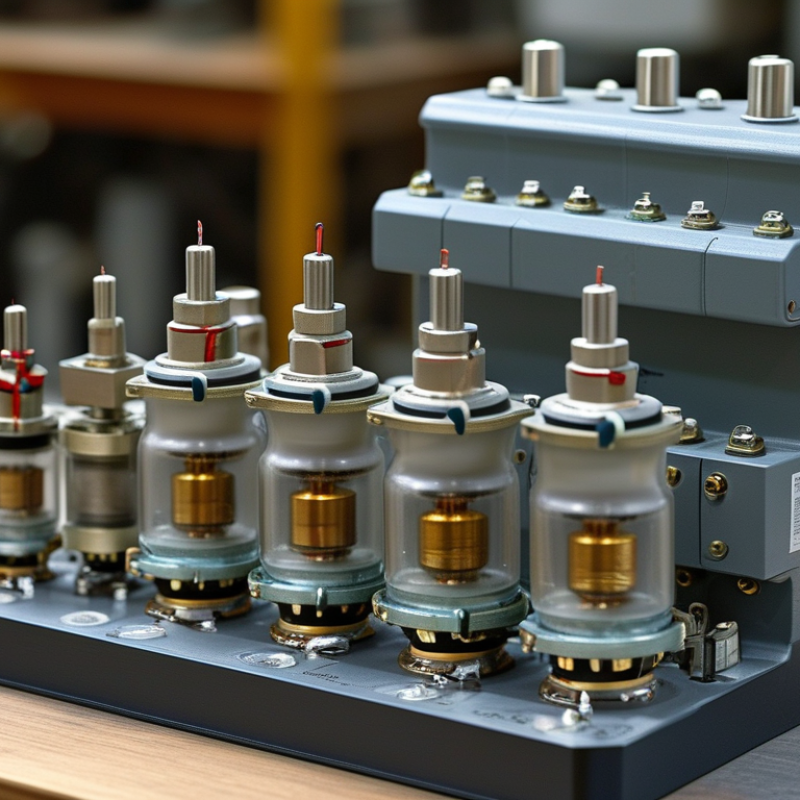
What is a Vacuum Switch?
A vacuum switch is an essential component in various systems that require monitoring of vacuum levels. It is typically used in industrial and automotive applications to detect pressure changes. When the vacuum level rises or drops below a preset threshold, the switch activates, sending a signal to other devices. This mechanism helps maintain optimal conditions in systems such as refrigeration units and HVAC systems.
Understanding how a vacuum switch functions is crucial for troubleshooting. A vacuum switch features a diaphragm that moves in response to pressure changes. This movement opens or closes electrical contacts. If the contacts fail or the diaphragm malfunctions, the entire system can become inefficient. Regular maintenance is necessary to prevent such issues.
Many users might overlook the intricacies of vacuum switches. They may not realize that a small leak can lead to significant performance issues. Each component should be checked and tested periodically. This attention to detail can enhance reliability and extend the lifespan of the system. Ensuring proper installation and setting accurate thresholds is vital for optimal performance.
What is a Vacuum Switch and How Does it Work?
| Feature | Description | Applications |
| What is it? | A vacuum switch is an electromechanical device that controls the operation of a system based on the presence or absence of vacuum pressure. | Used in HVAC systems, automotive applications, and industrial equipment. |
| How does it work? | It activates or deactivates electrical signals based on the changes in vacuum level, triggering actions in the connected devices. | Commonly used to monitor vacuum levels in filtration systems and as safety switches. |
| Types | There are different types of vacuum switches, including mechanical types, electronic types, and differential types. | Utilized in laboratory environments, automotive pressure systems, and HVAC controls. |
| Benefits | Provides precise control, enhances system efficiency, and improves safety by detecting low or high vacuum conditions. | Applicable in automation systems, refrigeration units, and pneumatic devices. |
| Considerations | Selecting the correct vacuum switch involves considering the required vacuum range, electrical rating, and environmental conditions. | Critical for ensuring operational reliability in various equipment setups. |
The Components of a Vacuum Switch
A vacuum switch is a vital component in various systems. It regulates pressure by allowing or blocking airflow. Knowing its parts helps in understanding how it operates.
The primary components of a vacuum switch include a diaphragm, a spring, and electrical contacts. The diaphragm responds to pressure changes. When the pressure drops, the diaphragm moves, compressing the spring. This movement either opens or closes the electrical contacts. The design of these parts is crucial for accurate readings. Misalignment can lead to failures.
Tips: Regularly inspect your vacuum switch for signs of wear. Clean any debris that may cause obstruction. Over time, small faults may emerge. Addressing them promptly ensures longevity.
Another point to consider is the calibration of the switch. Without proper calibration, the switch may not function effectively. A small mistake can make a system inefficient. Reflect on the performance of your vacuum switch. Regular checks enhance reliability and accuracy.
How a Vacuum Switch Operates
A vacuum switch is a critical component in many industrial applications. It operates by monitoring the pressure within a system. When the pressure drops to a certain level, the switch activates or deactivates a circuit. This mechanism ensures that equipment operates at optimal levels, preventing malfunctions due to insufficient suction or pressure. Data shows that effective vacuum management can enhance performance efficiency by up to 30%.
The vacuum switch typically includes a diaphragm that responds to pressure changes. When external pressure exceeds set parameters, the diaphragm moves, triggering electrical contacts. This simple operation plays a vital role in systems such as HVAC, packaging, and material handling. Industry reports indicate that improper vacuum levels can lead to significant production downtime, highlighting the need for reliable vacuum switches.
Tip: Regular maintenance of your vacuum systems is crucial. Check for leaks and test switches periodically.
In some cases, vacuum switches may fail to operate due to dust or debris. This can lead to system inefficiencies. Awareness of common issues can help operators make timely adjustments. Proper installation and calibration are necessary for optimal performance.
Common Applications of Vacuum Switches
Vacuum switches play a crucial role in various applications across different industries. They are designed to control and monitor vacuum levels in systems, helping to ensure optimal operation. Common applications include HVAC systems, industrial processes, and automotive systems. In HVAC, these switches help maintain energy efficiency by regulating pressure.
In industrial processes, vacuum switches help monitor packaging or material handling. They ensure that bags are sealed properly under vacuum conditions. In the automotive industry, these devices maintain the necessary vacuum levels for features such as brake boosters, enhancing safety and performance.
Tip: Regularly inspect your vacuum switches to ensure they function correctly. A faulty switch can lead to system inefficiencies and increased operational costs.
Another important application is in laboratory settings. Vacuum switches help maintain precise pressure levels during experiments. This is crucial in fields like chemistry and biology where even slight variances can affect outcomes.
Tip: Keep a log of vacuum switch performance to identify any patterns or issues over time. This documentation can aid troubleshooting efforts down the line.
Benefits of Using Vacuum Switches in Systems
Vacuum switches play a crucial role in various industrial systems. They help monitor and control negative pressure environments effectively. By operating on the principle of pressure sensing, these switches ensure that systems run smoothly and safely.
The benefits of using vacuum switches are significant. First, they enhance safety by preventing dangerous pressure fluctuations. According to a report from the International Society of Automation, integrating vacuum switches can reduce system failures by up to 30%. This reliability is essential, especially in critical applications like pharmaceutical manufacturing.
Moreover, vacuum switches improve efficiency. Systems equipped with these devices can operate at optimal levels, reducing energy consumption. This not only lowers operational costs but also promotes sustainability. When evaluating your system's needs, consider the pressure range and response time of vacuum switches for optimal results.
Tips: Regular maintenance is key. Check vacuum switch settings periodically. This prevents discrepancies in system performance. Ensure to calibrate your devices as needed for accurate pressure readings.