Counterbalanced lifts are familiar sights in warehouses, yards, and loading bays. Their simple outline can hide important differences. Tire type, turning radius, power source, and lifting capacity all affect how a truck performs on a real shift.
The Industrial Truck Association’s annual shipment reports track industrial trucks by class and power source, offering a useful view of changing equipment choices. OSHA, meanwhile, has cited estimates of about 85 forklift-related deaths and 34,900 serious injuries each year in the United States. Those figures are a reminder: selection and operator training matter. Every day.
MHI chief executive John Paxton has emphasized that material-handling decisions should support the operation’s broader needs. That principle applies to counterbalanced lifts, though the right choice is rarely obvious from a specification sheet alone. A three-wheel electric truck may turn neatly between narrow racks; a four-wheel model may feel steadier across a rough yard. Cushion tires suit smooth indoor floors, while pneumatic tires handle uneven outdoor surfaces better.
Small details count. Measure aisle width. Check floor conditions. Note the heaviest pallet and the height it must reach. Then compare electric, LPG, diesel, and other configurations against actual duty cycles—not assumptions. This guide examines the top types of Counterbalanced Lift, their strengths, and their trade-offs. Some applications will resist a tidy answer. That is worth admitting.
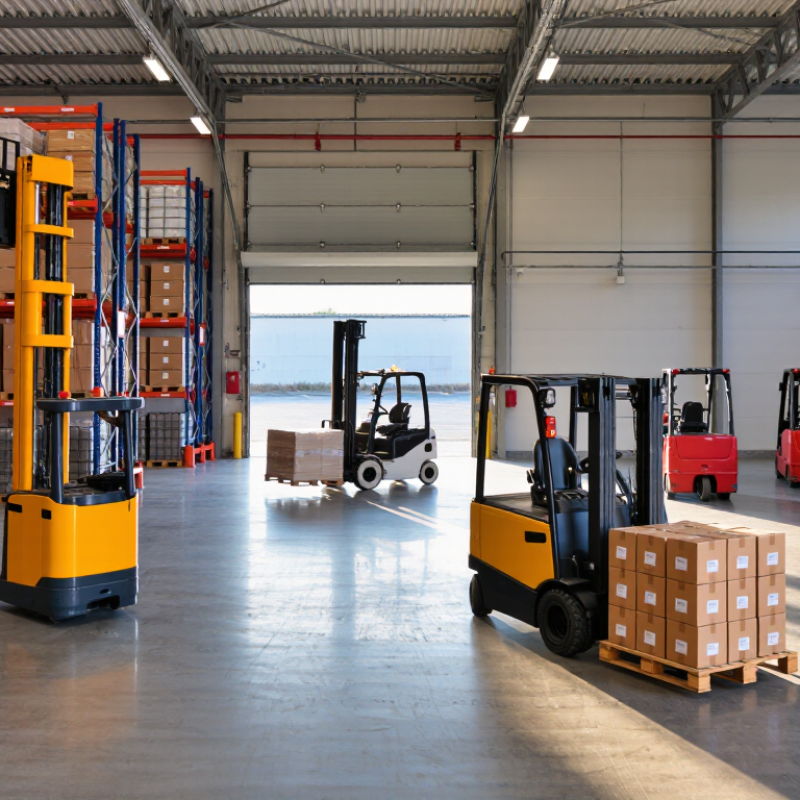
Electric counterbalance lifts carry loads on forks at the front, while a rear counterweight helps balance the machine. They are common in warehouses, loading bays, and production areas where pallets need frequent movement. No support legs extend beneath the load, so operators can approach many standard pallets directly. That practical layout is useful, but it also demands clear turning space.
Electric power can reduce exhaust emissions and engine noise in indoor work areas. It may also suit facilities with predictable shifts and access to charging points. Check the lift’s rated capacity at the actual load center; a long or uneven pallet can reduce safe lifting capacity. Small detail. Tire type, floor condition, and ramp gradients matter too, especially where smooth concrete meets a rough yard.
Before choosing a lift, compare battery runtime with daily operating hours and planned breaks. A unit that handles the heaviest pallet may still be a poor fit if its turning radius blocks narrow aisles. Operators should inspect forks, tires, warning devices, and brakes before use, following the equipment manual and site procedures. These checks can feel routine, and that is exactly when details are easiest to miss. A careful trial in the real work area often reveals constraints that a specification sheet cannot.

Internal combustion counterbalance lifts use an engine and a rear counterweight to balance loads carried on front forks. Unlike reach trucks, they do not need support legs extending beneath the load. This makes them useful for moving pallets across yards, loading trailers, and working on uneven outdoor surfaces. They are not quiet. Engine noise and exhaust are real operating considerations.
Fuel type affects where the lift is practical. Diesel models are often selected for demanding outdoor work, while gas or liquid-propane models may suit some mixed-use settings. All produce emissions, so indoor operation requires careful attention to ventilation and site procedures. Check the machine’s capacity plate before lifting: load weight, lift height, and attachments can change what it can safely handle. A long extension or bulky load may reduce capacity more than expected.
Daily checks matter. Look for damaged forks, leaking fluid, worn tires, and clear visibility from the operator’s seat. On a wet yard, even a capable lift can lose traction; smooth steering and a reduced speed help limit risk. Do not assume a familiar route is always safe. Turning space, overhead clearance, and changing ground conditions deserve another look, especially when carrying a raised load.
Common internal-combustion fuel types include LPG, diesel, gasoline, and CNG.
How to read this chart: The 5,000 lb value is a common illustrative capacity reference, not a rating unique to any fuel type. Actual capacity depends on the specific lift truck and its configuration, including load center, mast, and attachments.
Three-wheel counterbalance lifts suit work areas where turning space is limited. Their compact chassis can help operators maneuver around close-set racks and narrow production aisles. A rear steering wheel or closely spaced rear wheels allow tight turns, while the counterweight balances the load carried at the front. Tight turns matter.
That maneuverability does not remove the need for careful load planning. The lift’s capacity changes with load position, lift height, and any fitted attachment, so check the rated capacity chart before handling a pallet. A short wheelbase can also mean less tolerance for uneven floors or sharp turns with an elevated load. Compact is not carefree.
These lifts often work well indoors on firm, level surfaces, especially when frequent turning is part of the shift. Before choosing one, measure aisle widths, door openings, and turning clearances, then compare them with the lift’s specifications. Operators should keep loads low while traveling and follow site procedures for inspections. Small details count. A floor seam or a poorly centered load may seem minor, but both can affect smooth handling. The right choice depends on the actual route, not just the tightest aisle.
Three-wheel counterbalance lifts are electric forklifts designed for maneuverability, particularly in indoor areas with limited turning space. Specifications vary by model; the figures below are general operating ranges, not guarantees.
| Type or configuration | Typical rated capacity | Typical strengths | Common applications | Key considerations |
|---|---|---|---|---|
| Compact three-wheel electric | About 1,000–1,500 kg | Small turning footprint and easy maneuvering in confined indoor spaces. | Small warehouses, retail stockrooms, and light-duty material handling. | Check aisle width, load dimensions, and remaining capacity at the required lift height. |
| Standard warehouse three-wheel electric | About 1,500–2,000 kg | Balances maneuverability with capacity for routine pallet handling. | Distribution centers, manufacturing facilities, and general warehouse work. | Capacity decreases when loads are elevated or their centers of gravity are farther from the mast. |
| Higher-capacity three-wheel electric | Around 2,000 kg or more on some models | Offers greater rated capacity while retaining a three-wheel layout. | Indoor operations handling heavier pallets where turning space is restricted. | Confirm the truck’s data plate, floor loading, stability limits, and actual load dimensions before use. |
| Cushion-tire configuration | Model-dependent; commonly in the ranges above | Compact tires and a low-profile design suit smooth, hard indoor floors. | Indoor warehouses and facilities with paved, even surfaces. | Less suitable for rough, uneven ground; tire choice affects traction and ride quality. |
| Pneumatic-tire configuration | Model-dependent; check the rated capacity plate | Tires can provide more compliance on imperfect surfaces than solid cushion tires. | Selected mixed-surface operations, where the specific truck is approved for the conditions. | Availability varies; verify tire type, ground clearance, surface suitability, and operating limits. |
Selection tip: Compare the rated capacity at the intended load center and lift height, turning dimensions, mast height, battery runtime, and floor conditions. Always follow the forklift’s data plate and operator manual.
Four-wheel counterbalance lifts carry their load ahead of the front axle, using the machine’s rear weight to balance it. Their four-wheel layout can provide steady handling on firm warehouse floors, loading bays, and paved yards. The forks slide beneath a pallet, while the mast raises it without needing support legs beneath the load. Useful when space is limited around a pallet. Yet the counterweight takes up room behind the truck, so tight turns still need careful planning.
Before choosing one, compare the rated capacity with the load’s weight, shape, and center of gravity. A long or uneven load can reduce safe lifting capacity, even when it looks manageable. Check the data plate and the lift’s operating guidance; do not rely on a headline capacity alone. Tire type matters, too. Solid tires suit many smooth indoor floors, while rougher outdoor surfaces may call for a different setup. A tidy specification sheet can make the choice look simple, but real aisles rarely are. Measure turning space, doorway height, and floor condition at the actual site. I would also review visibility from the operator’s seat, since a tall load can hide nearby people or obstacles. The right four-wheel lift depends on the work, not just the rated capacity.
Specialized counterbalance lift designs adapt the familiar front-fork, rear-weight layout to different workspaces. Three-wheel electric models can turn tightly, making them useful in indoor aisles where pallet corners nearly brush shelving. Four-wheel versions generally offer a steadier feel on longer travel routes or uneven floors. The trade-off matters. A smaller turning circle does not automatically mean a safer or faster operation.
Compact counterbalance lifts suit low-clearance areas and lighter-duty handling, while rough-terrain models use larger tires and higher ground clearance for firm outdoor surfaces. Some designs prioritize higher lift capacity or longer operating shifts. Match the machine to the load, aisle width, floor condition, and lift height—not just the available space. A spec sheet can look reassuring; the site often tells a less tidy story.
Tips: Measure the narrowest aisle and check overhead clearance before selecting a lift. Confirm the rated capacity at the actual load center, especially with bulky pallets. Inspect tires, forks, and visibility from the operator position. Small details count. A blocked view is easy to underestimate. If the layout changes often, leave room to reassess the choice.
© 2023 JEM Electronics, Inc. – United States Cable Assembly. All rights reserved.