
Blog

Why Choose Power Generators for Global Buyers?

Power Generators support hospitals, construction sites, farms, data centers, and remote facilities worldwide. They provide dependable electricity when public grids become unstable or unavailable. For global buyers, the decision involves more than comparing engine sizes and prices. It requires careful attention to operating conditions, fuel quality, service access, and local electrical standards.

A suitable generator begins with accurate load planning. Buyers should identify starting currents from pumps, compressors, and refrigeration equipment. They should also allow practical reserve capacity for future expansion. A 500 kVA unit may appear sufficient, yet frequent overloads can shorten engine life and increase maintenance costs. Continuous, prime, and standby ratings must be clearly distinguished. This detail is often overlooked.

Environmental conditions matter as well. High temperatures, dust, humidity, and altitude can reduce performance. A coastal installation may need stronger corrosion protection. A mining site may require reinforced enclosures and advanced filtration. Reliable suppliers should provide test records, warranty terms, spare-parts support, and trained technicians. Documentation should match the destination market, including applicable emissions, safety, and electrical requirements.

Real experience also reveals limitations. No generator is maintenance-free. Fuel storage, battery checks, oil changes, and load testing remain essential. Delivery delays can affect remote projects. Currency changes may alter the final cost. These risks deserve honest planning rather than optimistic promises. When buyers assess Power Generators through verified specifications, lifecycle expenses, and dependable after-sales support, they can make stronger decisions for demanding global applications. The best choice is rarely the cheapest unit. It is the system that performs safely, efficiently, and consistently over time.
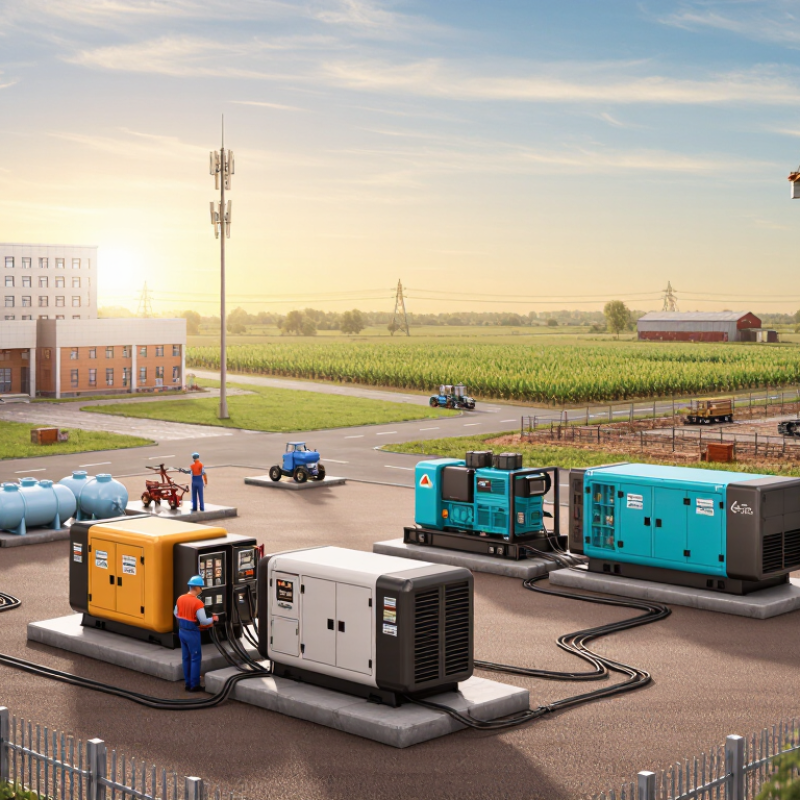
Why Choose Power Generators for Global Buyers?

What Power Generators Are and How They Work

Why Choose Power Generators for Global Buyers?

A power generator converts mechanical energy into electrical energy. Most units use an engine to turn an alternator. The alternator then produces electricity for connected equipment. It is not a battery. It creates power while fuel or another approved energy source is available.

In practical operation, the engine burns fuel inside controlled cylinders. This movement rotates the alternator’s magnetic field. The resulting current passes through protection devices and reaches the load. A voltage regulator helps keep output stable when demand changes.

For example, a workshop may start with lights, then add compressors and welding equipment. Each added load affects the generator differently. Starting current can briefly exceed normal running demand.

Sizing requires more than adding nameplate wattage. A buyer should check starting loads, operating hours, ambient temperature, altitude, and required voltage. A unit that is too small may overheat or trip repeatedly. Too large, and fuel use may become unnecessarily high. I have found that real site conditions often differ from project estimates. That gap deserves careful review.

Maintenance also shapes reliability. Operators should inspect oil, coolant, filters, belts, battery connections, and exhaust paths. The installation needs proper ventilation and grounding. Local electrical, emissions, noise, and fuel-storage rules may also apply. Remote sites need accessible service parts and trained technicians. Small oversights matter. A loose terminal can stop an entire work area. Load testing should be performed periodically, although many operators postpone it. That is understandable, but risky.


Why Global Buyers Need Reliable Independent Power

Global buyers need reliable independent power when grid service is weak, costly, or unavailable. A generator can keep refrigeration, pumps, workshops, and communications operating during an outage. The value is practical: power arrives where the work is. In field projects, I have seen a carefully sized unit protect an entire shift from costly delays. I have also seen poor sizing waste fuel and create unstable voltage. That mistake is easy to underestimate. Buyers should calculate starting loads, continuous demand, altitude, temperature, and expected running hours. A unit that looks sufficient on paper may struggle when several motors start together. Reliability begins with accurate information, not a dramatic sales promise.

Independent power also supports remote construction, agriculture, healthcare, and emergency operations. Yet no generator is perfect. A dependable system needs routine inspections, clean fuel, correct ventilation, and accessible spare parts. Operators should check oil levels, battery condition, coolant, wiring, and automatic transfer functions. Small details matter. Before purchase, confirm that the equipment meets electrical, safety, and emissions requirements in the destination market. Ask for load-test records and clear maintenance guidance. Service response matters as much as rated output, especially when roads, weather, or distance delay repairs. A lower purchase price may become expensive if fuel consumption is high or technical support is uncertain. Buyers should compare total operating cost, not only the number on the quotation. Reliability is built through careful planning, honest testing, and disciplined daily use.

Key Generator Types for Different International Applications

Why Choose Power Generators for Global Buyers?

International buyers rarely need the same generator for every site. Climate, fuel access, grid stability, noise limits, and local service capacity all influence the choice. Diesel generators remain practical for construction sites, remote clinics, and emergency power. They provide strong starting performance for pumps, compressors, and medical equipment. However, fuel storage and emissions rules require careful planning.

Natural gas generators suit factories, hotels, and commercial buildings with stable gas connections. They can reduce on-site fuel handling and often operate more quietly. Gas pressure must remain reliable, though. A backup plan is still necessary. Portable inverter generators fit small workshops, outdoor services, and sensitive electronics. Their cleaner electrical output protects computers and control systems. They usually offer less capacity than larger industrial units.

Standby generators support offices, warehouses, and residential complexes during grid failures. Automatic transfer systems can restore power within seconds. Heavy-duty prime generators work better where electricity is unavailable for long periods. Marine and weather-resistant configurations serve coastal facilities, farms, and humid regions. I have seen buyers focus on rated output and overlook altitude or cold-start performance. That mistake can reduce available power. No model fits every market. A realistic load calculation, local maintenance skill, spare-parts access, and applicable certification should guide the purchase. Sometimes, a smaller unit with proper load management performs more reliably than an oversized machine.

Why Choose Power Generators for Global Buyers? - Key Generator Types for Different International Applications

Generator Type Typical Power Range Primary Fuel or Energy Source Best-Fit International Applications Main Advantages Key Purchasing Considerations Typical Operating Characteristics
Diesel Generator Approximately 5 kVA to 3,000+ kVA Diesel fuel Construction sites Factories Hospitals Backup power High torque, strong load-handling capability, long service life, and broad availability of fuel and maintenance support. Fuel quality, emissions requirements, noise limits, altitude derating, cooling-system design, spare-parts access, and continuous or standby rating. Suitable for continuous, prime, and standby operation. Larger units generally require sound attenuation, exhaust treatment, and professional installation.
Natural Gas Generator Approximately 20 kW to 10 MW Pipeline natural gas or compressed natural gas Commercial buildings Urban facilities Combined heat and power Microgrids Lower on-site fuel storage requirements, comparatively clean combustion, and reduced fuel-spill risk. Gas pressure and availability, pipeline reliability, methane regulations, starting performance, local utility approvals, and emergency fuel planning. Often used for prime or standby power where a dependable gas network is available. Output can be affected by gas composition and ambient conditions.
Gasoline Portable Generator Approximately 0.8 kW to 15 kW Gasoline Small tools Residential backup Outdoor events Emergency response Compact size, relatively low initial cost, easy transport, and simple short-term deployment. Fuel-storage safety, runtime, carbon-monoxide protection, starting method, voltage quality, weather protection, and local fuel regulations. Best for intermittent and temporary use. It should never be operated indoors or in an enclosed area because of exhaust-gas hazards.
Dual-Fuel Generator Approximately 2 kW to 25 kW for portable models; larger systems also exist Gasoline and liquefied petroleum gas Residential backup Remote work sites Disaster preparedness Mobile operations Provides fuel flexibility and can extend emergency preparedness where one fuel type is temporarily unavailable. Fuel-switching procedure, regulator compatibility, cylinder availability, storage rules, output differences between fuels, and cold-weather performance. Power output and runtime may vary by fuel. LPG generally stores well, while gasoline is widely available but has stricter storage considerations.
Inverter Generator Approximately 1 kW to 7 kW Usually gasoline; some models support LPG Sensitive electronics Camping Mobile medical equipment Small offices Stable electrical output, lower noise, improved fuel efficiency at partial load, and compact portability. Continuous rated output, parallel-operation capability, waveform quality, battery-start performance, service support, and ventilation requirements. The engine speed can reduce under light loads, helping lower noise and fuel consumption. It is generally better suited to smaller loads than heavy industrial starting loads.
Biogas Generator Approximately 30 kW to several MW Biogas from wastewater, landfill, agriculture, or food-processing waste Wastewater plants Farms Landfills Food-processing facilities Converts locally available waste gas into electricity and can reduce dependence on purchased fossil fuels. Methane concentration, hydrogen sulfide removal, moisture control, gas cleaning, siloxane management, and engine maintenance intervals. Electrical output depends on gas quality and flow stability. Gas treatment is essential for reliable operation and component protection.
Solar-Battery Generator System Approximately 1 kWh to several MWh of storage capacity Solar photovoltaic modules and rechargeable batteries Remote telecom sites Off-grid homes Temporary facilities Hybrid microgrids Quiet operation, zero on-site combustion emissions, low routine maintenance, and excellent suitability for renewable-energy integration. Solar resource, battery chemistry, usable capacity, discharge limits, temperature control, replacement planning, inverter ratings, and recycling requirements. Performance depends on sunlight, load profile, and battery state of charge. A backup generator may be required for extended cloudy periods or critical loads.
Hybrid Generator System Commonly 10 kW to multi-megawatt systems Engine generator combined with solar, battery storage, or other generation Remote construction Mining Island grids Critical infrastructure Reduces engine runtime and fuel consumption while improving resilience and supporting renewable-energy targets. Energy-management controls, synchronization, battery capacity, communications protocol, grid compatibility, commissioning, and operator training. The battery and renewable source can handle variable loads, while the engine starts when demand or reserve requirements exceed available stored energy.
Trailer-Mounted Generator Approximately 20 kVA to 2,000+ kVA Usually diesel; gas-powered configurations are also available Events Emergency restoration Road projects Rental fleets Rapid deployment, flexible relocation, integrated fuel and control systems, and practical use across multiple project sites. Road regulations, trailer dimensions, towing capacity, axle load, export documentation, site access, grounding, and regional electrical connections. Designed for mobile operation and temporary power. Correct positioning, leveling, earthing, cable protection, and routine inspection are essential.
Marine Generator Approximately 5 kW to 3,000+ kW Marine diesel or other approved marine fuels Commercial vessels Offshore platforms Workboats Port operations Built for confined spaces, vibration, humidity, variable loads, and dependable operation in demanding marine environments. Marine classification requirements, corrosion protection, seawater cooling, exhaust routing, vibration isolation, fire safety, and onboard maintenance access. Requires specialized installation and protection against saltwater exposure. Load-sharing and redundancy are important for vessel safety and operational continuity.

Note: Power ranges are typical market categories and vary by configuration, application, local regulations, ambient conditions, and manufacturer specifications. Actual output may be derated at high altitude or temperature.

How to Compare Fuel, Capacity, Efficiency, and Operating Costs

Global buyers should compare generators by delivered power, not brochure size. A 500 kVA standby unit may not support a 500 kVA continuous load. ISO 8528-1 separates standby, prime, and continuous ratings. Match the rating to duty, altitude, ambient heat, and motor starting current. Uptime Institute’s 2024 Global Data Center Survey reported that 53% of respondents experienced an outage within three years. Reliability has a measurable cost.

Fuel choice changes logistics. Diesel stores easily, but tanks require testing and replenishment. Natural gas can reduce onsite storage, yet pipeline pressure may fail during regional emergencies. Compare fuel use at 25%, 50%, 75%, and 100% load. The load curve matters more than peak capacity. The IEA’s Electricity 2024 report forecast global electricity demand growth of about 4% in 2024. Backup systems face heavier workloads.

Calculate operating cost across fuel, maintenance, testing, transport, emissions controls, and downtime exposure. The U.S. Energy Information Administration lists diesel at roughly 137,000 Btu per gallon in its energy conversion tables. That figure is only an input, not actual generator efficiency. Real performance changes with load, temperature, maintenance, and fuel quality. A spreadsheet can still lie. I would also question the lowest quoted fuel figure. It may exclude standby losses, service visits, or emergency delivery. Compare local technician coverage, spare-parts access, and warranty response times before signing.

What to Check Before Purchasing a Generator Across Borders

Why Choose Power Generators for Global Buyers?

What to Check Before Purchasing a Generator Across Borders

Global electricity demand is rising quickly. The International Energy Agency’s Electricity 2024 report forecasts approximately 4% annual growth in 2024 and 2025. Reliable backup power is becoming a practical requirement, not a luxury. However, international purchasing involves more than comparing engine output and prices.

Start with the electrical specification. Confirm rated and standby kVA, voltage, frequency, phase, altitude, temperature, and load profile. Voltage mismatch is expensive. Check whether the generator meets ISO 8528 performance requirements and the destination’s emissions rules. Request factory test results, protection settings, noise data, and a clear fuel-consumption curve. Certificates should match the exact model, not a similar product. This detail is often overlooked.

Cross-border logistics can change the final cost. The World Bank’s Logistics Performance Index 2023 evaluates customs, infrastructure, tracking, and delivery reliability. Ask who handles export documents, import duties, port storage, inland transport, and insurance. Confirm the HS code with a qualified customs professional. Also inspect warranty coverage, spare-parts availability, remote support, and local technician access. A low purchase price may hide long delays. That is an uncomfortable lesson, but a common one.

Tips: Request a load-bank test before shipment. Compare total landed cost, not the invoice alone. Check crating dimensions and lifting points. Keep every certificate and serial number together. Do not guess. A spreadsheet can still miss seasonal fuel restrictions, weak grid conditions, or an unsuitable service network.

Go to Top