Blog

Top 10 Cable Harness Manufacturers for Global Buyers?

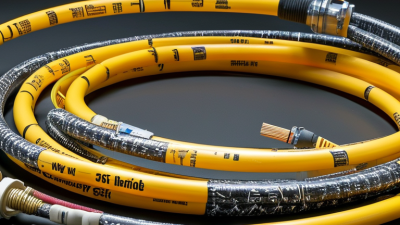
A cable harness is easy to overlook until a vehicle, machine, or aircraft cannot function without it. It bundles wires, terminals, connectors, and protective coverings into an assembly designed for a specific job. For global buyers, the challenge is not simply finding a low quote. It is confirming that a supplier can meet the required specifications, production volume, delivery schedule, and quality expectations.

Market reports offer useful context, but their estimates vary by scope. Fortune Business Insights valued the global wire harness market at USD 81.96 billion in 2023 and projected growth through 2032. That forecast signals sustained demand, not a guarantee that every manufacturer can serve every application. Buyers should verify capabilities directly. A supplier’s experience with automotive assemblies, for example, does not automatically prove expertise in industrial or medical equipment.

Details matter. Ask how the manufacturer controls crimp quality, labels circuits, protects connectors, and traces materials between production batches. Request relevant certifications and evidence of inspection processes, then check whether those credentials apply to the facility making your parts. There is no perfect shortlist. Public company profiles can omit important limitations, and supplier rankings rarely reveal the full picture. This guide compares ten cable harness manufacturers for global buyers, with attention to product focus, manufacturing reach, and practical questions to investigate before requesting a quote.
Top 10 Cable Harness Manufacturers for Global Buyers?

Understanding Cable Harness Manufacturers and the Global Market

Cable harness manufacturers bundle wires, terminals, connectors, and protective sleeves into assemblies designed for a specific product. The details matter: a harness may run beside a motor, bend around a dashboard, or pass through a damp enclosure. Buyers should compare drawing control, traceability, testing methods, and capacity for repeat production, not just unit price. A low quote can hide costly rework.

Demand is changing with vehicle electrification. The International Energy Agency’s Global EV Outlook 2024 reports nearly 14 million electric cars sold worldwide in 2023, about 18% of new car sales. That shift can increase demand for specialized wiring, while also changing requirements for insulation, shielding, and connection design. The report describes the market, not a guaranteed forecast for any one harness supplier. Specifications still vary by application.

Tips: Request a sample built to your drawing. Check wire labels, connector fit, and continuity-test records. Ask how revisions are controlled. Small inconsistencies matter. I have seen teams focus heavily on material cost and overlook packaging or assembly access. That is easy to regret later. A supplier’s quality documents help, but they do not replace a clear specification and practical sample review.

How to Evaluate Cable Harness Manufacturers for International Sourcing

International sourcing makes cable harness selection more complex than comparing unit prices. Buyers should confirm the manufacturer’s experience with the required wire types, connectors, routing, and operating conditions. Ask for sample assemblies, inspection records, and clear drawings before approving production. A harness that looks correct on a desk may still fail when bent repeatedly or exposed to heat.

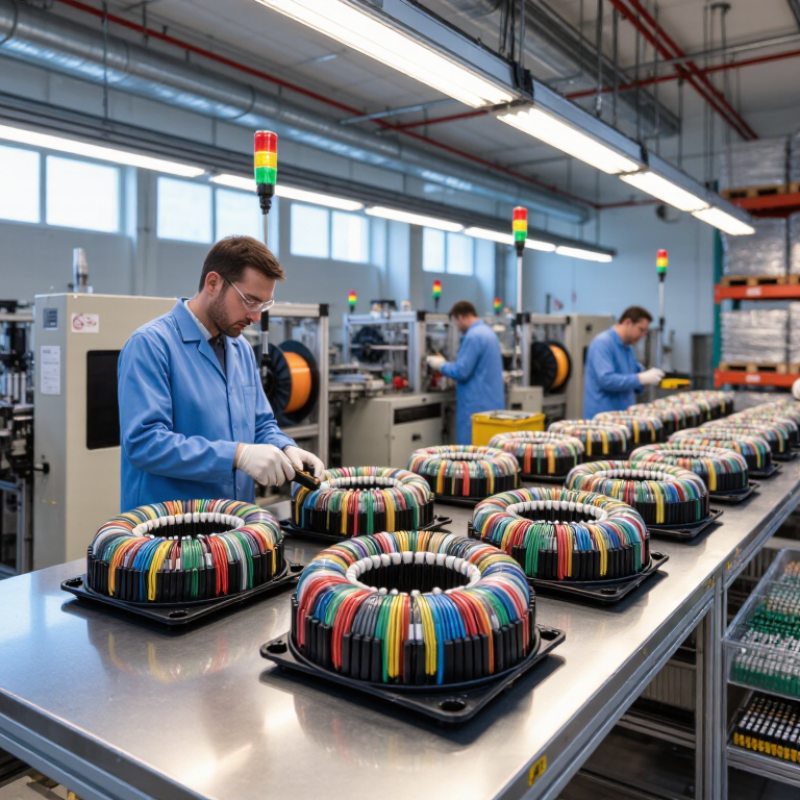
Evaluate quality controls on the factory floor. Check how operators verify crimp height, wire length, pin placement, and continuity. Ask how production changes are documented and how rejected parts are handled. Confirm that packaging protects connectors from moisture and prevents wires from tangling during transport. Communication matters, too. Agree on drawing revisions, response times, and shipping milestones in writing. One overlooked revision can create expensive rework.

Tips: Request a small pilot batch and inspect several pieces yourself. Keep one sample as a reference for later orders. Ask the supplier to explain its test results in plain language. A polished audit cannot predict every production issue; even careful buyers may miss something. Build in time for corrections, especially when specifications are still changing.

Top 10 Cable Harness Manufacturers for Global Buyers? - How to Evaluate Cable Harness Manufacturers for International Sourcing

Rank Evaluation Dimension What to Verify Useful Evidence Suggested Weight
1 Product and process capability Confirm the supplier can build the required wire types, gauges, connector configurations, shielding, overmolding, and assembly complexity. Capability matrix, process flow, sample assemblies, and review of comparable production experience. 15%
2 Quality management Assess documented controls for incoming materials, in-process checks, final inspection, nonconformities, and corrective actions. Current quality-system certificate where applicable, audit results, inspection plans, and anonymized defect or corrective-action records. 15%
3 Testing and validation Check that electrical and mechanical tests match the product specification and are performed with suitable, calibrated equipment. Continuity and hipot test procedures where specified, pull-test records where applicable, calibration records, and sample test reports. 12%
4 Traceability and material control Determine whether wire, terminals, connectors, and other critical components can be traced to supplier lots and production records. Example lot-trace exercise, bill-of-material controls, approved-supplier list, and material change-notification procedure. 10%
5 Compliance and documentation Verify that materials and finished products meet the destination market and end-use requirements specified by the buyer. Applicable declarations and test reports, material data, controlled drawings, and documented compliance responsibilities. 10%
6 Capacity and lead-time reliability Compare available production capacity with forecast demand, seasonality, minimum order quantities, and replenishment needs. Capacity plan, production and shipment history, stated lead times, and a documented plan for demand changes. 10%
7 Engineering support and change control Evaluate drawing review, design-for-manufacture feedback, sample turnaround, and controls for engineering changes. Engineering review workflow, revision-controlled sample documents, change approval records, and escalation contacts. 8%
8 Total landed cost transparency Compare more than unit price, including tooling, packaging, freight assumptions, duties, payment terms, and non-recurring charges. Itemized quotation, tooling ownership terms, Incoterms® rule and named place, and quote validity period. 8%
9 Logistics and export readiness Review packaging suitability, export documentation, shipment coordination, and ability to support the buyer's delivery schedule. Packaging specification, sample shipping documents, shipping terms, and contingency procedures for delays. 7%
10 Business continuity and communication Assess operational resilience, responsiveness across time zones, language support, and escalation practices. Business-continuity overview, backup planning for critical materials, named points of contact, and response-time expectations. 5%

Use this weighted checklist to compare shortlisted suppliers. Scores and rankings should be based on verified supplier evidence and the buyer's product requirements; the table does not rank or endorse specific companies.

Comparing the Top 10 Cable Harness Manufacturers Worldwide

Comparing the Top 10 Cable Harness Manufacturers Worldwide requires more than comparing prices. The global wire harness market was valued at about USD 82.6 billion in 2023, according to Fortune Business Insights, which forecasts continued growth through 2032. That scale reflects demand across vehicles, industrial equipment, and electronics. Yet a market estimate cannot tell buyers whether a supplier will consistently label every branch, protect connectors during shipping, or meet a difficult production schedule.

Compare manufacturers on engineering support, process control, traceability, and capacity across regions. Ask for evidence: sample inspection records, test coverage, change-control procedures, and realistic lead times. A harness with dozens of conductors may look tidy on a drawing but become hard to assemble when access is tight. Small details matter. Confirm how suppliers handle substitutions and production ramp-ups; a low quote may leave these costs unclear.

Regional footprint can shorten delivery routes, but it does not guarantee resilience. Deloitte’s 2024 Global Automotive Supplier Study describes ongoing pressure on suppliers from cost, technology shifts, and supply-chain uncertainty. Buyers should therefore examine second-source options and component availability, not just factory location. The comparison is imperfect: published reports group products differently, and supplier claims are not directly comparable. Request the same specifications and audit criteria from each candidate, then verify the answers against production evidence.

Key Industries and Applications Served by Leading Manufacturers

Cable harness manufacturers serve industries where reliable power and signal routing matter. In automotive production, harnesses connect sensors, lighting, control units, and battery systems. A vehicle may contain kilometers of wire, routed through narrow channels and exposed to vibration, heat, moisture, and abrasion. Manufacturers typically adapt conductor size, insulation, connectors, and protective sleeves to each installation.

Industrial equipment uses harnesses to link motors, switches, sensors, and control panels. Here, clear labeling and consistent assembly can reduce installation mistakes and simplify maintenance. Medical equipment may require compact, cleanable assemblies with dependable connections, while aerospace applications place particular emphasis on weight, traceability, and environmental testing. Requirements vary by device and operating conditions; a specification alone does not guarantee performance.

Telecommunications and energy systems also rely on harnesses for organized connections inside cabinets, charging equipment, and monitoring systems. Buyers should compare production controls, inspection methods, material documentation, and experience with their intended application. Ask how samples are tested and how design changes are recorded. The details can be tedious. Still, one overlooked bend radius or connector mismatch may delay installation. Not every supplier will fit every project, and published capability claims deserve verification against actual samples and documented test results.

Quality Standards, Supply Chain, and Customization Considerations

A cable harness can look simple on a drawing and still fail in service. Global buyers should check how a manufacturer controls crimp height, conductor placement, insulation stripping, and final continuity. Ask for inspection records tied to production batches, not only a general quality certificate. A sample report should show measured values and clear acceptance limits. Small details matter.

Standards are useful only when they match the harness’s intended environment. A vehicle, factory machine, and outdoor sensor may face different heat, vibration, moisture, and abrasion risks. Confirm which tests apply, how often they are repeated, and who reviews failed results. If a supplier cannot explain a test in practical terms, pause. Paperwork alone is not proof.

Supply continuity deserves the same scrutiny as workmanship. Discuss component sourcing, approved substitutes, lead times, and how shortages are communicated. Customization may involve connector keying, wire color, branch length, labels, or protective sleeving. Provide drawings and sample assemblies, then verify fit on the actual equipment. A first prototype can expose awkward routing that a tidy CAD image hides. Be candid about forecast uncertainty; rigid commitments made too early can create avoidable inventory. Even a strong supplier relationship needs periodic checks, because processes and upstream parts can change.

Go to Top