Why Are Wire Assemblies Important for Global Buyers?
Global buyers rarely see wire assemblies as the most visible part of a product. Yet these components quietly connect power, signals, sensors, and controls across almost every industry.
In a factory, one loose terminal can stop a production line. In medical equipment, poor routing can create difficult service problems. In vehicles, vibration, heat, and moisture test every connection. These details explain why sourcing decisions require more than a low unit price.
Ron Francis, founder of Ron Francis Wiring, offers a practical principle: “The quality of your wiring is only as good as the quality of your connections.”
That principle still matters.
Reliable wire assemblies can improve installation speed, reduce rework, and support consistent product performance. Global buyers also need clear drawings, traceable materials, controlled crimping, and repeatable inspection records. Supplier communication matters just as much. A small change in conductor size or connector plating may affect the entire system.
Experience shows that samples can look perfect while production reveals variation. That uncomfortable possibility deserves attention. No supplier relationship should depend only on attractive photographs or confident promises. Buyers should review testing methods, tolerances, packaging, and change-control procedures before placing large orders.
Cost remains important. It is not the only measure.
The strongest sourcing strategy balances price, quality, availability, compliance, and technical support. Regional delivery requirements may influence the decision too. A dependable supplier should explain limitations honestly and provide evidence for important claims.
For global buyers, wire assemblies are not merely purchased parts. They are critical links between design intent and dependable operation. The right evaluation process protects performance long after the shipment arrives.
What Are Wire Assemblies and What Do They Include?
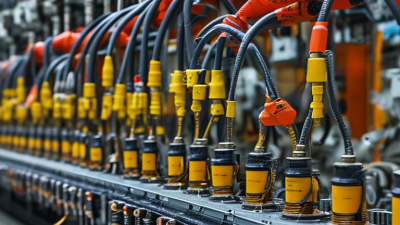
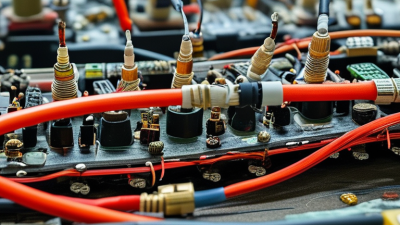
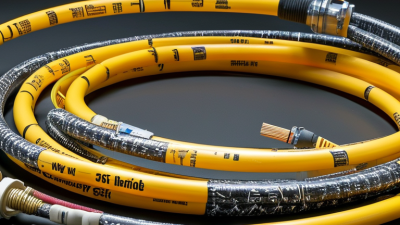
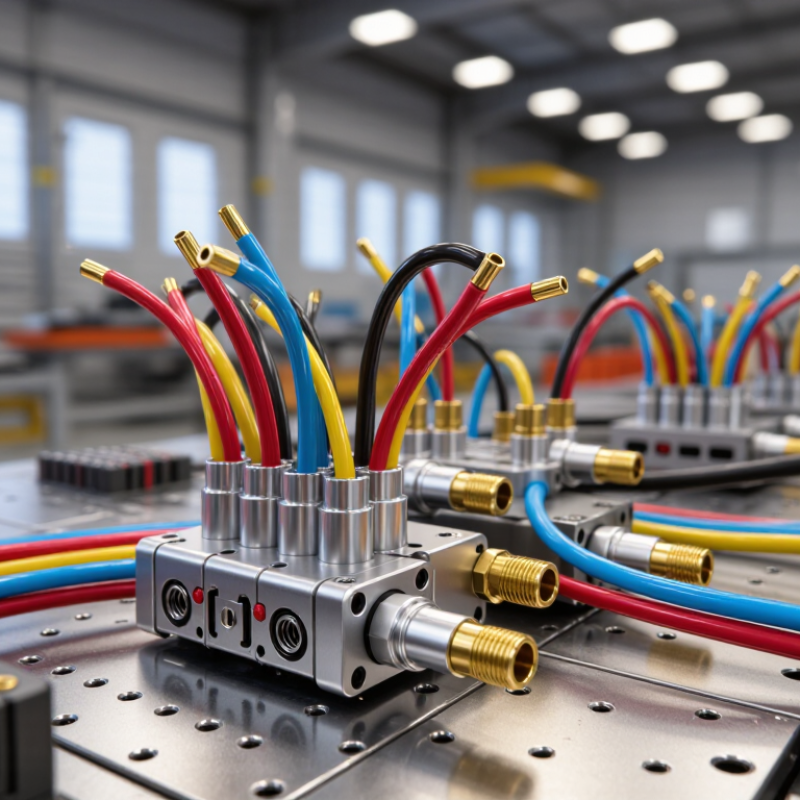
Wire assemblies are organized electrical pathways, not simply cables tied together. They usually include insulated wires, terminals, connectors, seals, labels, protective sleeving, clips, and sometimes shielding or fuse holders. Each part controls current flow, physical protection, and installation accuracy. A small connector mismatch can stop an entire machine.
Market Outlook
Fortune Business Insights valued the global automotive wiring harness market at about US$50 billion in 2023. Its report forecasts continued growth through 2032, driven by vehicle electronics and electrification. MarketsandMarkets also identifies rising demand for compact, high-density cable assemblies across industrial equipment. These figures vary because researchers define “wire harness” differently. That limitation matters to global buyers.
Practical Sourcing
In practical sourcing, buyers should request drawings, wire gauges, insulation materials, terminal plating, bend limits, and test requirements. The IPC/WHMA-A-620 standard provides widely recognized acceptance criteria for cable and wire harness assemblies. Visual checks are useful, but continuity, pull-force, insulation-resistance, and high-voltage tests reveal deeper faults. I have seen assemblies pass appearance checks while failing after repeated bending. Not every defect is visible.
A reliable specification should also state temperature range, flame rating, ingress protection, packaging, and traceability records. Salt spray and vibration may matter more than laboratory neatness. Suppliers should explain process controls, not only offer a low unit price. Mistakes happen. Buyers should leave room for design review and corrective action.
How Do Wire Assemblies Improve Product Performance and Safety?
Wire assemblies improve product performance by controlling how electricity, signals, and heat move through equipment. Each conductor receives the correct gauge, insulation, terminal, and routing path. This reduces voltage drop, signal interference, and accidental contact with moving parts.
The need is growing.
The IEA’s Global EV Outlook 2025 recorded more than 17 million electric car sales in 2024, exceeding one-fifth of global new-car sales. These vehicles require high-voltage cables, sealed connectors, and carefully separated signal circuits.
The U.S. Department of Energy’s 2024 Vehicle Technologies Market Report recorded more than 1.4 million electric vehicle sales in the United States during 2023. More electrical content means more opportunities for assembly errors.
Safety depends on small details.
Correct crimp height prevents loose terminals and local heating. Strain relief protects conductors when equipment vibrates or bends. Abrasion sleeves and grommets help prevent insulation damage near metal edges.
Testing under IPC/WHMA-A-620 practices can verify pull strength, continuity, polarity, and workmanship.
Small details matter. However, a tested assembly is not automatically reliable. Temperature cycling, moisture, chemical exposure, and installation mistakes can still cause failures.
Global buyers should review test records, traceability, material certificates, and field-return data. A low purchase price may hide weak terminals or inconsistent crimping.
That risk deserves more attention.
Why Are Custom Designs Important for Global Buyers?
Custom designs matter because global buyers rarely work with identical equipment. A medical monitor, warehouse robot, and agricultural sensor need different lengths, connectors, shielding, and bend limits. A 2024 industry market report valued the global wire harness sector above 80 billion dollars. It also linked growth to vehicle electrification, automation, and connected equipment. These applications demand fit, not merely low unit pricing.
In supplier reviews, I have seen a small design mismatch create large costs. A connector may face the wrong direction. A cable may rub against a metal edge after repeated movement. Custom drawings can reduce such risks by defining pin assignments, insulation, labels, testing points, and routing space. IPC/WHMA-A-620 remains a widely referenced workmanship standard for cable and wire harness assemblies. Still, compliance alone does not guarantee field performance. Installation conditions must be tested.
Tips:
Share the mating connector, operating temperature, current load, bend radius, and installation photos. Request first-article samples and continuity tests before full production. Ask for material certificates and change-control records. The 2023 Global Wiring Harness Market analysis reported that transportation and industrial applications remain major demand areas, but market estimates vary by scope. Buyers should check definitions carefully. One overlooked detail can defeat an otherwise excellent custom design.
What Should Global Buyers Consider When Choosing a Supplier?
Wire assemblies connect power, signals, and moving components inside many industrial products. For global buyers, supplier selection affects safety, production speed, and long-term maintenance. A low quotation may hide weak terminals, inconsistent crimping, or unstable materials.
Buyers should examine the supplier’s engineering process before comparing prices. Can the team interpret drawings, control tolerances, and recommend suitable insulation? Ask for sample records, pull-force tests, continuity checks, and material traceability. Request clear evidence, not broad promises. Fit matters. The supplier should also explain how it handles design changes, inspections, and production mistakes. No supplier is perfect. However, a reliable partner reports problems early instead of quietly shipping questionable assemblies.
Capacity and communication deserve equal attention. A supplier may produce excellent samples but struggle with urgent volume orders. Review equipment, workforce planning, lead times, packaging methods, and backup procedures. Confirm whether updates arrive in clear English and include measurable details. In my experience, small misunderstandings about connector orientation can delay an entire production line. That gap matters. Global buyers should also check applicable product requirements, factory documentation, and export paperwork for each destination. Pricing remains important, but it should be evaluated beside defect rates, replacement costs, and delivery reliability. A practical supplier welcomes technical questions and provides records that customers can independently review.